
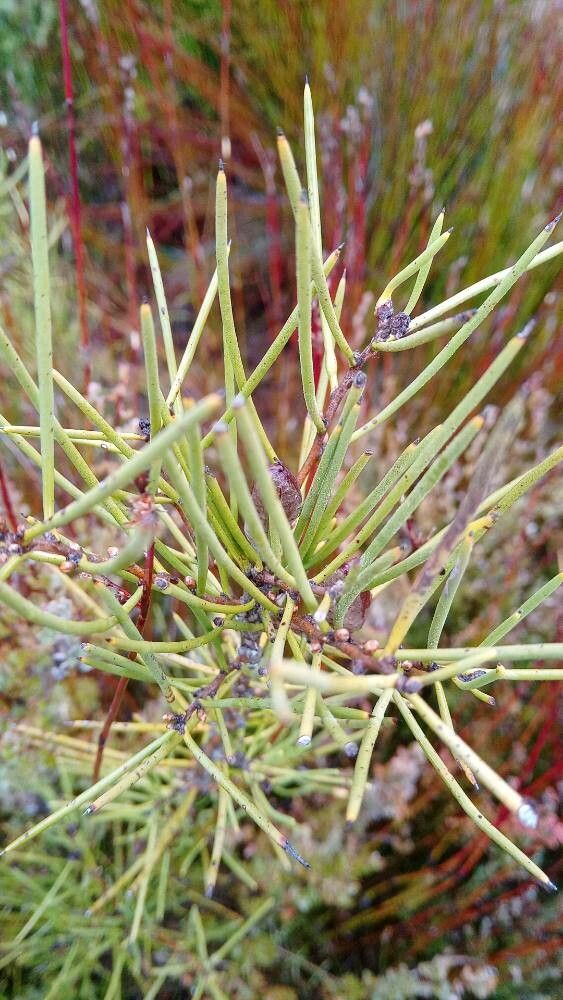
Propagating the Giant Pincushion Hakea (Hakea macrocarpa): A Gardener’s Guide
Introduction:
Hakea macrocarpa, commonly known as the Giant Pincushion Hakea, is a striking Australian native shrub renowned for its large, dramatic seed pods resembling pincushions. These woody pods, often exceeding 15cm in length, are highly prized for their ornamental value, adding a unique textural element to gardens and floral arrangements. The plant itself boasts attractive foliage and can grow into a substantial shrub, making it a popular choice among gardeners seeking drought-tolerant, low-maintenance landscaping options. However, its propagation presents unique challenges, demanding patience and a nuanced approach.
Seed Germination:
Seed germination is a viable method for propagating Hakea macrocarpa, though it presents several challenges. The hard seed coat requires scarification to allow water penetration and trigger germination. Several techniques can achieve this, including:
- Mechanical Scarification: Gently nicking or filing the seed coat with a sharp knife or file is effective. Avoid damaging the embryo.
- Acid Scarification: Soaking seeds in concentrated sulfuric acid for a short period (around 30 minutes, followed by thorough rinsing) can soften the seed coat. Caution: This method requires careful handling and appropriate safety measures.
- Hot Water Treatment: Soaking seeds in boiling water for a few minutes, then allowing them to cool gradually, can also be effective.
Practical Tips:
- Stratification: While not strictly necessary, a period of cold stratification (placing seeds in moist vermiculite or peat moss and refrigerating for 4-6 weeks) can improve germination rates.
- Sowing: Sow seeds at a depth of around twice their diameter in a well-draining seed-starting mix. Maintain consistent moisture but avoid overwatering.
- Germination Conditions: Germination typically occurs within several weeks to a few months, depending on the scarification method and stratification employed. A warm, bright location (but not direct sunlight) is ideal.
Rewards:
Successful germination offers the benefits of genetic diversity within your propagated plants and the potential for large-scale propagation, making it suitable for landscape projects or commercial nurseries.
Cuttings:
Currently, there are no known reliably successful methods for propagating Hakea macrocarpa from cuttings. While some anecdotal evidence exists, consistent results have proven elusive due to the difficulty in rooting cuttings from this species.
Division:
Division is not a feasible propagation method for Hakea macrocarpa. Its deep taproot system makes division impractical and highly likely to damage the plant.
Tissue Culture:
Tissue culture offers a promising avenue for propagating Hakea macrocarpa. However, establishing and maintaining a sterile tissue culture environment requires specialized equipment, expertise, and materials. This method is generally best suited to research facilities, nurseries with specialized capabilities, or advanced hobbyists. Success is dependent on optimizing media composition and growth conditions, which can necessitate significant experimentation.
Conclusion:
Propagating Hakea macrocarpa presents unique challenges across various methods. Seed germination, while possible with careful scarification and sowing techniques, demands patience and attention. Cuttings and division have not yielded reliable results, leaving seed germination and tissue culture as the most practical options though both with intrinsic difficulties. Tissue culture, while potentially efficient, demands significant expertise and resources.
Despite the hurdles, the reward of cultivating this stunning plant from seed or via tissue culture is immensely satisfying. The journey itself, from scarifying the tough seed coat to witnessing the emergence of a new seedling or the establishment of a tissue culture line, offers a profound connection to the plant’s life cycle. For those willing to persevere, the unique beauty and hardiness of the Giant Pincushion Hakea are a testament to the dedication required and a source of immense pride. Don’t let the challenges deter you; experiment, learn from setbacks, and enjoy the rewarding process of bringing this magnificent Australian native to life.