
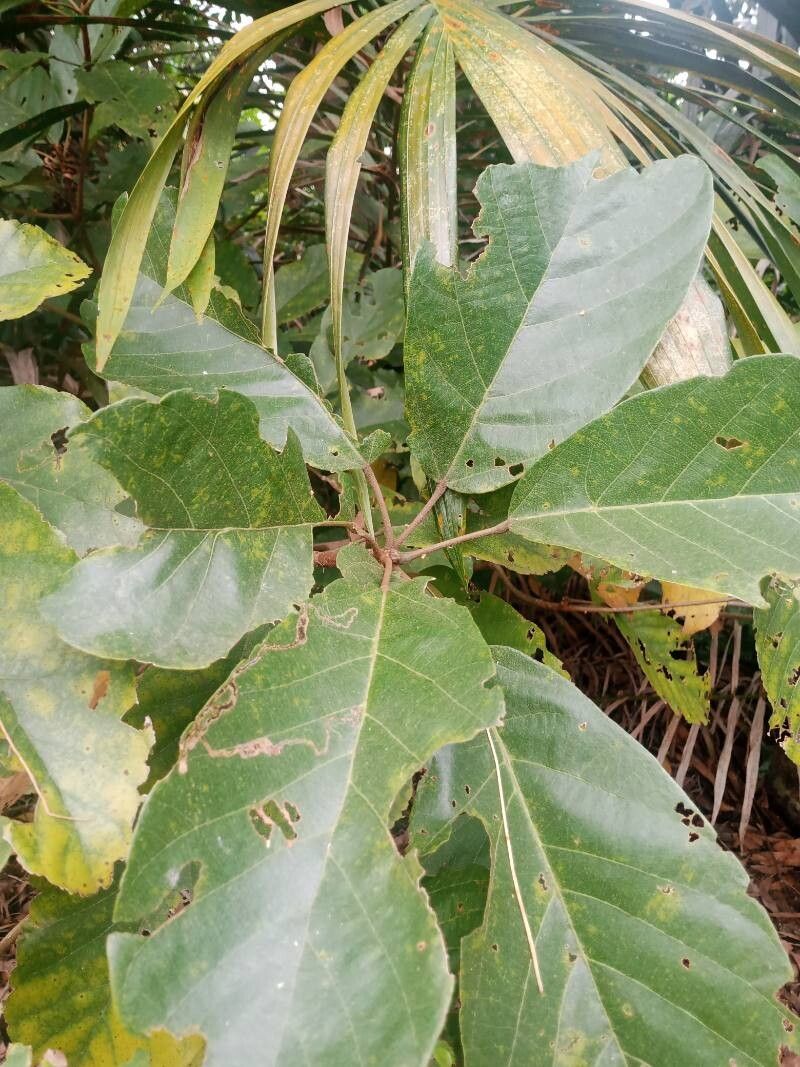
Propagating Sterculia tragacantha: A Gardener’s Guide to the Gum Tragacanth Tree
Introduction
Sterculia tragacantha, commonly known as the Gum Tragacanth tree, is a drought-resistant, thorny tree native to arid and semi-arid regions of Africa. Its distinctive silhouette, characterized by a gnarled, often crooked trunk and spreading branches, makes it a fascinating addition to xeriscape gardens and collections of drought-tolerant plants. Its resilience and unique appearance have earned it a growing popularity among gardeners intrigued by the challenges of cultivating unusual species. However, propagating this particular tree presents unique hurdles, underscoring the rewarding nature of successful cultivation.
Seed Germination
Currently, there are no known reliable methods for seed germination propagation of Sterculia tragacantha. While seeds may be produced, their viability is notoriously low, and germination rates are extremely poor, even under optimal conditions. Further research into specific germination requirements, such as scarification techniques or hormone treatments, is needed before seed propagation can be considered a viable method.
Cuttings
Propagating Sterculia tragacantha via cuttings presents moderate challenges.
Challenges: Hardwood cuttings are more likely to succeed than softwood cuttings, but rooting is notoriously slow and inconsistent. The success rate is highly dependent on environmental factors, including humidity levels, temperature, and the use of rooting hormones. The woody nature of the stems also makes them prone to fungal infections.
Practical Tips: Use semi-hardwood cuttings taken from new growth in late spring or early summer. Treat the cuttings with a rooting hormone before planting them in a well-draining mix of perlite and vermiculite, maintaining high humidity. A mist propagation system is highly recommended. Patience is crucial; rooting can take several months.
Rewards: Successful rooting of cuttings results in genetically identical clones of the mother plant, preserving desirable traits.
Division
Division as a propagation method for Sterculia tragacantha is not feasible. The tree possesses a deep taproot system, making the separation and transplanting of divisions highly impractical and likely fatal to the plant.
Tissue Culture
Tissue culture offers the potential for reliable large-scale propagation of Sterculia tragacantha, bypassing the limitations of seed and cutting methods.
Challenges: Establishing aseptic techniques and identifying optimal growth media and hormone concentrations for Sterculia tragacantha will require significant expertise and experimentation. This method requires specialized equipment and laboratory facilities, making it generally inaccessible to the home gardener.
Practical Tips: Successful tissue culture relies on sterile techniques, suitable nutrient media tailored to the species, and careful manipulation of environmental factors such as light intensity and temperature.
Rewards: Tissue culture offers a means of producing numerous genetically identical plants rapidly, and potentially overcoming the poor germination rate and low cutting success.
Conclusion
Propagating Sterculia tragacantha presents unique challenges due to the species’ low seed viability and difficulties associated with rooting cuttings. While division is not a practical option, tissue culture offers the most promising path toward large-scale propagation, although it requires specialist knowledge and facilities. The rewards, however, are substantial: the opportunity to cultivate this beautiful and resilient tree, expanding its presence in landscapes and preserving its genetic material. The very difficulties involved underscore the sense of accomplishment derived from successfully growing Sterculia tragacantha, making the journey as enriching as the destination. For those willing to invest the time, patience, and potentially some specialized resources, the unique satisfaction of cultivating this remarkable tree is a truly rewarding experience. Remember to consult with local botanical gardens or nurseries for species-specific advice and support.