
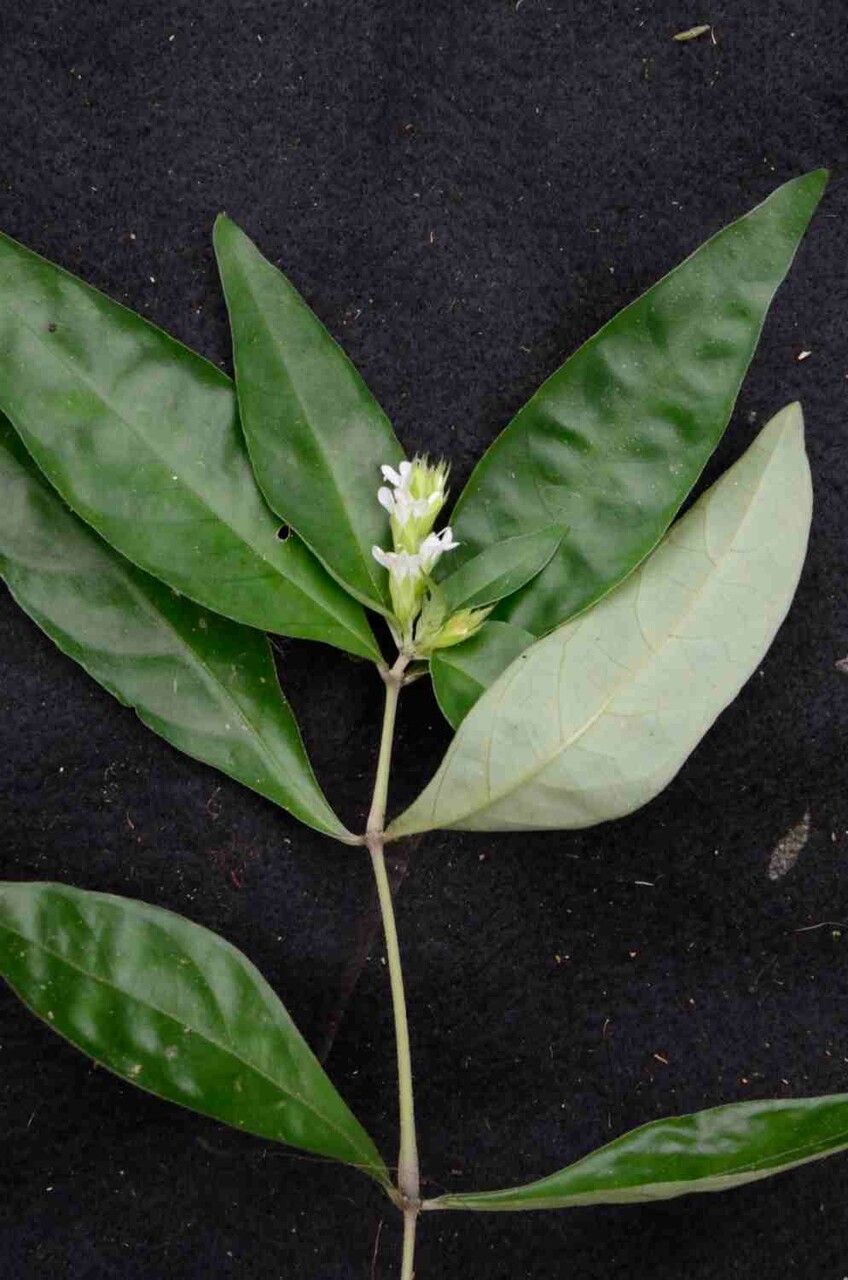
Propagating Staurogyne Alba: A Guide to Growing the ‘Monte Carlo’ Carpet
Staurogyne alba, commonly known as Monte Carlo carpet, is a popular aquatic plant prized for its lush, fine-leaved carpet-forming habit. Its vibrant green color and fast growth make it a favorite among aquascapers and planted tank enthusiasts. However, its propagation isn’t always straightforward, presenting unique challenges and rewards for the dedicated cultivator. Unlike many readily propagated plants, Staurogyne alba requires specific techniques to ensure success.
Seed Germination:
Currently, there are no known reliable methods for seed germination propagation of Staurogyne alba. While the plant does produce seeds, germination rates are exceptionally low, if any exist at all, under typical horticultural conditions. Further research into specific germination requirements might be necessary to unlock this propagation method.
Cuttings:
This is the most common and reliable method for propagating Staurogyne alba.
Challenges: Cuttings can be slow to root, and if not handled carefully, they are susceptible to rot. Using overly-mature stems reduces success rates.
Practical Tips: Take cuttings from healthy, actively growing stems, selecting those approximately 2-4 inches long. Remove the lower leaves to prevent rot during rooting. Plant the cuttings in a nutrient-rich substrate, such as aquarium substrate or a well-draining soil mix. High humidity and consistent but not excessive moisture are essential. Consider using a rooting hormone to increase the success rate. Maintaining a water temperature around 75-80°F (24-27°C) is crucial, particularly for aquatic propagation.
Rewards: Relatively simple technique compared to tissue culture and offers a good success rate once mastered, allowing gardeners to create several new plants from a mother plant.
Division:
This method, like cuttings, is viable for Staurogyne alba.
Challenges: Division requires a mature, well-established plant. Dividing the plant too aggressively can damage the roots and impede growth of both parent and offshoots.
Practical Tips: Carefully remove the plant from its pot or substrate. Gently separate the plant into smaller clumps, ensuring each division possesses a healthy root system and sufficient shoots. Replant the divisions in fresh substrate, ensuring adequate spacing for growth. Avoid disturbing the roots too much.
Rewards: A quicker method than cuttings if one already has a large, healthy plant. allows for a rapid expansion of your stock.
Tissue Culture:
This is a more advanced method, requiring specialized equipment and sterile techniques.
Challenges: Tissue culture requires a significant upfront investment in equipment and materials, as well as a thorough understanding of sterile techniques to prevent contamination. It’s a more complex and time-consuming method demanding precision and expertise.
Practical Tips: Sterile conditions are paramount. Explant suitable shoot tips from healthy plants onto a suitable growth medium with plant hormones. Maintain strict sterile procedures throughout the process. Monitoring and adjusting environmental parameters (light, temperature, humidity) are critical to success.
Rewards: Allows for large-scale propagation and the production of disease-free plants. Offers genetic uniformity, which is valuable for maintaining specific traits.
Conclusion:
Propagating Staurogyne alba presents unique challenges, but the rewards are worth the effort. While seed germination remains unproven, cuttings and division offer reliable pathways for successful propagation, with tissue culture providing a pathway for large-scale production for commercial growers. Understanding the specific requirements for each method is crucial, especially the importance of maintaining consistently moist conditions and preventing rot in cuttings. The satisfaction of nurturing a small cutting into a thriving, lush carpet is a testament to the patience and skill of the cultivator, making the journey as rewarding as the final result. Don’t be discouraged by initial setbacks; learn from each attempt, adapt your technique, and you’ll eventually master the art of propagating this captivating plant.