
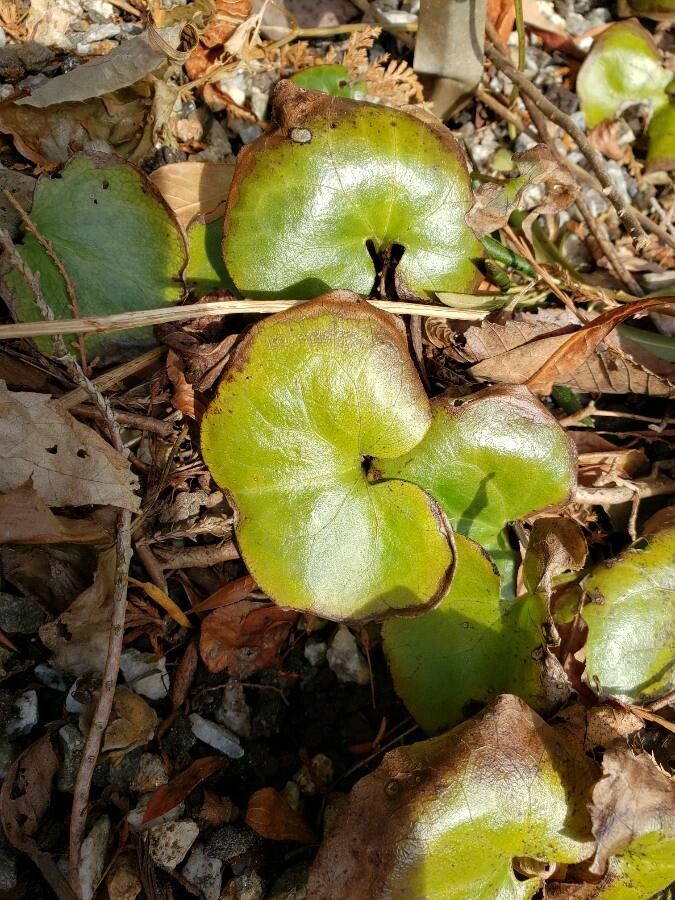
Cymbalaria: From Tiny Seed to Lush Groundcover – A Guide to Propagation
Cymbalaria, often called “Kenilworth Ivy” or “Colombine Ivy,” is a charming groundcover with delicate, heart-shaped leaves and dainty, snapdragon-like flowers. Its cascading habit and ability to thrive in shady conditions make it a perfect choice for adding texture and color to gardens, rockeries, and even hanging baskets. But did you know you can easily propagate Cymbalaria, creating more of this beautiful plant from your existing stock?
Methods of Propagation:
Cymbalaria can be propagated through two main methods:
1. Seed Propagation:
While Cymbalaria readily spreads by seed, it can be a bit slow. To start from seed, follow these steps:
- Collect Seeds: Mature seed pods will appear after flowering, turning from green to brown. Carefully gather the pods and allow them to fully dry in a paper bag. Once dry, shake out the tiny seeds.
- Sowing: Sow seeds in a seed tray or pot filled with a well-draining seed-starting mix. Lightly press the seeds into the soil but do not cover them as they need light to germinate.
- Watering: Keep the soil consistently moist but not soggy. Cover the tray with a plastic dome or wrap to retain moisture.
- Germination: Expect germination to take 2-4 weeks at room temperature (around 70°F).
- Transplanting: Once seedlings develop a few true leaves, gently transplant them into individual pots or directly outdoors in their chosen location.
2. Cuttings:
This method is much faster and easier than starting from seed. Here’s how to propagate Cymbalaria from cuttings:
- Take Cuttings: Choose healthy, non-flowering stems from a mature plant. Cut a 3-4 inch section just below a leaf node.
- Prepare Cuttings: Remove the lower leaves from the stem, leaving the top two or three leaves intact. Dip the cut end of the stem into a rooting hormone powder or gel for optimum results.
- Planting: Insert the cuttings into a pot filled with well-draining potting mix. Lightly firm the soil around the base of each cutting.
- Humidity and Lighting: Cover the pot with a clear plastic dome or bag to create a warm, humid environment. Place the pot in a bright, indirect light location.
- Rooting Time: Rooting typically takes 3-4 weeks. Once roots develop, you can gradually acclimate the cuttings to outdoor conditions.
- Transplant: Once well-rooted, you can carefully transplant them to their permanent location, ensuring adequate drainage.
Tips for Success:
- Timing is key: Spring and early summer are ideal times for propagating Cymbalaria as the plant is actively growing.
- Clean tools: Always use clean, sharp tools to prevent disease transmission.
- Proper watering: Water consistently but avoid overwatering, especially when propagating from cuttings.
- Patience: Be patient as it takes time for new plants to develop.
With a bit of effort and attention, you can easily create new Cymbalaria plants from your existing stock. Enjoy the satisfaction of watching these delightful groundcovers spread and add a touch of magic to your garden!