
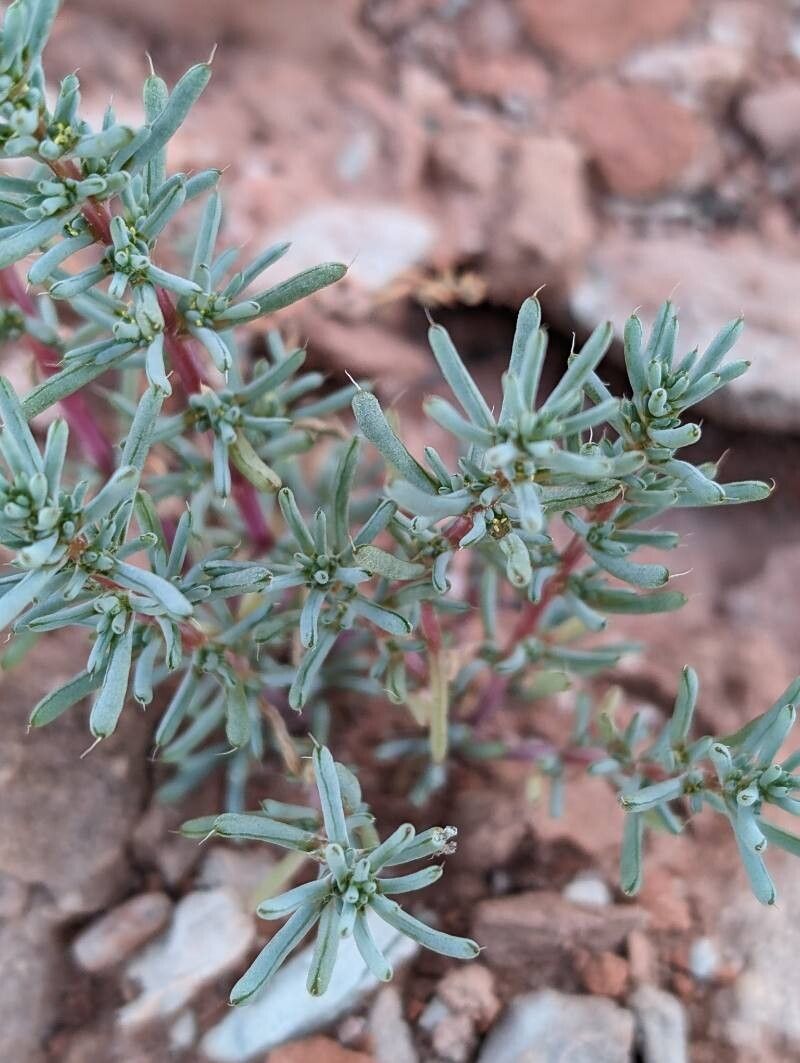
Taming the Tumbleweed: A Guide to Propagating Halogeton glomeratus
You might know it as saltlover, but chances are you’ve encountered Halogeton glomeratus in its more iconic form: tumbling tumbleweed across deserted landscapes. This hardy plant, with its fleshy leaves and spiky, reddish fruits, is more than just a symbol of the American West – it’s a fascinating species with a surprisingly accessible propagation story.
Why Propagate Halogeton?
Before you rush out to cultivate this desert dweller, it’s important to understand why someone might choose to propagate it. While not a traditional garden plant, Halogeton glomeratus has its uses:
- Ecological Restoration: In disturbed areas, particularly those affected by salinity, this plant can act as a pioneer species, helping to stabilize the soil and pave the way for other plants.
- Forage: Halogeton glomeratus can serve as emergency forage for livestock, though it’s crucial to manage grazing due to the plant’s oxalate content, which can be toxic in large quantities.
- Scientific Study: Researchers study this plant’s remarkable adaptations to harsh environments, including drought and salinity tolerance.
Propagation Methods: Seeds of Success
The primary method of propagating Halogeton glomeratus is through seeds, and luckily, this plant is a prolific seed producer. Here’s how to do it:
- Seed Collection: The best time to collect seeds is in the late summer or early fall when the spiky fruits turn a reddish-brown. Each fruit contains numerous tiny black seeds.
- Seed Preparation: No need for fancy treatments! Halogeton seeds don’t require stratification or any special pre-sowing care.
- Sowing: Scatter seeds on the surface of well-draining soil – a sandy loam mixture is ideal – and lightly press them in. Remember, these are desert plants, so don’t bury them too deep.
- Watering: Water lightly after sowing, but be careful not to overwater. These seeds are adapted to arid environments and are susceptible to rot in overly moist conditions.
- Sunlight and Temperature: Place the seedlings in a sunny location. Halogeton glomeratus thrives in full sun and warm temperatures.
Out in the Open:
For those looking to introduce Halogeton glomeratus to a larger area, direct sowing is the simplest approach. Scatter seeds on prepared ground in the fall, allowing them to benefit from winter moisture.
Words of Caution:
While Halogeton glomeratus is relatively easy to propagate, it’s crucial to consider its potential invasiveness. This species can quickly colonize disturbed areas, outcompeting native vegetation. Before introducing this plant, research its impact on your local ecosystem and consult local regulations.
Bringing the Desert Home:
Propagating Halogeton glomeratus might seem like an unusual gardening goal, but for those seeking to restore disturbed landscapes, study this fascinating plant, or simply marvel at its resilience, cultivating this desert dweller can be a rewarding experience. Remember to proceed with caution, be mindful of its invasive potential, and admire the tenacity of this tumbleweed wanderer.