
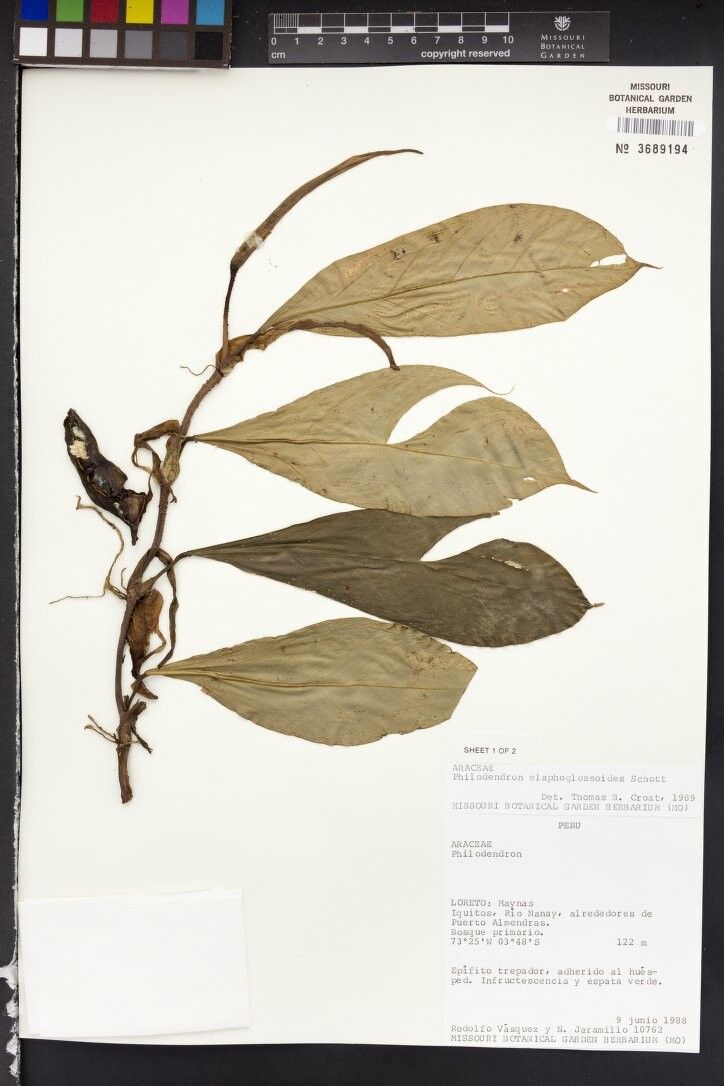
Unlocking the Secrets of the Velvet Philodendron: A Guide to Propagating Philodendron Elaphoglossoides
The Philodendron Elaphoglossoides, with its velvety, emerald-green leaves and intriguing vein patterns, has captivated the hearts of plant lovers everywhere. This rare beauty, however, can be a bit elusive. But fear not, fellow plant enthusiasts, because propagating your own “Elapho” is a rewarding experience well within reach.
Understanding the Basics
Before diving into the specifics, let’s understand how propagation works. Essentially, you’re creating a new plant from a piece of the parent plant. With Philodendron Elaphoglossoides, the most effective methods are stem cuttings and air layering.
1. Propagation via Stem Cuttings
This method involves taking a section of the stem and encouraging it to grow roots. It’s relatively straightforward and boasts a high success rate.
What You’ll Need:
- Sharp, sterilized shears or knife: It’s crucial to use clean tools to prevent infections.
- Rooting hormone (optional): While not essential, it accelerates root development.
- Growing medium: Choose a well-draining mix like sphagnum moss, perlite, or a combination of both.
- Container: Use a small pot or propagation tray with drainage holes.
Step-by-Step Guide:
- Select a healthy stem: Choose a stem with at least two nodes (small bumps where leaves emerge).
- Make the cut: Cut just below a node at a 45-degree angle.
- Prepare the cutting: Remove any leaves from the bottom node to prevent rot.
- Apply rooting hormone (optional): Dip the cut end in the hormone powder.
- Plant the cutting: Insert the cutting into the chosen medium, ensuring the node is buried.
- Water thoroughly: Keep the medium consistently moist but not soggy.
- Provide warmth and humidity: Place the pot in a warm, bright spot, out of direct sunlight. A humidity dome or plastic bag can help maintain moisture.
2. Propagation via Air Layering
This method encourages root development on the stem while it’s still attached to the parent plant. It’s slightly more advanced but ideal for larger, more mature plants.
What You’ll Need:
- Sphagnum moss: Soak it in water before use.
- Plastic wrap or a similar material: Choose one that’s clear to monitor root growth.
- String or twist ties
Step-by-Step Guide:
- Choose a healthy stem: Select a mature stem you want to propagate.
- Make an incision: Carefully create a shallow cut about 1-2 inches long around the stem, just below a node.
- Apply rooting hormone (optional): Dust the wounded area with rooting hormone to encourage faster root development.
- Wrap the wound: Encircle the incision with damp sphagnum moss, forming a ball around the wounded area.
- Securely wrap with plastic: Cover the moss completely with plastic wrap and secure it tightly above and below the wound with string or twist ties.
- Monitor for root growth: Check the moss regularly for moisture and root development, which can take several weeks.
- Separate the new plant: Once you see a healthy network of roots through the plastic, carefully cut the stem below the moss ball and pot your new “Elapho.”
Patience is Key
Regardless of the method, propagating Philodendron Elaphoglossoides requires patience. It can take anywhere from a few weeks to a couple of months for roots to establish. Don’t be disheartened if you don’t see results immediately.
A Rewarding Endeavor
Mastering the art of propagation opens a world of possibilities. You can expand your plant family, share the joy of this rare beauty with others, and cultivate a deeper connection with the fascinating world of plants. So, go forth, propagate, and watch your “Elapho” collection flourish!