
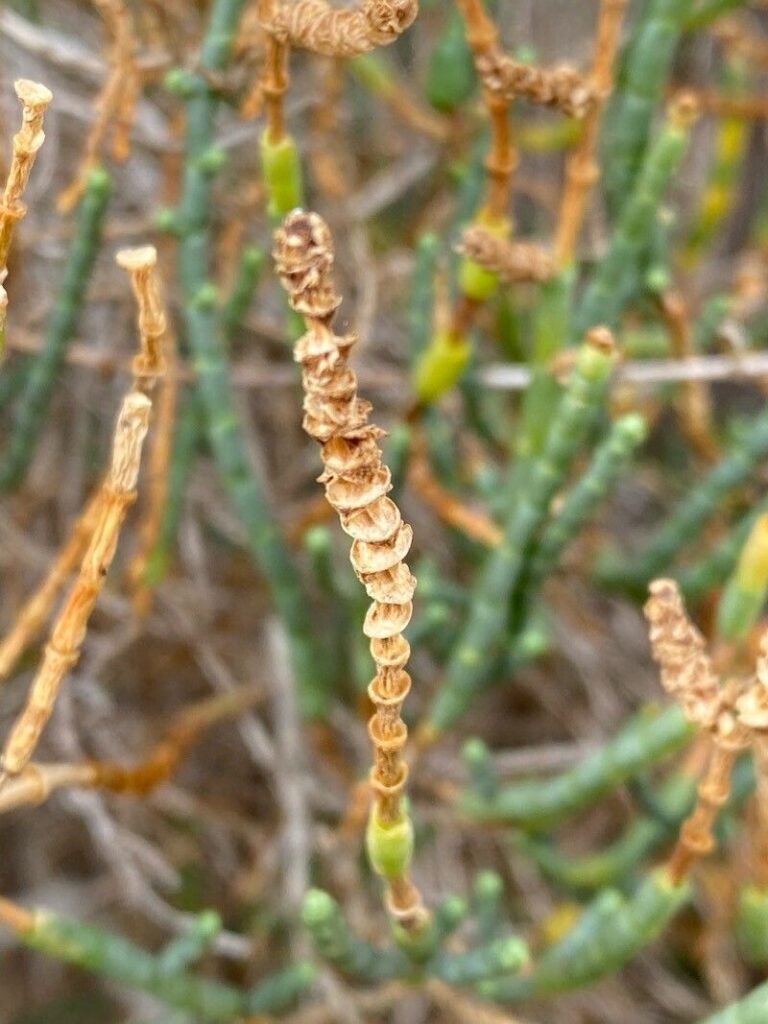
Taming the Desert Giant: Propagation Techniques for Haloxylon Persicum
The Haloxylon persicum, also known as the white saxaul or simply saxaul, stands as a testament to nature’s resilience. This remarkable tree, native to the deserts of Central Asia, not only survives but thrives in harsh, arid environments, playing a vital role in stabilizing sand dunes and providing sustenance for both humans and animals.
If you’re interested in growing this ecological and cultural icon, understanding its unique propagation needs is essential. Let’s delve into the world of Haloxylon persicum propagation:
Seed Propagation: Conquering Dormancy
The most common method of propagating Haloxylon persicum is through seeds, although it comes with its own set of challenges. The seeds have a naturally occurring dormancy, a clever adaptation to prevent germination during unsuitable conditions in the unpredictable desert climate. To break this dormancy and increase germination rates, follow these steps:
- Seed Collection and Preparation: Collect mature seeds from healthy trees during the late summer or early fall. Once collected, gently remove the wing-like structures from the seeds to enhance water absorption during germination.
- Scarification Techniques: To further encourage germination, scarification is recommended. This can be done by gently rubbing the seed coat with sandpaper or by soaking the seeds in concentrated sulfuric acid for a short period (5-10 minutes) followed by thorough rinsing.
- Sowing the Seeds: Sow the treated seeds in a well-draining potting mix, about 1 cm deep. Water lightly but consistently, ensuring the soil doesn’t become waterlogged.
- Patience is Key: While some seeds may germinate within a few weeks, others can take several months. Be patient and continue to provide the seedlings with adequate light and moisture.
Vegetative Propagation: A Challenging Alternative
While seed propagation is the most common method, Haloxylon persicum can also be propagated through vegetative means, although this method is less reliable and requires specific conditions:
- Root Cuttings: In early spring, take root cuttings from healthy, mature trees. Plant these cuttings in a well-draining medium and keep them consistently moist.
- Grafting: This technique involves fusing a cutting from a desired Haloxylon persicum variety onto the rootstock of a compatible species. While grafting can be more complex, it can yield faster growth and preserve specific traits of the parent plant.
Challenges and Considerations
Growing Haloxylon persicum is not without its challenges. Be aware of these factors:
- Slow Growth: Haloxylon persicum is known for its slow growth rate. It can take several years for seedlings to establish themselves.
- Specific Soil Requirements: These trees prefer sandy, well-drained soils and are sensitive to waterlogging.
- Environmental Factors: Mimicking the hot, dry conditions of their native habitat is crucial for successful propagation.
The Rewards of Growing a Desert Guardian
Despite the challenges, successfully propagating Haloxylon persicum is a rewarding experience. You’ll not only be adding a unique and beautiful tree to your landscape but also contributing to the preservation of a vital desert species. Whether through seed or vegetative propagation, your efforts will help protect and expand the reach of this incredible desert survivor.