
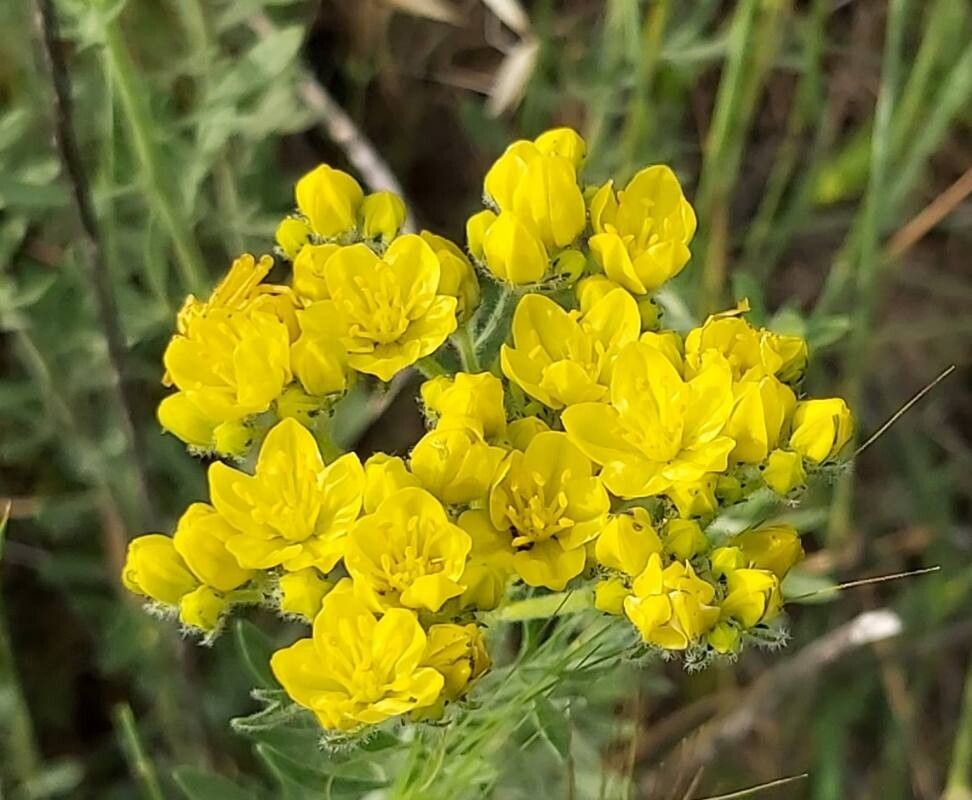
Unlocking the Secrets of Propagation: Growing Your Own Haplophyllum suaveolens
Haplophyllum suaveolens, with its fragrant leaves and elegant foliage, is a beautiful addition to any garden. But for many, the thought of acquiring this unique plant might seem daunting. Fear not! Propagation, the art of creating new plants from existing ones, offers a rewarding way to expand your collection of this stunning herb.
Understanding the Basics
Haplophyllum suaveolens can be propagated through two primary methods: seed propagation and cutting propagation. Each method has its own nuances and challenges.
1. Seed Propagation: A Journey from Seed to Sprout
- Collecting Seeds: The journey begins with collecting mature seeds from your existing Haplophyllum suaveolens plant. Look for seed pods that have turned brown and dry, then carefully extract the seeds.
- Preparing the Soil: A well-draining seed starting mix is crucial for successful germination. Mix equal parts of potting soil, vermiculite, and perlite for optimal results.
- Sowing the Seeds: Sow the seeds in trays or pots filled with the prepared mix, burying them lightly. Keep the soil consistently moist but not waterlogged.
- Patience is Key: Germination can take several weeks, even months, in some cases. Patience is key! Provide ample sunlight and warmth, and your seeds will eventually sprout.
2. Cutting Propagation: A Speedy Path to New Plants
- Selecting Cuttings: Take softwood cuttings in the spring or early summer, selecting healthy shoots with a minimum of 4-6 nodes.
- Preparing the Cuttings: Make a clean cut just below a node, removing any leaves from the lower portion of the cutting.
- Encouraging Root Development: Dip the cut end of the cutting in rooting hormone powder and then plant it in a mix of equal parts perlite and vermiculite. Cover the pot with a plastic bag or humidity dome to maintain a moist environment.
- Monitoring Progress: Place the cuttings in bright, indirect light and check moisture levels regularly. Roots typically develop within 4-6 weeks.
Choosing the Right Method for You
Seed propagation is often more readily available, allowing you to try various cultivars. However, it’s a longer process and requires more patience. Cutting propagation, on the other hand, provides faster results and often guarantees a genetic match to the parent plant.
Tips for Success
- Water Wisely: Both methods require consistent moisture. Allow the soil to dry slightly between watering to avoid root rot.
- Provide Adequate Light: Haplophyllum suaveolens thrives in full sun to partial shade. Make sure your plants receive at least 6 hours of direct sunlight daily.
- Fertilize Regularly: A balanced liquid fertilizer can be applied every 2-4 weeks to promote healthy growth.
- Protect from Pests: Keep an eye out for common pests like aphids or whiteflies and address any infestations promptly.
Enjoy the Rewards
Propagation is a rewarding and satisfying experience. By mastering these techniques, you can expand your collection of Haplophyllum suaveolens and enjoy the beauty of this unique plant for years to come. Remember, every successful propagation is a testament to your dedication and care for your plants. Let your green thumb flourish!