
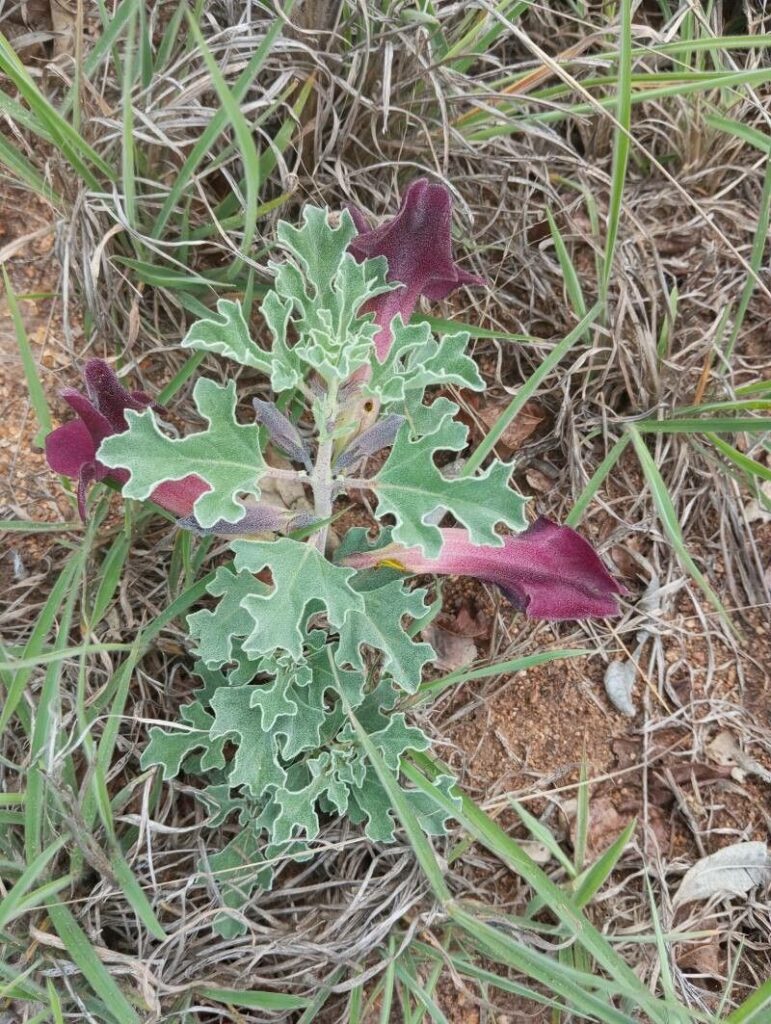
Devil’s Claw: More Than Just a Root, It’s a Success Story in Propagation
The Devil’s Claw, or Harpagophytum procumbens, is a fascinating plant known for its unique, spiky fruits and its powerful medicinal properties. But did you know the Devil’s Claw is also a fascinating subject when it comes to propagation?
This desert dwelling tuberous plant, native to Southern Africa, holds a secret: its propagation doesn’t follow the typical seed-based methods you might expect. This blog post takes a deep dive into the world of Devil’s Claw propagation, exploring the challenges and successful strategies for bringing this valuable plant to life.
Challenges in Propagation:
- Seed Germination: The Devil’s Claw is notorious for its low germination rate, often taking months to sprout, and facing a high risk of failure. The seeds require specific conditions including light, temperature, and depth of planting to germinate successfully.
- Slow Growth: While the plant can live for decades, its early growth is incredibly slow. This presents a challenge to patience and resources for those looking to cultivate Devil’s Claw.
Methods of Propagation:
- Seed Propagation: While seed propagation is possible, it is often considered more challenging. Soak the seeds in warm water for 24 hours before sowing them in a well-drained, sandy mix. Place the pots in a warm, sunny location, and be prepared for patience.
- Tuber Division: The most common and successful method for propagating Devil’s Claw is through tuber division. This involves gently separating a portion of the main tuber containing a bud or “eye.” The chosen piece is then allowed to callus over for a few days before being planted directly into a pot filled with loose, well-draining soil.
- Tissue culture: This highly specialized method allows for the propagation of Devil’s Claw in a controlled environment. Tissue culture utilizes small fragments of the plant, grown in sterile media, rapidly producing new plantlets. This method offers higher success rates and allows for larger-scale production.
Tips for Success:
- Choose the Right Time: Tuber division is best done in spring after the plant has finished its active growing season. Seeds are best sown in spring or summer to ensure the young plants have enough light and warmth.
- Optimise Conditions: Devil’s Claw thrives in sunny, well-drained soil, mimicking its natural desert habitat. Avoid overwatering, as this can lead to root rot.
- Be Patient: As mentioned, patience is key for successful Devil’s Claw propagation. It may take several weeks for the tuber division to sprout and several months for the seedlings to reach maturity.
Beyond the Garden:
While captivating to cultivate, Devil’s Claw is known for its remarkable medicinal benefits. Its roots are employed for their anti-inflammatory properties, often used to treat ailments like arthritis, back pain, and muscle strains.
Devil’s Claw: Cultivating More Than Just a Plant
Propagating Devil’s Claw is a testament to nature’s resilience and the magic of patient cultivation. Whether through the thrill of seed germination or the practicality of tuber division, this journey offers a unique perspective on a plant that’s as captivating as its name suggests. The next time you see a Devil’s Claw plant, remember that every single one of these tenacious plants, from the smallest sprout to the most mature specimen, is a story of dedicated propagation and resilience.