
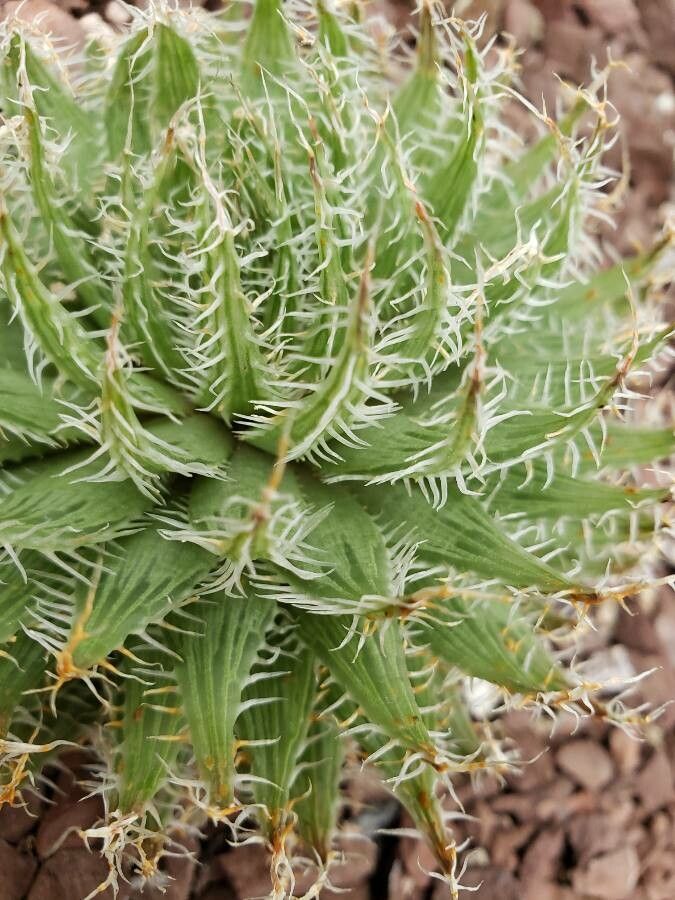
Unveiling the Secrets of Haworthia decipiens Propagation: A Beginner’s Guide
Haworthia decipiens, with its charming rosettes of fleshy, patterned leaves, is a succulent treasure coveted by many plant enthusiasts. This slow-growing wonder, native to South Africa, is a joy to cultivate, and the satisfaction of propagating your own “decipiens babies” is truly rewarding. In this guide, we’ll delve into the world of Haworthia decipiens propagation, equipping you with the knowledge and confidence to expand your succulent collection.
Two Paths to Propagation:
While Haworthia decipiens can be grown from seed, the process is notoriously slow and requires patience worthy of, well, a succulent enthusiast. For quicker and more reliable results, focusing on vegetative propagation methods is your best bet. We’ll be exploring two popular techniques:
1. Offsets (Pups):
These miniature replicas of the mother plant often sprout around its base. Propagating from offsets ensures a genetically identical clone and is the most straightforward method. Here’s a step-by-step guide:
- Timing: Spring and early summer are ideal, coinciding with the plant’s active growing season.
- Materials: A sharp, clean knife or pair of scissors, succulent or cactus potting mix, small pots (2-3 inches), and optional rooting hormone.
- Process:
- Choose an offset that’s at least an inch in diameter and has visible roots.
- Gently wiggle the offset free from the mother plant, ensuring you retain as much of its root system as possible.
- Allow the offset to callous over for a day or two in a shaded, dry location. This prevents rot.
- Fill your pots with well-draining succulent mix and plant the offsets, burying the roots but keeping the rosette above the soil.
- Water sparingly until established, allowing the soil to dry completely between waterings.
2. Leaf Cuttings:
Though slightly trickier than offsets, leaf cuttings offer another viable propagation method for Haworthia decipiens. Here’s how to do it:
- Timing: Similar to offsets, spring and early summer yield the best results.
- Materials: Same as above, with the addition of a clean, sharp razor blade.
- Process:
- Select a healthy, plump leaf from the mother plant.
- Using the razor blade, make a clean cut at the base of the leaf, ensuring you get the entire leaf and a tiny piece of the stem.
- Allow the leaf to callous for a few days in a dry, shaded area.
- Once calloused, lay the leaf on top of well-draining succulent mix (do not bury).
- Mist the soil lightly every few days, keeping it barely moist.
- Over several weeks, you’ll notice tiny roots and eventually, a new rosette forming at the base of the leaf.
- Once the new plant is established with a good root system, you can pot it up like you would an offset.
Patience is Key:
Regardless of your chosen propagation method, remember that patience is essential. Haworthia decipiens is a slow grower, and it may take weeks or even months for roots and new growth to emerge. Avoid overwatering, provide bright, indirect light, and let nature take its course.
Propagating your Haworthia decipiens is a gratifying experience that allows you to multiply your collection and appreciate the resilience of this fascinating plant. So, grab your gardening tools and embark on this exciting journey – you might be surprised by just how green your thumb can be!