
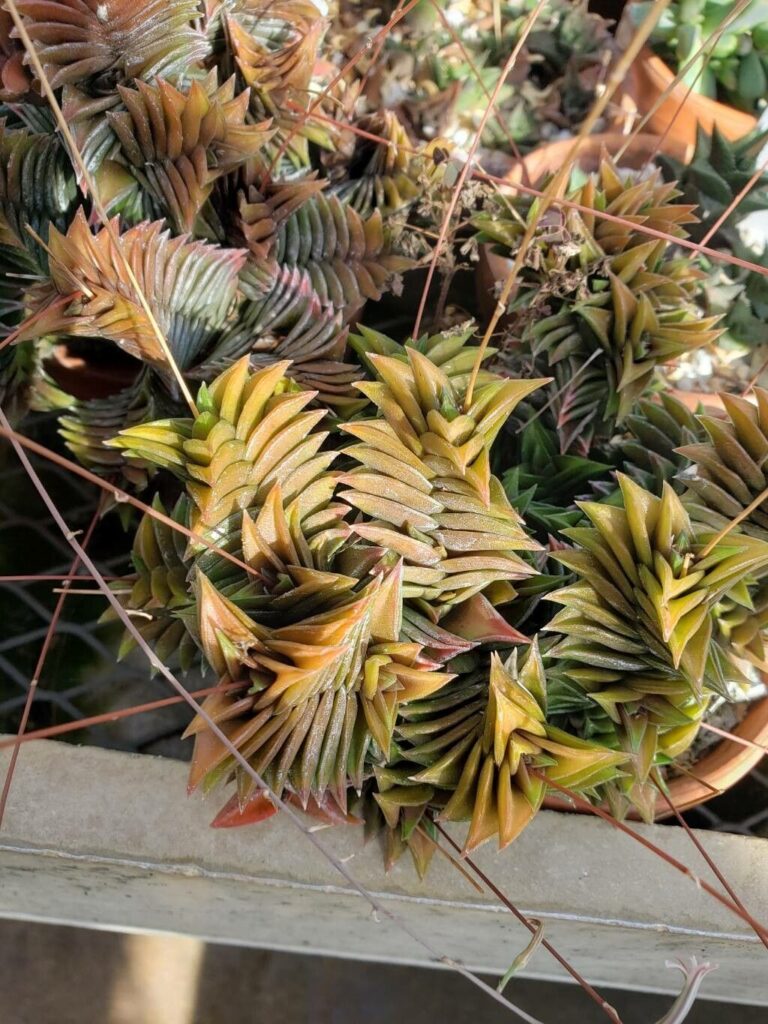
Multiply Your Mini Aloe: A Guide to Propagating Haworthiopsis Viscosa
The succulent world is vast and captivating, filled with fascinating shapes and textures. Among the crowd-pleasing favorites is the Haworthiopsis viscosa, sometimes fondly called the “Mini Aloe” for its resemblance to its larger cousin. Intrigued by its spiky charm? Good news! This hardy succulent is remarkably easy to propagate, allowing you to expand your collection or share the joy with fellow plant enthusiasts.
Why Propagate?
Propagation, the art of creating new plants from existing ones, is a rewarding practice. With Haworthiopsis viscosa, it’s particularly enticing because:
- It’s an economical way to grow your collection. Why buy new plants when you can create them from your existing beauty?
- You can share the plant love. Gift cuttings to friends or start a plant swap with other succulent enthusiasts.
- It helps rejuvenate older plants. Propagation offers a chance to give your mature plant a fresh start.
Methods for Success:
Haworthiopsis viscosa offers two primary methods for successful propagation:
1. Offsets (Pups):
The most common and arguably easiest method involves the offshoots or “pups” that emerge around the base of the mother plant. These miniature replicas develop their own root systems over time.
- When: Spring or early summer, during the plant’s active growing season.
- How: Carefully remove the pup from the mother plant using a clean, sharp knife or pair of scissors. Ensure you collect the pup with its roots intact. Let the cut end of the pup callous over for a day or two before planting.
- Planting: Place the pup on well-draining succulent or cactus potting mix, burying the roots gently. Water sparingly and provide bright, indirect light.
2. Leaf Cuttings:
While slightly trickier, leaf propagation can be equally successful.
- When: Like offsets, spring or early summer offers the best success rate.
- How: Select healthy, plump leaves from the mother plant. Using a clean, sharp knife, slice the leaf as close to the stem as possible, ensuring a clean cut. Let the leaf callous completely for several days to prevent rot.
- Planting: You have two options:
- Lay the leaf flat on a bed of well-draining soil, slightly burying the cut end. Mist lightly every few days.
- Insert the cut end of the leaf into the soil, providing support with toothpicks if needed. Water sparingly and maintain a humid environment.
Caring for New Propagations:
- Light: Provide bright, indirect light, avoiding harsh, direct sunlight.
- Water: Water sparingly, allowing the soil to dry out completely between waterings. Overwatering is a common pitfall, so err on the side of caution.
- Patience is Key: It can take several weeks or even months for roots to develop and new growth to appear. Be patient and avoid disturbing the developing plants.
Tips for Success:
- Always use clean tools and pots to prevent contamination and disease.
- Allow cut ends to callous thoroughly before planting to minimize the risk of rot.
- Use a well-draining succulent mix to prevent waterlogging.
- Place newly propagated plants in a warm, bright location.
- Monitor for signs of pests or diseases and address them promptly.
With a little care and attention, propagating your Haworthiopsis viscosa can be an incredibly rewarding experience. Not only will you expand your collection, but you’ll also gain a deeper appreciation for the resilience and beauty of this fascinating succulent. So, grab your gardening gloves, and happy propagating!