
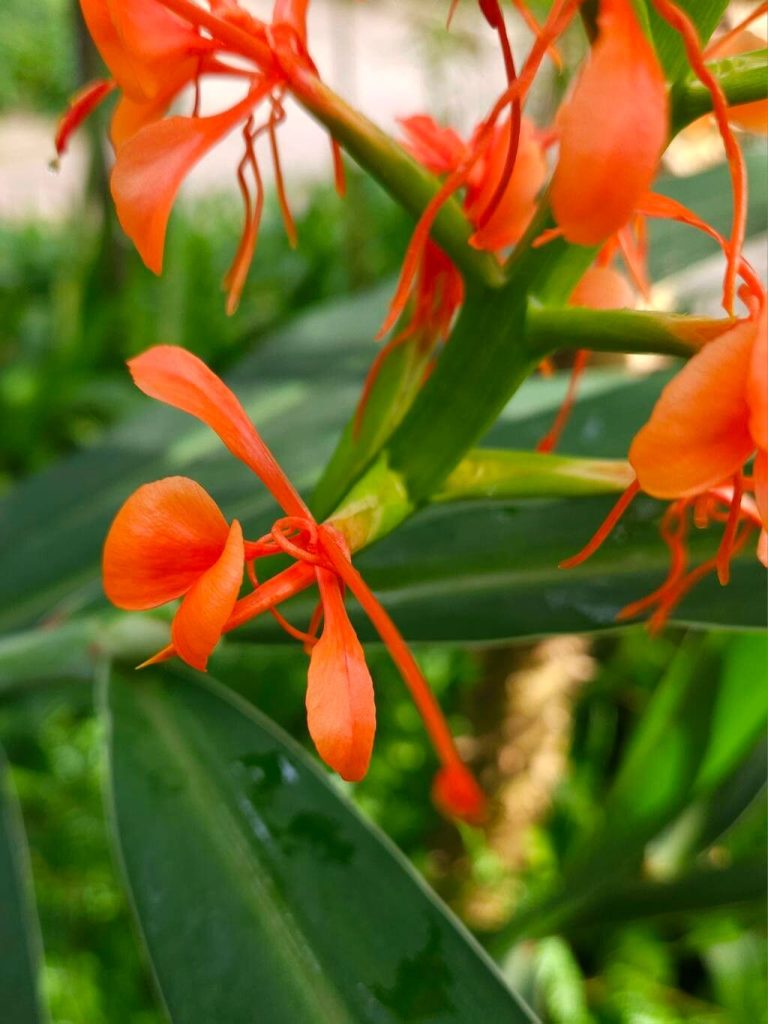
Propagating the Scarlet Ginger Lily (Hedychium coccineum): A Gardener’s Guide
Introduction:
Hedychium coccineum, commonly known as the Scarlet Ginger Lily, is a stunning rhizomatous perennial prized for its vibrant, scarlet-red flower spikes and intoxicating fragrance. Native to the Himalayas, this plant enjoys a prominent place in many gardens, particularly those with a tropical or subtropical climate. Its popularity stems not only from its breathtaking blooms but also from its relative ease of propagation, although some methods present more challenges than others. Understanding the nuances of each propagation technique is key to successful cultivation.
Seed Germination:
Currently, there are no known reliable methods for seed germination propagation of Hedychium coccineum. While the plant does produce seeds, their germination rate is exceptionally low, and success is largely unpredictable. Factors such as seed viability, dormancy periods, and specific environmental requirements remain largely unstudied, making seed propagation an impractical method for most gardeners.
Cuttings:
Propagating Hedychium coccineum from cuttings is a moderately successful method, although it requires patience and attention to detail.
Challenges: Success relies heavily on the timing and the quality of the cutting. Using too-young or too-old stems will result in low success rates.
Practical Tips: Take stem cuttings approximately 10-15cm long in spring or early summer, ensuring each cutting includes at least two nodes. Remove the lower leaves to prevent rotting. Treat the cut ends with a rooting hormone to stimulate root development. Plant the cuttings in a well-draining mix of perlite and peat moss, keeping the medium consistently moist but not waterlogged. High humidity is beneficial. Root development can take several weeks to months.
Rewards: Cuttings offer a relatively straightforward method for increasing the number of plants, particularly when propagating a specific cultivar with desirable characteristics. This method avoids the genetic variability inherent in seed propagation.
Division:
Division is the most reliable and widely practiced method for propagating Hedychium coccineum.
Challenges: The process requires careful handling of the rhizomes to avoid damaging them. Overly small divisions may struggle to establish.
Practical Tips: The best time for division is during the plant’s dormant period (late autumn or winter). Carefully dig up the mature rhizome, then gently separate it into smaller sections, ensuring each division has at least one healthy growth bud and a sufficient portion of rhizome. Plant the divisions in well-prepared soil, ensuring adequate spacing for growth.
Rewards: Division is efficient, relatively easy, and guarantees a high success rate. It is a quick way to increase the number of plants while perfectly cloning the parent plant’s traits.
Tissue Culture:
While tissue culture is a potential method for large-scale propagation of Hedychium coccineum, it’s generally not practical for home gardeners due to the specialized equipment, sterile environment, and expertise required.
Challenges: Requires a controlled laboratory setting, specialized media, and technical knowledge of plant tissue culture techniques.
Practical Tips: This method is best left to professionals or commercial nurseries aiming for mass production of disease-free plants.
Rewards: This is the most efficient method for rapid mass propagation and the production of virus-free plants.
Conclusion:
Propagating Hedychium coccineum presents varying degrees of challenge depending on the chosen method. While seed propagation is currently unreliable, cuttings offer a moderately successful alternative, and division reigns supreme as the easiest and most effective technique for home gardeners. Tissue culture offers high-volume propagation but is beyond the scope of most hobbyists. The satisfaction of successfully nurturing a tiny rhizome division into a magnificent flowering plant or coaxing a cutting to root is immensely rewarding, a testament to patience and horticultural skill. For aspiring propagators, starting with division is highly recommended, gradually exploring cuttings as experience grows. The breathtaking scarlet blooms are a worthy reward for the effort invested.