
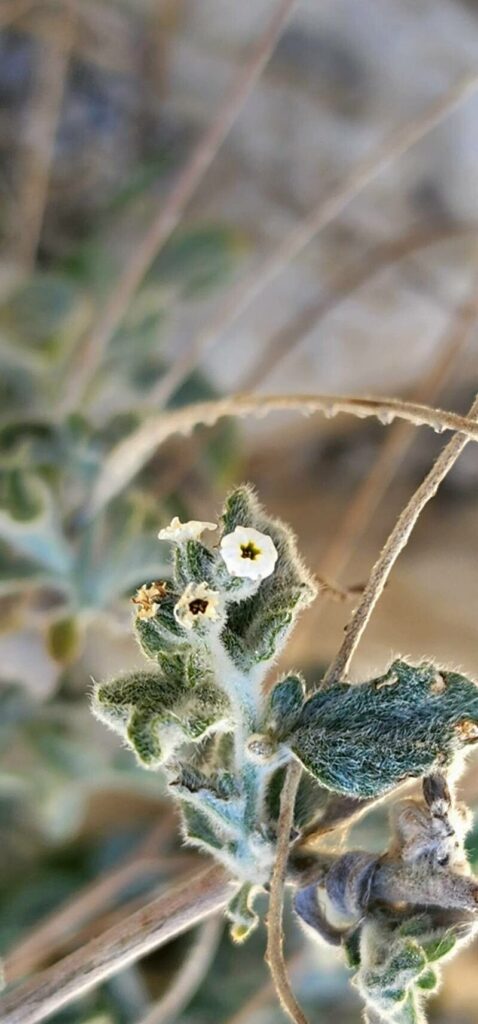
Unveiling the Secrets: Propagating the Fragrant Heliotropium Calcareum
Heliotropium calcareum, also known as the Limestone Heliotrope, is a captivating plant that adds a touch of desert charm to any garden. With its delicate white blooms and intoxicating vanilla fragrance, it’s no wonder gardeners are eager to multiply their collection. But this alluring desert dweller can be a bit particular about propagation. Fear not, fellow plant enthusiasts! We’re here to shed light on the secrets of successfully propagating Heliotropium calcareum.
Two Paths to Propagation:
There are two primary methods for propagating Heliotropium calcareum: seed propagation and cuttings. Each comes with its own set of advantages and challenges:
1. Seed Propagation:
For those who enjoy the journey from tiny seed to blooming beauty, seed propagation is a rewarding option.
- When to Sow: Spring is the ideal time to sow Heliotropium calcareum seeds, as the warmer temperatures encourage germination.
- Sowing the Seeds: Start by using a well-draining seed starting mix. Sprinkle the seeds on the surface and lightly press them in, ensuring they are not buried too deep.
- Germination Conditions: Maintaining consistent moisture and providing bottom heat using a heat mat can significantly improve germination rates. Expect to see sprouts within 2-3 weeks.
- Transplanting: Once the seedlings develop a few sets of true leaves, they are strong enough to be transplanted into individual pots or directly into the garden.
Challenges with Seed Propagation:
- Germination rates can be inconsistent.
- Seedlings can be delicate and susceptible to damping off, a fungal disease affecting young plants.
2. Propagation from Cuttings:
Propagating from cuttings offers a higher success rate and allows you to create a genetically identical copy of your existing plant.
- When to Take Cuttings: Early summer is the prime time to take cuttings as the plant is actively growing.
- Selecting the Right Cuttings: Choose healthy, non-flowering stems that are about 3-4 inches long. Make a clean cut just below a leaf node.
- Preparing the Cuttings: Remove the lower leaves from the cutting, leaving only a couple of leaves at the top. Dip the cut end in rooting hormone to encourage root development.
- Planting the Cuttings: Plant the prepared cuttings in a well-draining potting mix. Keep the soil consistently moist but not waterlogged.
- Root Development: Within a few weeks, the cuttings should develop roots. You can gently tug on the cutting – resistance indicates successful rooting.
Challenges with Cuttings:
- Cuttings may not always root successfully.
- Maintaining appropriate moisture levels is crucial to prevent rot.
Essential Tips for Success:
Regardless of your chosen propagation method, keep these tips in mind:
- Well-Draining Soil: Heliotropium calcareum thrives in well-draining soil. Use a sandy loam mix or amend heavy soils with perlite or sand.
- Sunlight Requirements: Choose a location that receives at least 6 hours of direct sunlight each day.
- Watering: Allow the soil to dry slightly between waterings. Avoid overwatering, as it can lead to root rot.
The Joys of Propagation:
Propagating Heliotropium calcareum, while requiring a bit of patience and care, is a truly rewarding endeavor. The satisfaction of nurturing a new plant from seed or cutting is immensely gratifying. Soon, your garden will be filled with the captivating beauty and alluring fragrance of this delightful desert gem.