
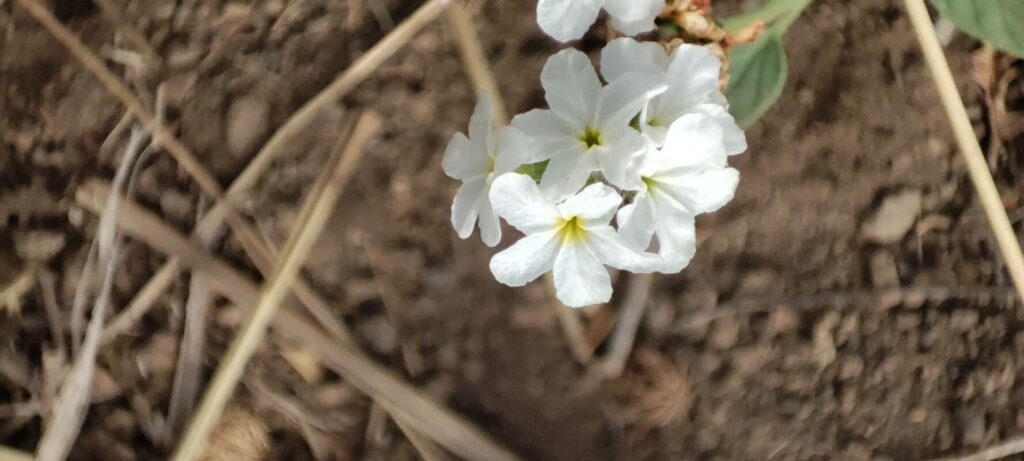
Sweet Dreams Are Made of This: Propagating Your Own Heliotropium Suaveolens
Ever smelled the intoxicatingly sweet scent of vanilla and cherry pie wafting through the air? That’s the magic of Heliotropium suaveolens, also known as the “cherry pie plant” or “heliotrope.” This sun-loving beauty, with its clusters of fragrant purple blooms, is a favorite for gardeners looking to add beauty and fragrance to their spaces. But what if you could share the joy of this plant with friends and family?
Propagating Heliotropium suaveolens is surprisingly easy and allows you to create more of this delightful plant, without having to spend a fortune on new ones. Here’s a step-by-step guide to get you started:
1. Choose Your Propagation Method
You can propagate Heliotropium suaveolens in two ways:
- From Seeds: While this method is possible, it’s not as common as propagation by cuttings. Seeds take longer to germinate and the resulting plants may not be as true to the parent plant. However, if you’re looking for a new variety or want to experiment, this could be an option.
- From Cuttings: This is the most popular and reliable method for propagating Heliotropium suaveolens. It’s quick, easy, and allows you to replicate your existing plants with their unique characteristics.
2. Time is of the Essence
The best time to propagate Heliotropium suaveolens is during the spring or early summer. This is when the plant is actively growing and has the most energy to produce new roots.
3. Taking Cuttings: A Step-by-Step Guide
- Select your cuttings: Choose healthy, non-flowering stems that are about 4-6 inches long. Make sure the cuttings have at least three sets of leaves.
- Sharpen your tools: Clean and sharp pruning shears or a knife are crucial for making clean cuts.
- Make the cut: Cut the stem just below a leaf node, ensuring it’s a clean cut.
- Remove lower leaves: Remove the two or three bottom leaves to avoid them rotting in the rooting medium. This leaves only the top leaves exposed.
- Prepare the rooting medium: Use a well-draining mix like a blend of perlite and peat moss, or even just moist sand.
- Insert the cutting: Dip the cut end of the stem into rooting hormone powder (optional) and insert it into the rooting medium. Make sure there are several leaves visible above the rooting medium.
- Provide a humid environment: Cover the container with a plastic dome, or plastic wrap, to create a humid environment. Place the container in a bright location, but out of direct sunlight.
- Maintain moisture: The soil needs to remain consistently moist, but not soggy. Mist the cuttings regularly to maintain humidity.
- Patience is key: It can take about 2-4 weeks for the cuttings to root, but you may see new growth sooner.
4. Success Signals
Once your cuttings have rooted, the following signs will indicate success:
- New growth: The emergence of new leaves indicates that the cutting is sending out fresh growth, signifying successful root development.
- Firm stems: The stems should feel firm and resilient to the touch, indicating that they are drawing water and nutrients from the rooting medium through newly established roots.
5. Ready to Re-Pot!
Once the cuttings have rooted, you can gently transplant them into individual pots with a well-draining potting mix.
6. Enjoy Your New Plants!
With proper care, your new Heliotropium suaveolens plants will soon grow into sturdy, fragrant additions to your garden.
Pro Tip: For a more vigorous plant, you could “pinch back” the top growth after the plant establishes itself, encouraging bushier growth.
With a little bit of effort and patience, you can enjoy the sweet fragrance of Heliotropium suaveolens all year round. So get your hands dirty and start propagating your own today!