
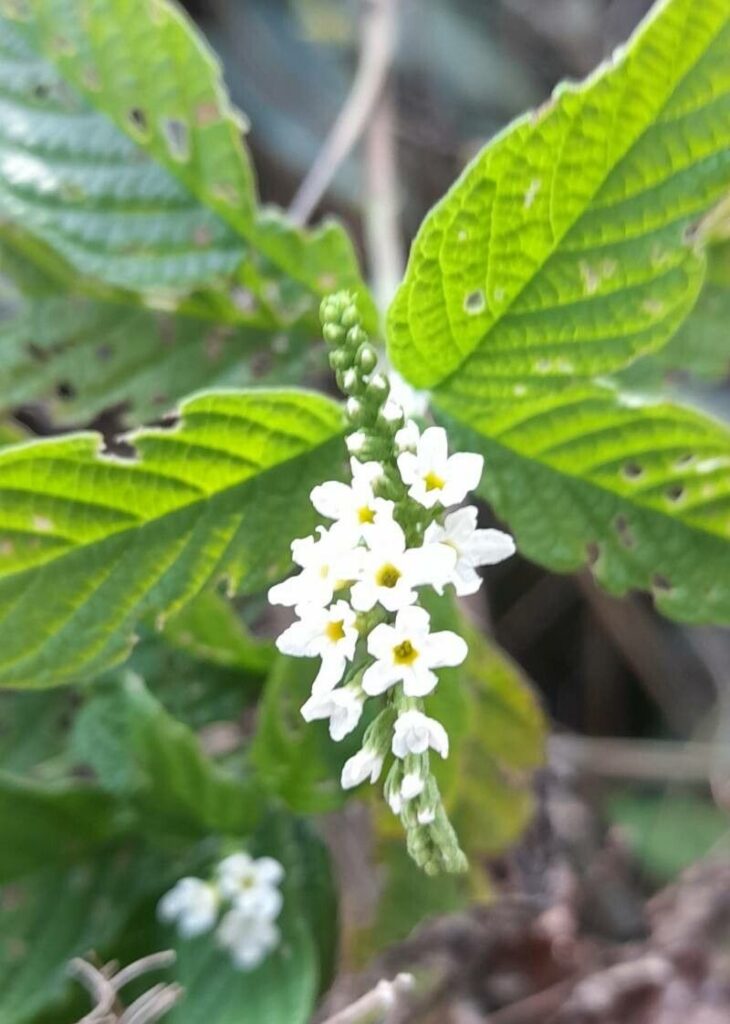
Sun-Seekers from Seed: Propagating the Enchanting Heliotropium transalpinum
The Heliotropium transalpinum, also known as the Transalpine Heliotrope, is a fascinating plant that draws the eye and captivates the senses. This enchanting species boasts clusters of tiny, fragrant, lavender-blue flowers that follow the sun’s path throughout the day. While less common than its cousin, the garden heliotrope (Heliotropium arborescens), H. transalpinum offers a unique charm with its sprawling habit and delicate beauty.
If you’re considering adding this sun-loving charmer to your garden, you’ll be pleased to know that propagating Heliotropium transalpinum, while not as widely practiced, is achievable with a little patience and the right techniques.
Two Roads to Rooting: Seed vs. Cuttings
1. Starting from Seed:
For beginner gardeners, starting H. transalpinum from seed offers a rewarding experience. Here’s a step-by-step guide:
- Timing is Key: Begin sowing indoors 6-8 weeks before the last expected frost in your region.
- Sowing the Seeds: Use a well-draining seed starting mix and sprinkle the seeds on the surface. Gently press them in, but avoid burying them deep as they need light to germinate.
- Warmth and Moisture: Maintain a consistent temperature of around 70-75°F (21-24°C) and keep the soil consistently moist but not waterlogged. A seedling heat mat can be beneficial.
- Light Show: Provide ample bright, indirect light. Once the seedlings emerge, typically within 2-3 weeks, you can gradually acclimate them to more direct sunlight.
- Transplanting Time: After the danger of frost has passed and the seedlings have developed a few sets of true leaves, harden them off gradually by introducing them to outdoor conditions for increasingly longer periods. Once acclimated, they can be transplanted into the garden.
2. Taking Cuttings:
If you have an existing Heliotropium transalpinum, taking cuttings is another viable propagation method, though it can be slightly trickier:
- The Right Cut: Select a healthy, non-flowering stem tip about 4-6 inches long. Make a clean cut just below a leaf node using a sharp, sterilized knife or pruning shears.
- Prep the Cutting: Remove the lower leaves, leaving only 2-3 pairs at the top. Dip the cut end in rooting hormone powder to encourage root development.
- Potting Up: Plant the cutting in a pot filled with a well-draining mix of peat moss and perlite or vermiculite.
- Humidity is Key: Cover the pot with a clear plastic bag or place it in a propagator to create a humid environment. Ensure proper ventilation to prevent fungal diseases.
- Sunlight and Patience: Place the cutting in a bright location, out of direct sunlight. Keep the soil consistently moist. Rooting can take several weeks; new growth indicates successful rooting. Once established, gradually acclimate the cutting to outdoor conditions before transplanting.
Nurturing Your New Sun Worshippers
Whether you choose seed or cuttings, providing the right conditions is crucial for thriving Heliotropium transalpinums:
- Sunlight: Choose a location with at least 6 hours of direct sunlight per day.
- Soil: Plant them in well-draining soil.
- Watering: While they appreciate regular watering, avoid overwatering as it can lead to root rot.
- Maintenance: Deadhead spent flowers regularly to encourage continuous blooming.
By following these propagation tips and providing optimal growing conditions, you can enjoy the captivating beauty and delightful fragrance of Heliotropium transalpinum in your own backyard. So, why not embark on this rewarding journey and welcome these sun-seeking beauties into your garden?