
Propagating the Swamp Pink (Helonias orientalis): A Gardener’s Guide
Introduction:
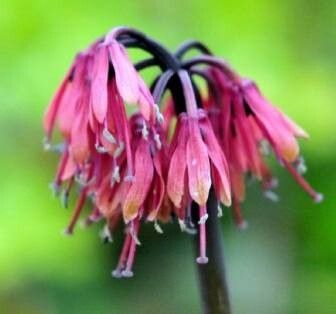
Helonias orientalis, commonly known as swamp pink, is a striking perennial native to eastern North America. This herbaceous plant boasts dense racemes of vibrant rose-pink flowers atop sturdy stems, making it a highly sought-after addition to bog gardens and moist woodland settings. Its rarity in cultivation and slow growth contribute to its desirability among gardeners. However, propagation presents unique challenges, calling for patience and specific techniques. Understanding these challenges and the various propagation methods is crucial for successful cultivation.
Seed Germination:
Currently, there are no known reliable methods for seed germination propagation of Helonias orientalis. While seeds are produced, germination rates are extremely low, possibly due to dormancy requirements that are yet to be fully understood. Extensive research exploring different stratification techniques and germination media is needed before seed propagation can be considered a viable option.
Cuttings:
Cuttings are also not a practical method for propagating Helonias orientalis. Experiments with stem cuttings and root cuttings have yielded poor results. The plant’s physiology doesn’t lend itself easily to the formation of adventitious roots from cuttings.
Division:
Division is the most reliable and widely used method for propagating swamp pink. It involves carefully separating established clumps into smaller portions, each containing sufficient roots and shoots.
Challenges: Swamp pink has a relatively slow growth rate, meaning sizable clumps suitable for division are slow to develop. Damaging the root system during division can severely impact the plant’s health and survival.
Practical Tips: Division is best undertaken in early spring or autumn when the plant is dormant. Use sharp, sterilized tools to minimize damage to the roots. Each division should contain several actively growing shoots and a substantial root mass. Plant divisions immediately into moist, acidic soil, mimicking the plant’s natural habitat.
Rewards: Division provides a relatively quick way to increase the number of plants and ensures genetic uniformity if taken from a proven cultivar.
Tissue Culture:
Tissue culture offers a potential, albeit complex and specialized, approach to propagating Helonias orientalis. This method requires a sterile laboratory environment and expertise in plant tissue culture techniques.
Challenges: Establishing sterile cultures and finding the optimal growth medium and hormone combinations can be difficult and time-consuming. This method necessitates significant investment in equipment and expertise.
Practical Tips: Success hinges on the ability to establish healthy callus from leaf or stem explants and then inducing shoot proliferation and root development. This requires a detailed understanding of plant physiology and tissue culture protocols.
Rewards: Tissue culture allows for rapid and large-scale propagation, ideal for conservation efforts or commercial production. It also offers opportunities to eliminate pathogens.
Conclusion:
Propagating Helonias orientalis presents significant challenges. While seed and cutting propagation show little promise, division offers a practical, albeit slow, method for increasing the number of plants. Tissue culture holds the potential for mass propagation but requires specialized knowledge and resources. The rewards of successfully cultivating this beautiful and rare plant, however, far outweigh the difficulties. The satisfaction of nurturing a swamp pink from a division, knowing the plant’s slow growth and unique propagation challenges, is uniquely fulfilling. For aspiring propagators, patience, attention to detail, and a thorough understanding of the plant’s needs are paramount. Start with division from a healthy mature plant; this offers the highest probability of success and lets you appreciate the slow, rewarding journey of cultivating this exceptional species.