
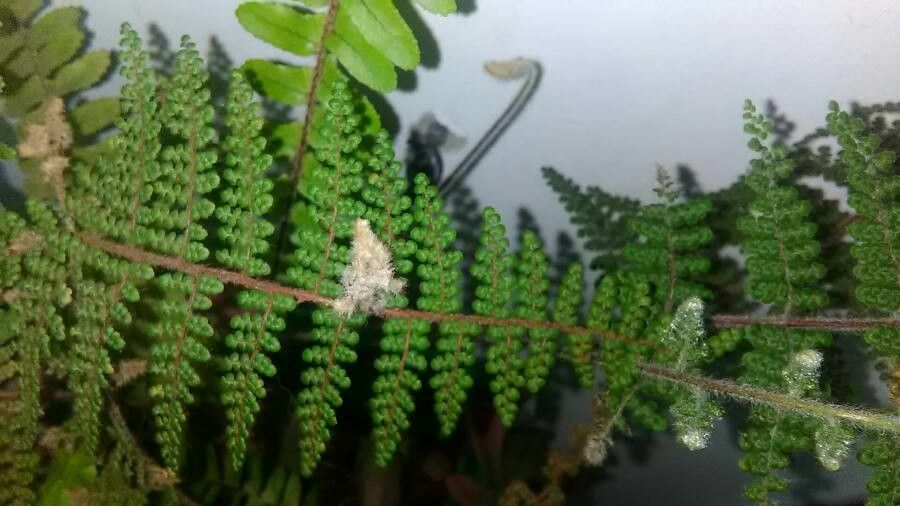
Unfurling New Life: Propagating the Unique Hemionitis Lendigira
The Hemionitis lendigera, or the “Dollar-Dollar” fern, is a captivating houseplant known for its stunning, heart-shaped fronds and its ability to thrive in low-light conditions. But did you know that this unique fern can be easily propagated, allowing you to expand your collection and share its beauty with others?
In this article, we’ll explore the fascinating world of propagation for the Hemionitis lendigera, guiding you through simple methods to create new, thriving ferns from your existing plant.
Understanding the Basics of Propagation
Propagation is essentially making new plants from existing ones. For the Hemionitis lendigira, this can be achieved through two primary methods: division and spores.
1. Division: Splitting the Clump
Division is a straightforward method best suited for established, mature plants with multiple growth points. Here’s how to do it:
- Preparation: Choose a plant that has several healthy fronds and a well-developed root system. Carefully remove the plant from its pot, gently loosening the soil around the roots.
- Splitting: Use a sharp, sanitized knife or pair of shears to carefully divide the root ball into sections, ensuring each section has at least one healthy growth point and a good amount of roots.
- Repotting: Pot each section in fresh, well-draining potting mix. Water thoroughly and place the new plants in a shady, humid location until they establish roots.
2. Spores: The Magical Journey
Hemionitis lendigera also reproduces through spores, tiny dust-like particles found on the underside of mature fronds. It’s an exciting method that unveils the fascinating life cycle of ferns:
- Collecting Spores: Locate mature fronds with brown, spore-bearing structures called “sori” on the underside. Gently scrape the spores onto a piece of paper or into a small container.
- Sowing: Fill a shallow tray with a sterile, fine-grained potting mix. Sprinkle the spores evenly over the surface, lightly misting them with water.
- Germination: Cover the tray with a clear plastic wrap or glass lid to maintain humidity and warmth. Place it in a shady, warm location with indirect light. Germination can take weeks or even months, so patience is key.
- Transplanting: Once the seedlings develop a few true leaves, gently separate them and transplant them into individual pots with well-draining soil.
Tips for Success
- Choose the Right Time: Spring or early summer is the ideal time for both division and spore propagation.
- Maintain Humidity: Provide a humid environment for your Hemionitis lendigira, especially after propagation. Misting regularly or using a humidity tray can help.
- Avoid Direct Sunlight: Protect young plants from direct sunlight, which can damage their delicate fronds.
- Be Patient: Propagation takes time, so don’t be discouraged if you don’t see results immediately.
Embracing the Joys of Propagation
Propagating the Hemionitis lendigira is a rewarding experience, allowing you to grow multiple plants from just one. It’s a magical process that allows you to appreciate the unique life cycle of this beautiful fern and to create a lush, green haven in your home. So try it, and discover the joy of bringing new life into the world of plants!