
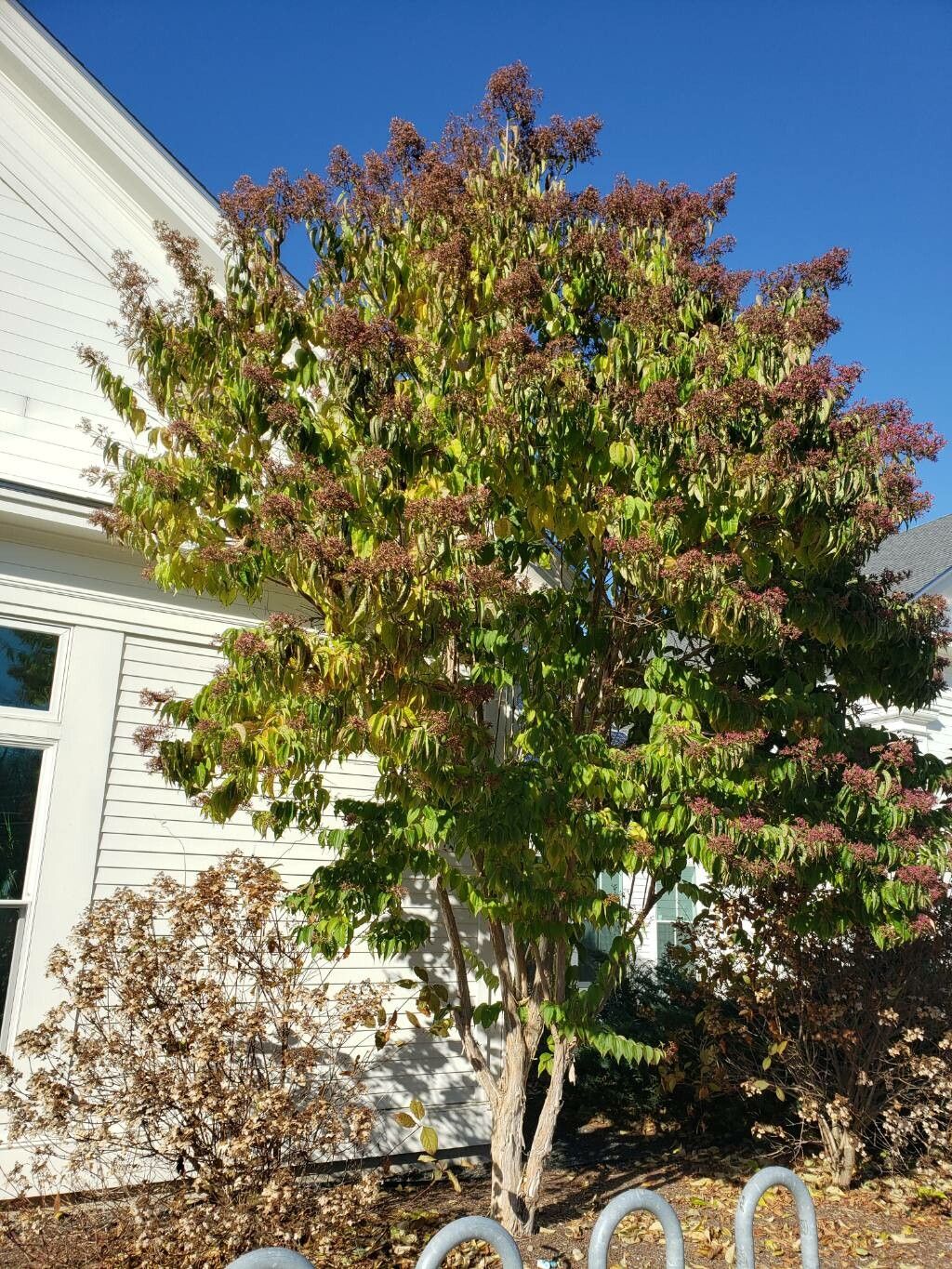
Unlocking the Secrets of Seven Son Flower Propagation: Grow Your Own Enchanting Garden
The Seven Son Flower (Heptacodium miconioides) is a hidden gem in the gardening world. This late-blooming beauty boasts fragrant white flowers that attract pollinators in droves, followed by showy, berry-like fruit with vibrant pink sepals. If you’re captivated by the charm of the Seven Son Flower and dream of having your own, propagation is the way to go! While it might sound intimidating, propagating this resilient plant is surprisingly achievable.
Let’s demystify the process and explore the different methods you can use to grow new Heptacodium plants:
1. Seed Propagation: A Test of Patience
Propagating from seed offers a sense of accomplishment and a connection to the plant’s life cycle. However, it requires patience as Seven Son Flower seeds can be slow to germinate:
- Collect seeds in fall: Gather mature, dark brown seeds from the capsules once they’ve dried on the plant.
- Stratification: Mimic winter conditions by storing the seeds in a moist paper towel inside a sealed plastic bag in your refrigerator (around 40°F) for 6-8 weeks.
- Sowing: After stratification, sow seeds in a well-draining seed starting mix, pressing them gently onto the surface.
- Patience is key: Keep the soil consistently moist and provide bright, indirect light. Germination can take anywhere from a few weeks to several months.
2. Cuttings: A Faster Route to Success
Taking cuttings from an established Seven Son Flower is a quicker and more reliable propagation method:
- Timing is everything: The optimal time to take cuttings is in late spring or early summer when the plant is actively growing.
- Choose your cuttings: Select healthy, non-flowering shoots that are about 4-6 inches long.
- Prepare the cuttings: Remove the bottom leaves and make a clean cut just below a leaf node.
- Encourage rooting: Dip the cut end in rooting hormone (optional but beneficial) and plant the cutting in a pot filled with a well-draining potting mix.
- Create a humid environment: Cover the pot with a plastic bag or humidity dome to retain moisture and promote rooting.
- Be patient: Keep the soil consistently moist and place the pot in a warm location with indirect light. Rooting usually occurs within 4-8 weeks.
3. Layering: Encouraging Natural Rooting
Layering is a simple technique that encourages a branch to develop roots while still attached to the parent plant:
- Choose a branch: Select a low-growing, flexible branch in spring.
- Wound the branch: Make a small cut or scrape on the underside of the branch where it will touch the soil.
- Bury the branch: Bend the branch gently and bury the wounded section a few inches deep in the soil. Use a rock or landscape staple to hold it in place.
- Wait and separate: Roots typically develop within a year. Once rooted, you can separate the new plant from the parent in early spring or fall.
Tips for Success:
- Well-draining soil: Heptacodium miconioides thrives in well-drained soil, so amend with compost or peat moss if necessary.
- Sunlight is key: While tolerant of some shade, the Seven Son Flower flowers best in full sun, so ensure your chosen propagation location provides adequate light.
Propagating your own Seven Son Flower is a rewarding experience that allows you to expand your garden with this remarkable and beautiful plant. With a little patience and care, you can enjoy the captivating fragrance and visual appeal of this unique flowering wonder for years to come.