
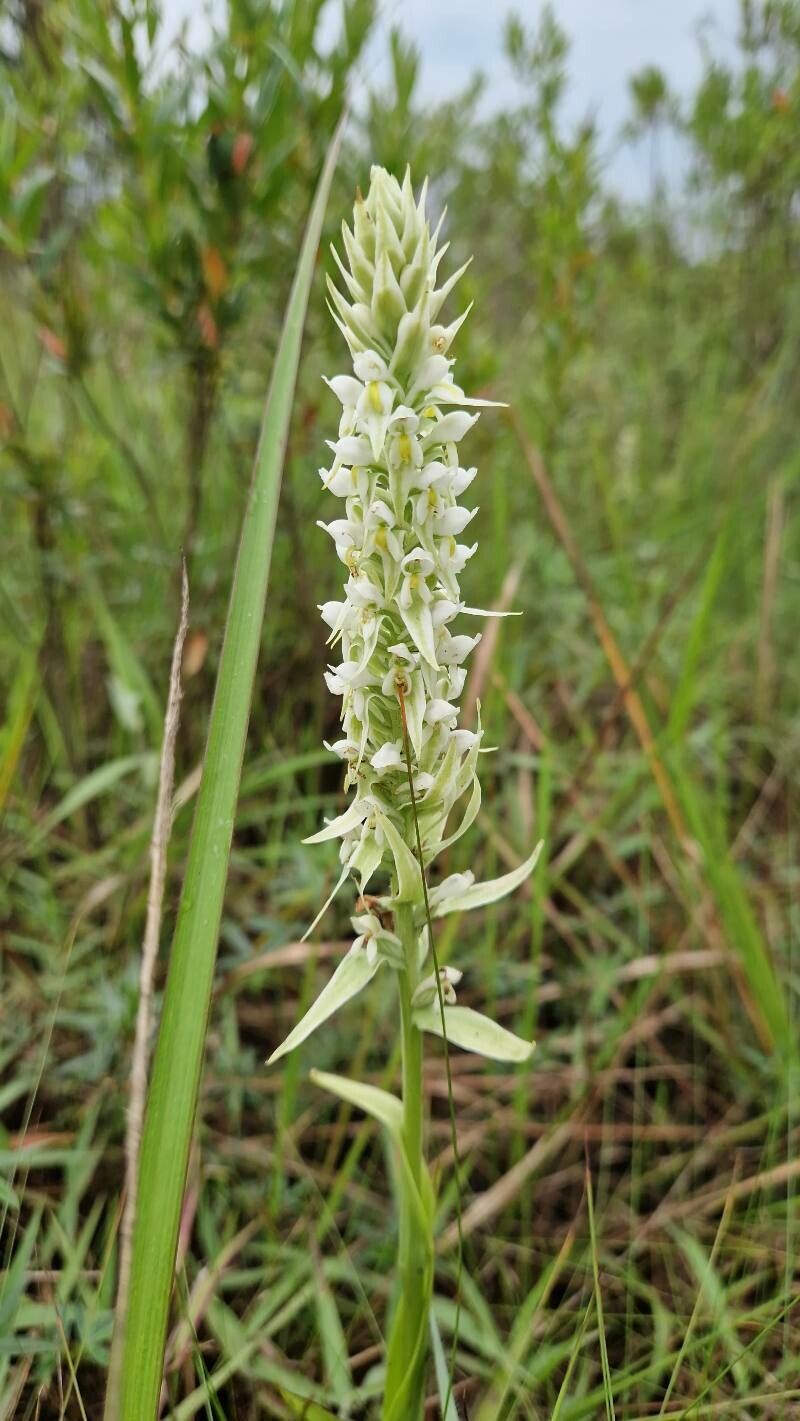
Unlocking the Secrets: Propagating the Enchanting Satyrium trinerve Orchid
The world of orchids is one filled with exotic beauty and captivating charm, and the Satyrium trinerve, a terrestrial orchid native to South Africa, is no exception. Its intricate flowers, ranging from creamy white to a delicate mauve, resemble tiny, hooded figures, adding a touch of whimsy to any orchid enthusiast’s collection. However, the delicate nature of these orchids often leaves admirers wondering – how can one encourage the propagation and continued survival of these botanical treasures?
While challenging, propagating Satyrium trinerve isn’t impossible. It requires patience, a dash of know-how, and a genuine love for these intriguing plants. Let’s delve into the two primary methods:
1. Division:
This method works best with mature, well-established plants that have formed clumps.
- Timing is key: The ideal time for division is after flowering, as the plant enters its resting phase.
- Gentle Hands: Carefully remove the plant from its pot and inspect the clump. Look for natural divisions where the plant has produced offshoots with their own set of roots.
- Divide and Conquer: Using a sterilized, sharp knife or pair of shears, carefully separate the clumps, ensuring each division has at least 3-4 healthy pseudobulbs and a good root system.
- Repotting: Plant the divisions in individual pots using a well-draining orchid mix specifically formulated for terrestrial orchids. Ensure the pot size is appropriate for the division’s size, avoiding excessive space that can lead to root rot.
- Patience is a Virtue: Place the newly potted divisions in a shaded area with good air circulation. Maintain a slightly humid environment and water sparingly until new growth emerges, signaling successful establishment.
2. Seed Germination:
Propagating Satyrium trinerve from seed is a more advanced technique, often requiring specialized knowledge and equipment. Due to the orchid’s symbiotic relationship with specific mycorrhizal fungi in the wild, replicating this environment is crucial.
- Sourcing Seeds: Obtain seeds from reputable suppliers specializing in orchid seeds. Fresh seeds offer the highest viability rates.
- Sterile Techniques: Seed sowing demands meticulous sterility. Utilize a laminar flow hood or create a makeshift sterile environment to minimize contamination risks.
- Orchid Flask Medium: Prepare a nutrient-rich, agar-based medium specifically designed for orchid seed germination. Pour the sterilized medium into sterile flasks or jars.
- Sowing the Seeds: Introduce the seeds onto the medium surface within the sterile environment.
- Light & Temperature Control: Place the flasks under controlled lighting (fluorescent or grow lights) with a 12-14 hour photoperiod. Maintain a consistent temperature ranging from 70-75°F (21-24°C).
Germination can take several weeks to months, with seedlings eventually developing tiny protocorms. Once large enough, they can be carefully transferred to individual pots following a similar process outlined for divisions.
A Note on Patience and Perseverance
Propagating Satyrium trinerve is a labor of love, often demanding multiple attempts before achieving success. Don’t be discouraged by initial setbacks. Embrace the journey of learning and experimentation, and with dedication, you can play a part in ensuring the continued survival of this remarkable orchid species.