
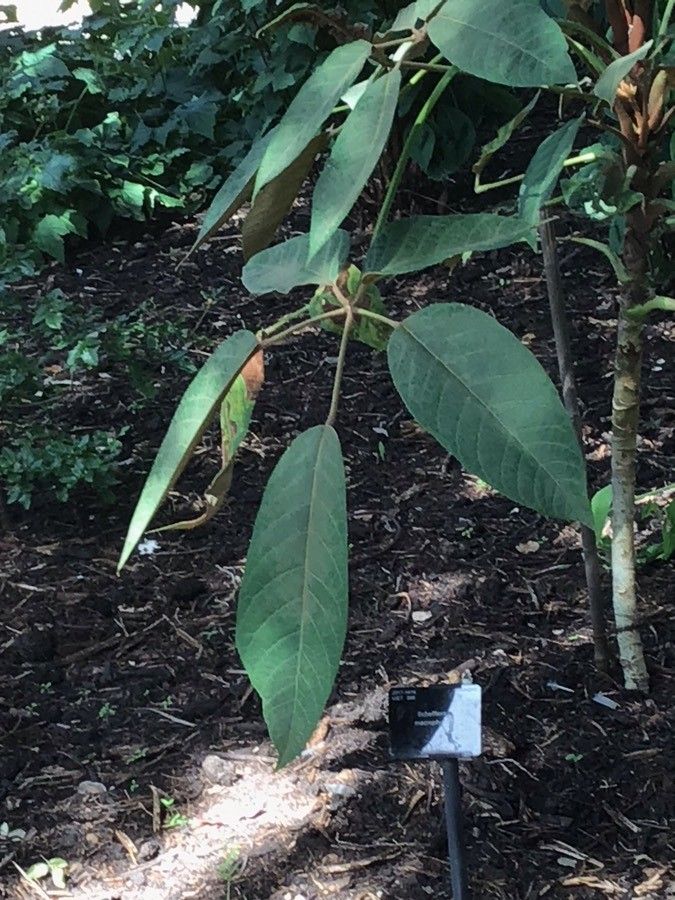
Unlocking the Secrets to Propagating the Showy Heptapleurum macrophyllum
The Heptapleurum macrophyllum, also known as the “shield aralia” or “octopus tree,” is a striking tropical plant cherished for its large, glossy leaves that resemble outstretched hands. While caring for an established Heptapleurum macrophyllum is relatively easy, propagating it can feel like unlocking a secret horticultural skill. But fear not, green thumbs and aspiring plant parents, because this comprehensive guide will demystify the process and equip you with the knowledge to multiply your leafy companions.
Propagation Power: Exploring Your Options
While Heptapleurum macrophyllum can be grown from seed, it’s not the most common or reliable method. Instead, the two most popular and successful propagation techniques are:
1. Stem Cuttings: This method involves taking a piece of the stem and encouraging it to develop roots. Here’s a step-by-step breakdown:
- Timing: Spring or early summer is ideal, as the plant is actively growing.
- Cutting Selection: Choose a healthy stem with at least 2-3 leaf nodes.
- Making the Cut: Using clean, sharp shears, cut a 4-6 inch section just below a leaf node.
- Prepping the Cutting: Remove leaves from the lower inch or two of the stem. You can dip the cut end in rooting hormone (optional but beneficial).
- Planting: Stick the cutting in a well-draining potting mix, burying the lower nodes.
- Creating Humidity: Cover the pot with a plastic bag or place it in a humidity dome to retain moisture.
- Patience is Key: Place the cutting in a warm, bright location, out of direct sunlight. Roots should develop in 4-8 weeks.
2. Air Layering: A slightly more advanced technique, air layering encourages roots to develop on a stem while it’s still attached to the mother plant. This is how it’s done:
- Choosing the Branch: Select a healthy stem that’s at least 1/2 inch thick.
- Wounding the Stem: Make a 1-inch upward cut about 6-8 inches from the tip, cutting about halfway through the stem. You can insert a toothpick to prevent the cut from closing.
- Applying Rooting Hormone: Dust the wounded area with rooting hormone.
- The Moss Wrap: Encase the wounded area with moist sphagnum moss and wrap it tightly with plastic wrap, securing both ends with tape.
- Monitoring Progress: Keep the moss consistently moist. In several weeks, you should see roots developing through the plastic.
- Separation and Potting: Once roots are established, cut the stem below the root ball and pot it in a well-draining soil mixture.
Post-Propagation Care: Nurturing New Growth
Once your new Heptapleurum macrophyllum plants are established, provide them with the following care:
- Light: Bright, indirect light is ideal. Direct sunlight can scorch the leaves.
- Watering: Water thoroughly when the top inch of soil feels dry. Avoid overwatering, which can lead to root rot.
- Humidity: As tropical plants, they appreciate higher humidity. Misting regularly or placing a humidifier nearby can be beneficial.
- Fertilizing: Feed every 4-6 weeks during the growing season (spring and summer) with a balanced liquid fertilizer.
Propagating your Heptapleurum macrophyllum can be a rewarding experience, allowing you to expand your plant family and share these unique beauties with others. With the right techniques and a little patience, you’ll be well on your way to becoming a propagation pro!