
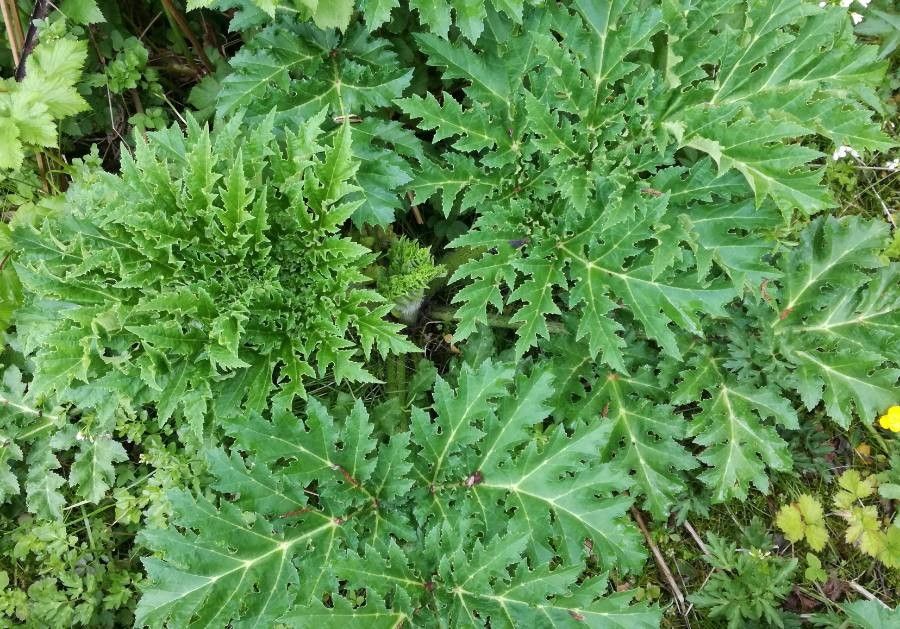
Giant Hogweed: Don’t Be Fooled by its Beauty – Propagation is Strictly Forbidden!
Giant hogweed (Heracleum mantegazzianum) is a captivating plant, towering over others with its impressive size and delicate white flower clusters. However, beneath its alluring appearance lies a dangerous truth – this plant is highly invasive and poses a serious threat to human health.
Why is Giant Hogweed So Dangerous?
The sap of Giant Hogweed contains a potent toxin called furanocoumarins. When exposed to sunlight, these toxins cause severe skin reactions, ranging from painful blisters to permanent scarring. Even the slightest contact with the sap can trigger these reactions, and the effects can last for years.
Because of these risks, propagation of Giant Hogweed is strictly prohibited in many areas. This means it’s illegal to grow, sell, or distribute this plant in any way.
Understanding the Risks:
While Giant Hogweed may seem alluring for its size and beauty, it is essential to understand the risks associated with this plant:
- Severe Skin Burns: Contact with the sap causes severe burns that can be extremely painful and leave permanent scars.
- Blindness: Getting the sap in your eyes can cause temporary or permanent blindness.
- Invasiveness: Giant Hogweed quickly spreads and crowds out native plants, disrupting ecological balance.
- Potential for Serious Health Problems: Long-term exposure to the sap can potentially lead to liver damage and other health issues.
Don’t Be Fooled by Its Appearance:
Giant Hogweed is often confused with other plants like cow parsnip or Queen Anne’s Lace. However, there are key differences to help you distinguish it:
- Size: Giant Hogweed can grow up to 14 feet tall, significantly larger than other similar-looking plants.
- Leaves: Its leaves are deeply lobed and can be over 5 feet wide.
- Stems: Giant Hogweed stems are thick, sturdy, and have purple splotches.
- Flowers: The flower clusters are large and white, forming an umbrella-like shape.
What to Do If You Encounter Giant Hogweed:
If you encounter Giant Hogweed, avoid contact at all costs. Do not attempt to remove or handle the plant yourself. Instead:
- Contact your local authorities: They will be able to provide guidance and resources for safe removal.
- Wear protective gear: If you must come into contact with the plant, wear gloves, long sleeves, and eye protection.
- Wash any affected skin immediately: If you accidentally touch the plant, wash the affected area with soap and water for at least 20 minutes.
- Seek medical attention immediately: If you experience any symptoms after contact, it is crucial to seek immediate medical attention.
In Conclusion: Giant Hogweed is a dangerous plant that should never be propagated. Its toxic sap poses significant risks to human health, and its invasive nature threatens our ecosystems. By understanding the risks and following proper safety procedures, we can help protect ourselves and our communities from the dangers of Giant Hogweed.