
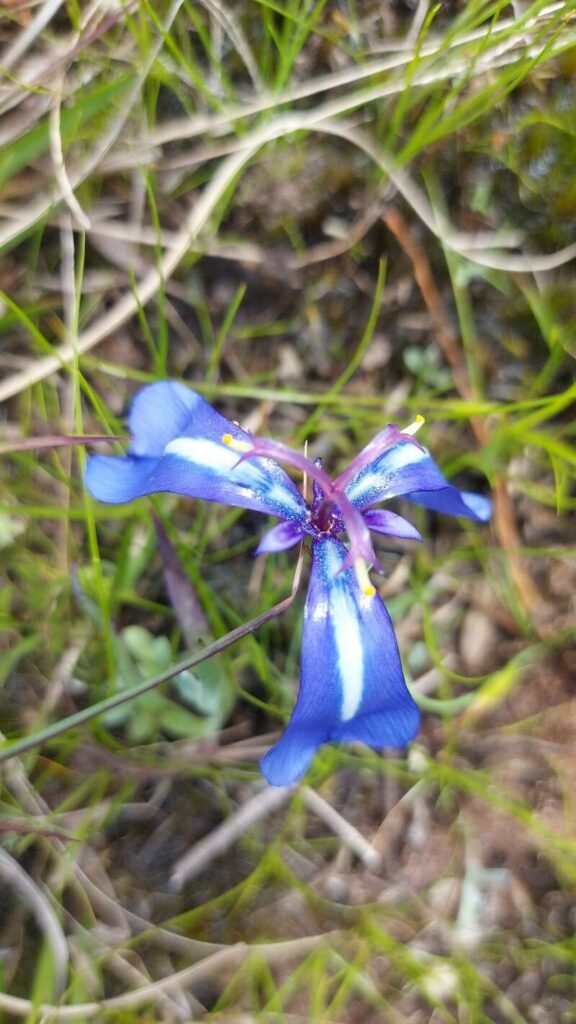
From One to Many: Propagating Your Own Herbertia pulchella
Have you fallen in love with the delicate beauty of Herbertia pulchella, also known as the “Little Blue Iris?” Its vibrant blue flowers, resembling miniature irises, are a welcome sight in any garden. But did you know that sharing this charm with your friends and family can be as easy as a simple propagation technique?
Herbertia pulchella, a native of Argentina, thrives in well-drained soils and full sun. While you can find them for sale at some nurseries, there’s a rewarding sense of accomplishment in nurturing your own plants from division.
The Art of Division
Division is the most common and effective way to propagate Herbertia pulchella. This method involves separating the plant’s clumps into individual offshoots, each with its own root system.
Here’s how to do it:
- Timing is Key: The best time to divide Herbertia pulchella is during its dormant period, typically in late summer or early fall.
- Gentle Digging: Carefully dig up the plant clump, ensuring you don’t damage the delicate root system.
- Separation: With a sharp knife or a trowel, gently divide the clump, ensuring each division has at least a few leaves and healthy roots.
- New Home: Plant the divisions in a well-prepared bed with fertile, well-draining soil. Space them about 6 inches apart.
- Water and Wait: Water the divisions thoroughly and keep the soil moist but not soggy. Your new Herbertia pulchella will soon establish roots and thrive in their new home!
Tips for Success:
- Sharpen Your Tools: Using sharp tools will help prevent damage to the plant.
- Don’t Overwater: Herbertia pulchella doesn’t like wet feet, so make sure the soil drains well.
- Mulching Magic: A layer of mulch around the base of the plant will help retain moisture and suppress weeds.
- Patience is Key: The divisions might take a few weeks to establish, so be patient and provide consistent care.
Beyond Division: Exploring Other Methods
While division is the most widely used method, Herbertia pulchella can also be propagated through seed. However, this method takes longer and isn’t always as reliable.
If you choose to try seed propagation, follow these steps:
- Harvest the Seeds: Collect the mature seed pods after the flowers have faded and the pods have turned brown.
- Preparation: Sow the seeds in a seed tray filled with seed-starting mix.
- Light and Moisture: Provide bright, indirect light and keep the soil consistently moist.
- Patience is a Virtue: Germination can take several weeks.
Propagation is a rewarding experience that allows you to share your passion for gardening with others. And with Herbertia pulchella, you’ll not only be sharing a beautiful plant but also a piece of the Argentine sun, bringing bright colors and vibrant life to your garden.