
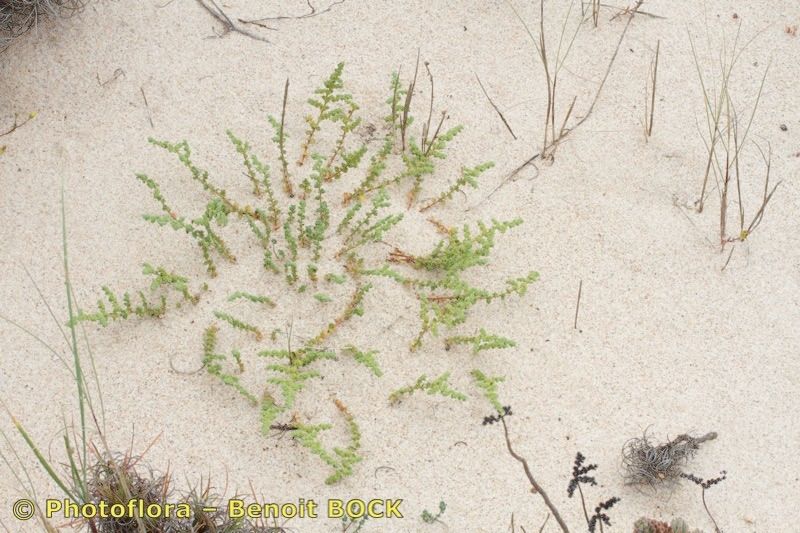
Propagating Herniaria maritima: A Coastal Challenge
Herniaria maritima, also known as sea rupturewort, is a low-growing, mat-forming perennial native to coastal areas of Europe. Its small, inconspicuous flowers and delicate foliage make it a valuable groundcover, particularly in seaside gardens or other locations with well-drained, sandy soil. While not a widely cultivated plant, its tolerance to salt spray and harsh conditions makes it attractive to gardeners seeking hardy and low-maintenance options. Its propagation, however, presents several unique challenges.
Seed Germination:
Currently, there are no known reliable methods for seed germination propagation of Herniaria maritima. While the plant does produce seed, germination rates appear to be extremely low under various tested conditions. Further research is needed to determine if specific pre-treatments (like stratification or scarification) or specialized germination media might improve success. Until a reliable method is established, seed propagation is not recommended.
Cuttings:
Cuttings offer a more promising avenue for propagating Herniaria maritima. The best success is likely achieved using semi-hardwood cuttings taken in late summer or early autumn.
Challenges: The relatively small size of the plant and its delicate stems can make taking and handling cuttings challenging. Maintaining high humidity and preventing fungal infections are also crucial.
Practical Tips: Take 5-7cm cuttings from non-flowering stems. Remove lower leaves and dip the cut ends in rooting hormone before planting them in a well-draining, sterile compost mix under high humidity (e.g., a propagator with bottom heat). Mist regularly to maintain moisture but avoid overwatering.
- Rewards: Cuttings provide a faster propagation method compared to other options, enabling quicker establishment of new plants. Genetic uniformity is also maintained compared to seed-grown plants.
Division:
Division is a viable method for propagation, especially for established plants.
Challenges: Herniaria maritima‘s dense, mat-forming growth can make careful division challenging without damaging the root system. Spring, after new growth appears, is the best time for division.
Practical Tips: Carefully lift the entire plant, using a garden fork to gently loosen the roots. Divide the plant into smaller clumps, ensuring each section has a healthy portion of roots and foliage. Replant the divisions immediately, maintaining the same planting depth as the original plant.
- Rewards: Division is a relatively simple method that offers almost guaranteed success compared to other techniques. It’s the quickest way to increase the number of plants for established specimens.
Tissue Culture:
Tissue culture offers a theoretically high potential for large-scale propagation but might require significant expertise and resources.
Challenges: Establishing a reliable protocol for Herniaria maritima tissue culture would require considerable experimentation to identify the optimal growth medium, hormone concentrations, and sterilisation techniques. Its low commercial value might limit available research.
Practical Tips: This method would involve sterile techniques in a laboratory setting. Research into suitable media and hormonal treatments would be crucial to its success.
- Rewards: Tissue culture offers the potential for mass propagation of genetically identical plants, ideal for commercial production or conservation purposes should the plant become endangered in its native habitat.
Conclusion:
Propagating Herniaria maritima presents challenges, primarily due to the relatively low success rates reported with seed germination. While cutting propagation provides a feasible method, division presents a simple and reliable alternative for increasing established plants. Tissue culture remains a possibility but requires expert resources and time. The rewards of successfully cultivating this hardy and attractive ground cover – particularly when propagated using alternative methods like cuttings or division – are undeniably satisfying, offering the unique fulfillment of mastering the propagation of a challenging but rewarding coastal species. For aspiring propagators, patience and persistence are key to success, and the rewards of successful cultivation will make the effort worthwhile.