
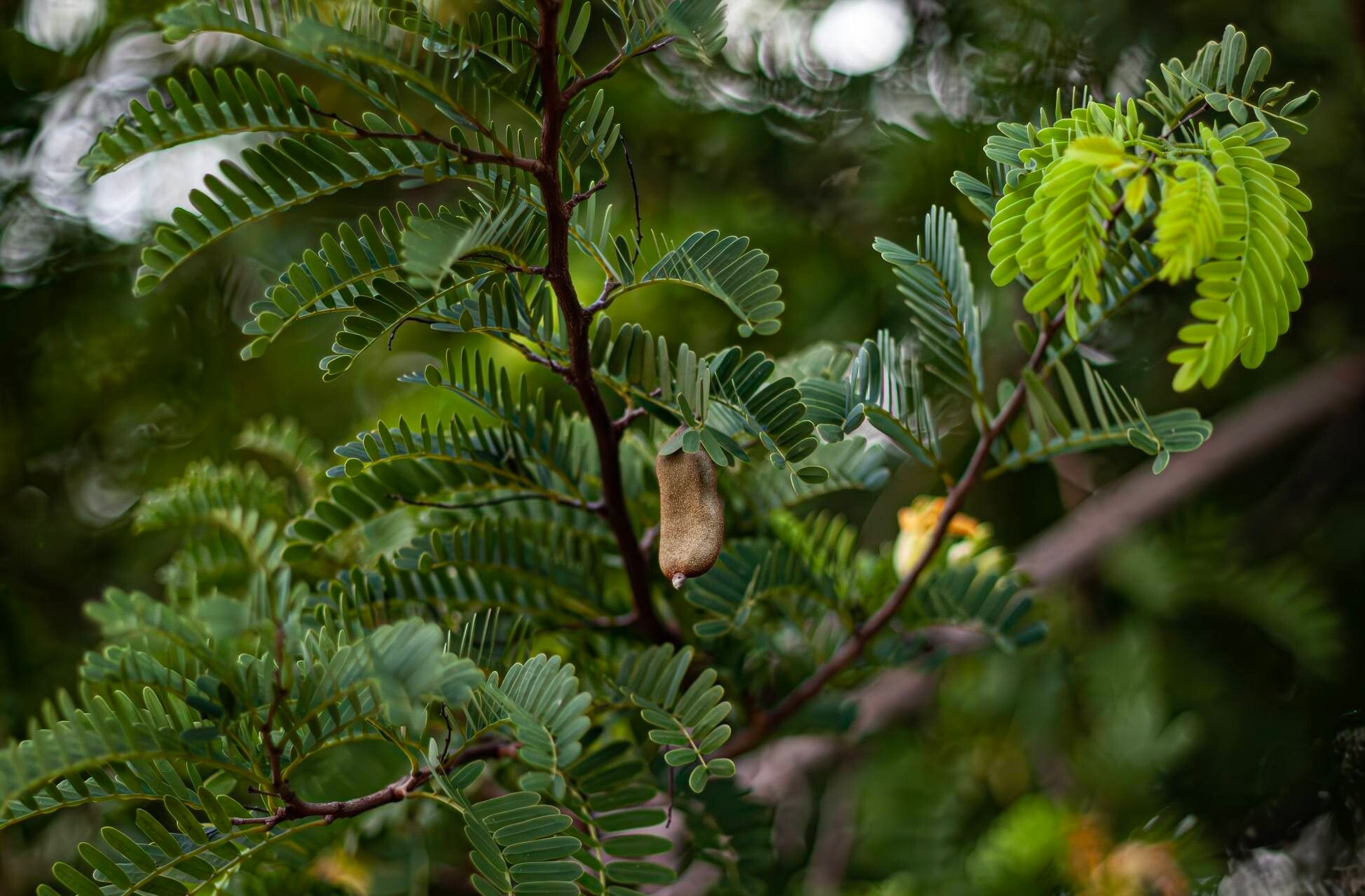
Propagating the Tamarind: A Guide to Cultivating Tamarindus indica
Introduction:
Tamarindus indica, commonly known as tamarind, is a slow-growing, long-lived tropical tree prized for its sweet and sour fruit pulp, used extensively in cuisine and traditional medicine. Its dense, spreading canopy also provides shade, making it a valuable addition to landscapes in warm climates. While tamarind’s relatively slow growth might deter some, its longevity and unique qualities make it a rewarding plant for dedicated gardeners. Propagation, however, presents a unique set of challenges due to the tree’s recalcitrant nature – meaning its seeds and cuttings don’t readily germinate or root.
Seed Germination:
Seed germination is a viable method for Tamarindus indica, but it’s not always straightforward. The hard seed coat often inhibits water uptake, leading to low germination rates.
Challenges: Hard seed coat, slow germination rates (often taking several weeks or even months), inconsistent germination success.
Practical Tips: Soaking seeds in warm water for 24-48 hours before sowing can help soften the seed coat. Scarification (carefully nicking the seed coat) can further improve germination. Sowing in a well-draining seed-starting mix, maintaining consistently moist (but not waterlogged) conditions, and providing warm temperatures (around 25-30°C) are crucial. Consider using a germination propagator to maintain a humid environment.
Rewards: Seed germination offers the advantage of genetic diversity, potentially leading to hardier and more productive trees. With sufficient patience and the right technique, it’s a cost-effective method for large-scale propagation.
Cuttings:
Challenges: Tamarind is difficult to propagate from cuttings due to its recalcitrant nature. Low success rates are commonly reported, even with the use of rooting hormones.
Practical Tips: Semi-hardwood cuttings taken from actively growing shoots during the warmer months might yield the best results, though the success rate remains low. The use of rooting hormones and a humid propagation environment is recommended.
Rewards: Successful propagation from cuttings allows for the replication of desirable traits from a specific parent plant, preserving superior characteristics. However, the difficulty and low success rate make this method less practical than seed germination for large-scale propagation.
Division:
Currently, there are no known reliable methods for division propagation of Tamarindus indica. The tree’s extensive root system and slow growth make division impractical and highly likely to damage the parent plant.
Tissue Culture:
Tissue culture offers a potentially more reliable method for propagation, though it requires specialized equipment and expertise.
Challenges: Establishing a sterile culture and developing a consistent protocol for successful shoot and root multiplication can be complex and require significant technical skill. The high initial investment and ongoing maintenance costs can be substantial.
Practical Tips: Successful tissue culture relies on optimal nutrient media, hormones, and sterile conditions. Experienced tissue culture specialists are often required to achieve high success rates.
Rewards: Tissue culture allows for rapid propagation of large numbers of genetically identical plants from a single source. This is particularly useful for preserving valuable cultivars or producing disease-free planting material.
Conclusion:
Propagating tamarind presents various challenges, with seed germination offering the most accessible, albeit unpredictable, method. Cuttings are difficult, and division is not feasible. Tissue culture provides a path toward large-scale propagation but demands specialized knowledge and resources. The rewards, however, are substantial: the opportunity to cultivate this unique and valuable tree, contributing to its preservation and enjoyment for generations to come. While the process might be demanding, the unique satisfaction of successfully nurturing a tamarind tree from seed or cutting, witnessing its slow, steady growth into a majestic specimen, provides a deeply rewarding experience for the dedicated propagator. Don’t be discouraged by initial setbacks—perseverance and careful attention to detail are key to success.