
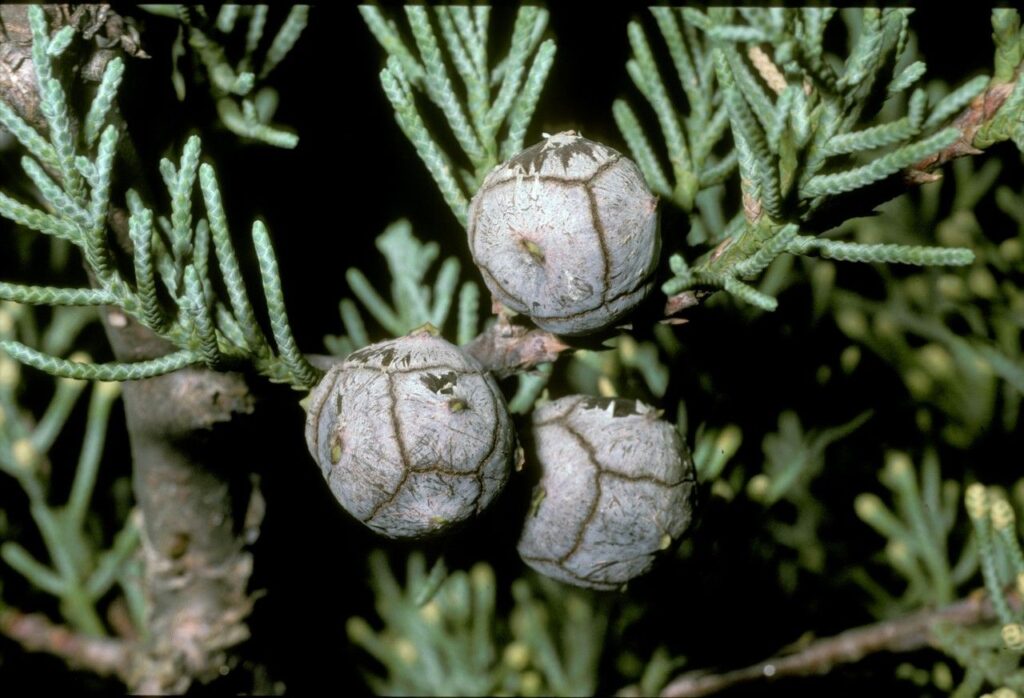
Guadaloupe Cypress: Propagating a Symbol of Resilience
The Guadalupe cypress (Hesperocyparis guadalupensis) is a striking and resilient conifer native to the Guadalupe Island off the coast of Baja California, Mexico. This majestic tree, with its distinctive blue-green foliage and pyramid-shaped form, is not only a beautiful addition to landscapes, but also holds cultural and ecological significance. Its ability to survive harsh conditions makes it an inspiring symbol of resilience and a popular choice for gardeners seeking a unique and hardy species.
However, due to its limited natural range and conservation status, acquiring a Guadalupe cypress can be tricky. Fortunately, propagation methods like cuttings and seeds offer nature enthusiasts the opportunity to nurture their own mini versions of this iconic tree.
Propagating Guadalupe Cypress from Cuttings
The most common and successful method for multiplying Guadalupe cypress is through softwood cuttings. This technique utilizes young, tender stems that are still pliable. Here’s a step-by-step guide:
- Select the Right Cuttings: Choose healthy, non-flowering stems with a pencil-thick diameter. Cuttings taken in late spring or early summer, when the plant is actively growing, have the highest chance of success.
- Prepare the Cuttings: Use a clean, sharp knife or pruning shears to take 4-6 inch cuttings. Remove the lower leaves and make a clean cut just below a node (the point where a leaf emerges).
- Dip in Rooting Hormone: Treat the base of the cutting with a rooting hormone powder or liquid. This helps stimulate root development.
- Plant in Suitable Medium: Use a sterile, airy potting mix designed for cuttings. Plant the cuttings deep enough so that only a few inches of the stem remain above the soil.
- Create a Humid Environment: Cover the cuttings with a clear plastic dome or humidity tent to maintain high humidity and moisture levels. Place the container in a warm, well-lit location, but avoid direct sunlight.
- Maintain Moisture and Patience: Keep the potting mix consistently moist but not soggy. With time, the cuttings will begin to sprout roots. It can take 6-8 weeks for the cuttings to root.
- Hardening Off and Transplanting: Once the cuttings have rooted, gradually acclimate them to outdoor conditions by removing the plastic cover for increasing periods throughout the day. When the seedlings are robust enough, you can transplant them to a larger pot or directly into the ground.
Propagating from Seeds
While less common than cuttings, Guadalupe cypress can also be propagated from seeds. Here’s a basic guide:
- Collecting and Storing Seeds: Extract seeds from mature cones that have turned brown and slightly opened. Clean the seeds from any remaining debris and store them in a cool, dry place.
- Pre-Treatment: Guadalupe cypress seeds are dormant and need cold stratification for optimal germination. Place the seeds in a sealed container filled with moist vermiculite or peat moss and refrigerate for 6-8 weeks.
- Sowing the Seeds: After stratification, sow the seeds in seed trays filled with a well-draining potting mix. Plant the seeds about ¼ inch deep and cover with a thin layer of soil.
- Watering and Care: Maintain the soil consistently moist but not wet. Place the tray in a bright, indirect light location.
- Germination and Growth: Germination can take several weeks to a few months. Once seedlings emerge, thin them out if necessary.
- Transplanting: When the seedlings have developed a few true leaves, transplant them into individual pots. Continue to provide bright, indirect sunlight and regular watering.
Nurturing a Unique Species
Propagating Guadalupe cypress not only allows you to cultivate this remarkable tree, but also supports its conservation. By creating new plants, you contribute to the ongoing efforts to preserve this genetically diverse and culturally important species. Remember to provide your newly propagated cypress with a well-drained soil, adequate sunlight, and regular fertilization. With proper care, your young Guadalupe cypress will grow into a magnificent symbol of resilience and beauty.