
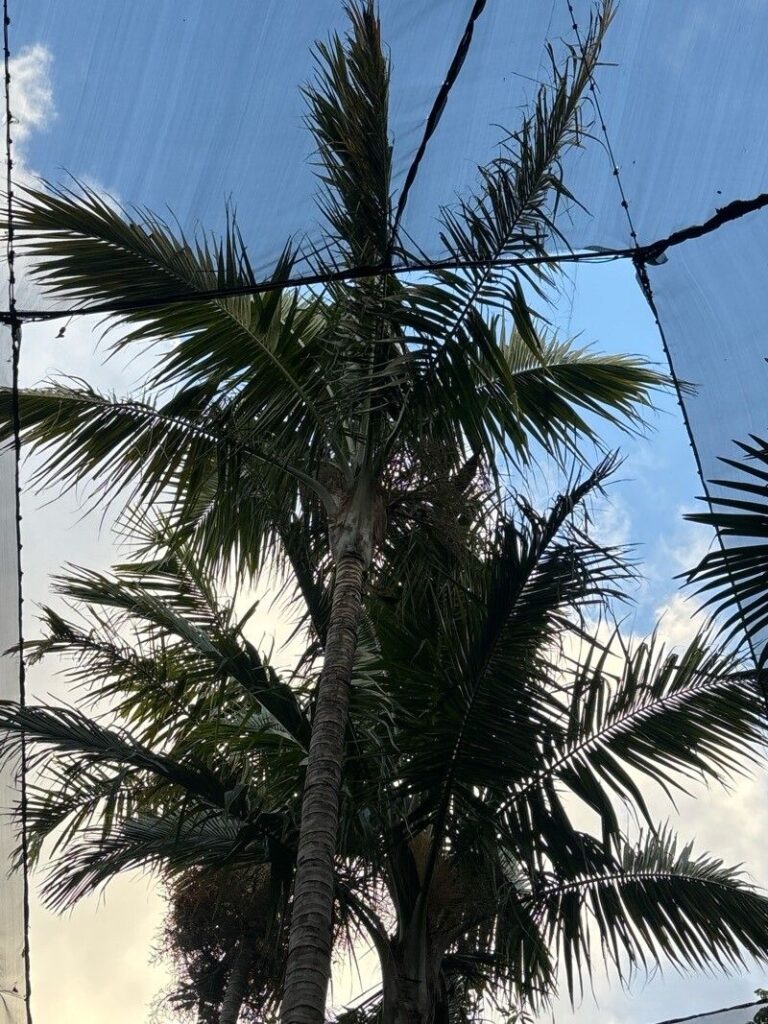
Reaching New Heights: Propagating the Majestic Heterospathe Elata
The Heterospathe elata, also known as the Majestic Palm or Round Leaf Palm, is a striking tropical beauty coveted for its graceful, full crown and elegant arching fronds. Native to the Philippines, this palm brings a touch of the tropics to any home or garden lucky enough to host it. While finding a mature Heterospathe elata for sale can be a real treat, why not try propagating your own? Believe it or not, propagating this majestic palm is simpler than you might think!
Seeds of Success: The Most Common Route
The most common and reliable method for propagating Heterospathe elata is through seeds. Fresh seeds offer the highest chance of germination. Here’s a step-by-step guide:
- Source Your Seeds: Purchase fresh, viable seeds from a reputable supplier. Look for plump, healthy seeds without damage.
- Prepare for Germination: Soak the seeds in warm water for 24-48 hours. This helps soften the outer shell and encourages faster germination.
- Choose Your Medium: A well-draining seed starting mix or a mixture of peat moss and perlite works best. Moisten the mix before sowing.
- Sow Your Seeds: Plant the seeds about an inch deep in your chosen medium, ensuring they are evenly spaced.
- Warmth and Humidity are Key: Cover the seed tray or pots with a clear lid or plastic wrap to create a humid environment. Place the tray in a warm location (around 75-85°F) with indirect sunlight.
- Patience is a Virtue: Germination can take anywhere from a few weeks to several months, so don’t be discouraged if you don’t see sprouts immediately.
- Transplant with Care: Once the seedlings have developed a few sets of true leaves, they are ready to be transplanted into individual pots with a well-draining potting mix.
Air Layering: A More Advanced Technique
For the more adventurous gardener, air layering offers an alternative propagation method. This technique encourages root development on a stem while it’s still attached to the mother plant.
- Select a Healthy Stem: Choose a mature stem with healthy growth.
- Make an Incision: Carefully make a shallow, upward-angled cut about one-third of the way through the stem.
- Apply Rooting Hormone: Dust the wound with rooting hormone to encourage faster root development.
- Wrap with Sphagnum Moss: Surround the wounded area with damp sphagnum moss and wrap it securely with plastic wrap, ensuring the moss stays moist.
- Monitor Root Development: After a few weeks, check for root development through the plastic wrap. Once you see a good network of roots, you can separate the new plant from the mother stem.
- Pot Your New Plant: Plant the newly rooted section in a well-draining potting mix and provide it with the same care as you would a seed-grown plant.
Nurturing Your New Palms
Regardless of the propagation method you choose, providing your young Heterospathe elata with the right environment is crucial for its success:
- Bright, Indirect Light: Avoid placing young palms in direct sunlight, which can scorch their delicate leaves.
- Consistent Moisture: Keep the soil evenly moist but not waterlogged. Allow the top inch of soil to dry out between waterings.
- Warm Temperatures: These tropical plants thrive in warm temperatures above 65°F.
- Fertilize Regularly: During the growing season (spring and summer), feed your palms with a balanced liquid fertilizer every 4-6 weeks.
Propagating your own Heterospathe elata can be an incredibly rewarding experience. With a little patience and care, you can enjoy the beauty of this majestic palm for years to come.