
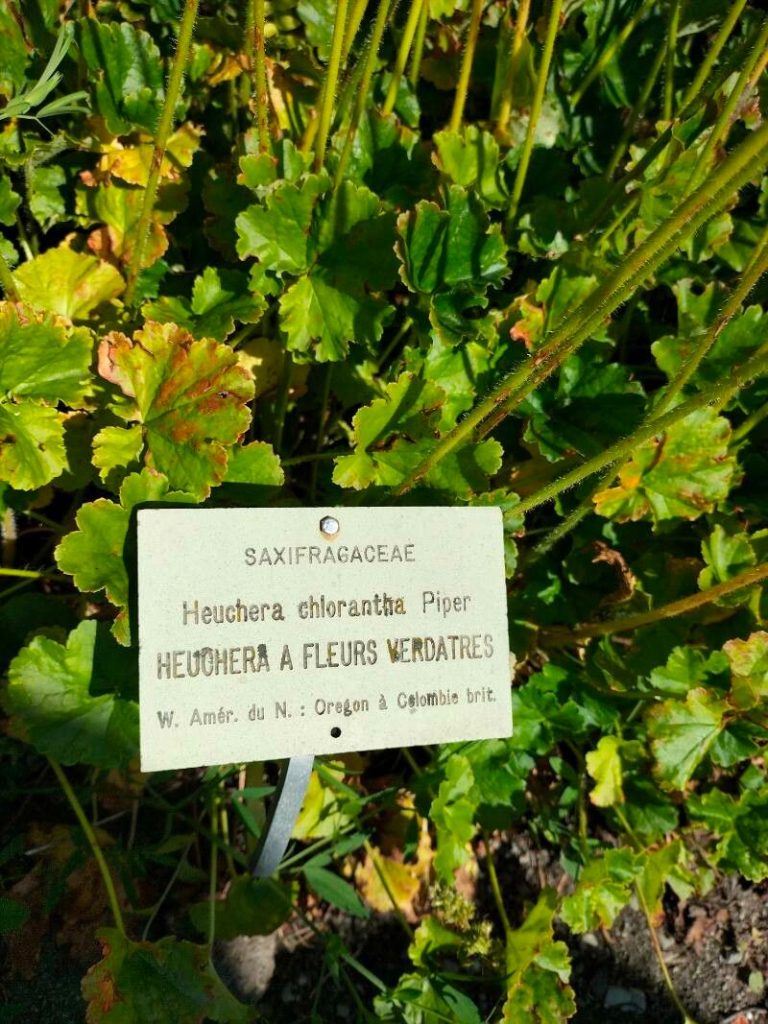
Propagating Heuchera chlorantha: Unveiling the Secrets of Coral Bells
Heuchera chlorantha, commonly known as Coral Bells, is a prized perennial in gardens worldwide. Its delicate, bell-shaped flowers and attractive, often variegated foliage make it a versatile addition to borders, rock gardens, and containers. Its tolerance to a range of conditions contributes to its popularity, but propagating this beauty can present some unique challenges. This article explores various propagation methods, weighing their viability and effectiveness.
Seed Germination:
Currently, there are no known reliable methods for seed germination propagation of Heuchera chlorantha. While seeds may be produced, germination rates are notoriously low and inconsistent, making seed propagation impractical for most gardeners. The hybrid nature of many Heuchera cultivars further complicates matters, as offspring may not exhibit the desirable traits of the parent plant.
Cuttings:
Cuttings offer a more reliable method for propagating Heuchera chlorantha.
- Challenges: Success relies on employing sterile techniques to prevent rot and fungal infections. Rooting hormone significantly increases the likelihood of success.
- Practical Tips: Take stem cuttings in spring or early summer from healthy, non-flowering stems. Use a sharp, sterile blade to cut 4-6 inch lengths, removing lower leaves. Dip the cut ends in rooting hormone and plant them in a moist, well-draining propagation mix (e.g., peat moss and perlite). Maintain high humidity using a humidity dome or plastic bag. Keep the cuttings in bright, indirect light, avoiding direct sunlight. Rooting should occur within 4-6 weeks.
- Rewards: This method preserves the exact genetic characteristics of the parent plant, ensuring that desirable traits are replicated. It’s relatively straightforward compared to other methods.
Division:
Division represents the easiest and most widely employed method for propagating Heuchera chlorantha.
- Challenges: Requires a sufficiently established plant with ample mature roots. Incorrect division can damage the plant, impeding its growth or even killing it.
- Practical Tips: The best time for division is in spring or autumn. Carefully dig up the mature plant, gently separating it into smaller sections, each with its own set of roots and shoots. Replant these divisions immediately, ensuring each has adequate root space and is properly watered. Avoid over-watering in the initial weeks.
- Rewards: Division is relatively quick, simple, and highly successful when done correctly. It provides quick propagation for larger numbers of plants compared to cuttings.
Tissue Culture:
Tissue culture offers the potential for large-scale propagation of Heuchera chlorantha, creating many uniform plants from a single parent.
- Challenges: This method requires a sterile laboratory environment, specialized equipment, and considerable expertise. It is certainly not a method appropriate for the home gardener.
- Practical Tips: Tissue culture involves growing plantlets from small sections of plant tissue in a nutrient-rich agar medium under sterile conditions. This is a complex process best left to nurseries and specialized propagators.
- Rewards: Large-scale propagation is possible, producing clones consistent in their genetic makeup. This is vital for mass production of commercially valuable cultivars.
Conclusion:
Propagating Heuchera chlorantha presents different levels of challenge depending on the chosen method. While seed germination is unreliable, cuttings provide a viable alternative for home gardeners, ensuring genetic consistency. Division remains the simplest and most accessible method for most enthusiasts. Tissue culture, while offering scalability, requires specialized knowledge and resources. The satisfaction of successfully propagating Coral Bells, regardless of the method, comes from mastering a skill and nurturing a plant from a cutting or division into a thriving specimen. Despite the hurdles, the beauty and resilience of Heuchera chlorantha make the effort richly rewarding for the dedicated gardener. So, grab your trowel, and embrace the challenge – the vibrant blooms awaiting you are worth the effort.