
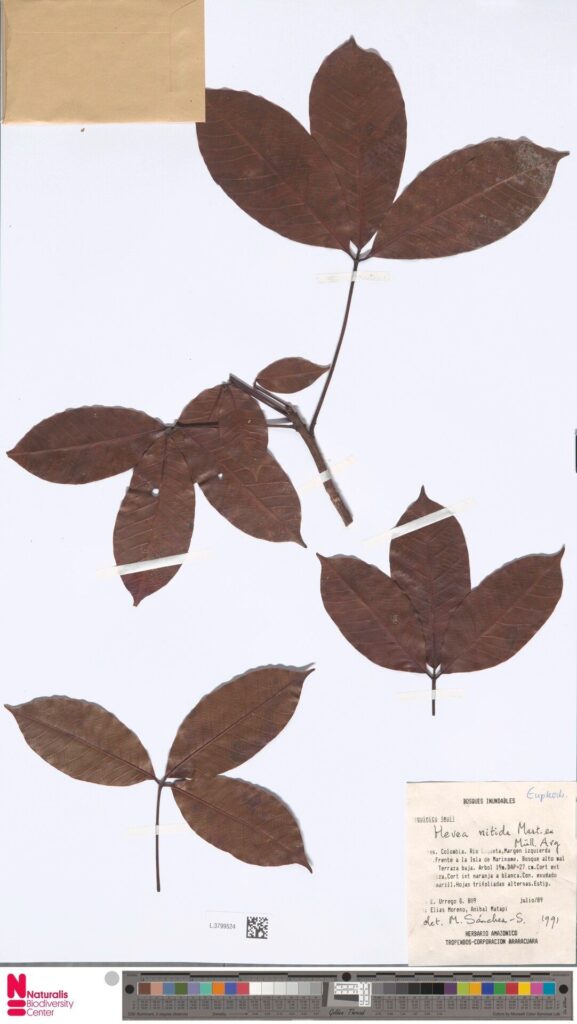
From Seed to Sap: Growing Your Own Rubber Tree (Hevea nitida)
The rubber tree, scientifically known as Hevea nitida, is a fascinating and versatile plant with a rich history. Beyond its rubber-producing fame, it’s a striking tropical tree that can add a touch of the jungle to your home or garden. But how do you get your hands on one of these unique trees? Propagation, the process of creating new plants from existing ones, holds the key.
Seeds: The Simple Start
Rubber trees are typically propagated from seeds. These seeds are housed within large, spiky pods that develop on the tree. Once the pods ripen and split open, you can collect the seeds for planting. They have a relatively short lifespan, so it’s crucial to sow them as soon as possible.
Sowing the Seeds
Prepare a seed tray or pot filled with a well-draining potting mix. The seeds are quite large and need room to germinate. Sow them individually, placing them about an inch deep into the soil. Keep the soil consistently moist but not waterlogged. Germination usually takes a few weeks, with seedlings emerging as a pair of cotyledonary leaves.
The Importance of Sunlight and Heat
Rubber trees are tropical natives and thrive in warm, sunny conditions. Provide your seedlings with plenty of indirect sunlight and a warm environment (around 75°F). You may need to use a grow lamp or heated propagator to mimic these conditions, especially in cooler climates.
Transplanting Time
Once the seedlings have developed a few true leaves (the leaves that follow the initial cotyledons), you can transplant them into larger pots or directly into the ground (if your climate is suitable). Choose a location with well-draining soil and plenty of sunlight.
Vegetative Propagation: A Faster Route
While seed propagation offers a satisfying journey, you can also opt for quicker results through vegetative propagation. This involves using existing plant material to create new plants. Two popular methods are:
-
Cuttings: Take stem cuttings from a healthy rubber tree, ensuring they have several nodes (where leaves grow). Dip the cut end in rooting hormone and plant it in a well-draining potting mix.
- Grafting: This technique involves attaching a cutting (scion) from a desirable rubber tree onto a rootstock from another tree. Grafting allows you to maintain the genetic traits of the scion, resulting in a plant with the desired characteristics.
Caring for Your Rubber Tree
Once established, rubber trees are relatively low-maintenance. They appreciate regular watering, especially during hot and dry periods. Fertilize them with a balanced liquid fertilizer a few times a year. While these trees can grow quite tall (up to 100 feet in the wild), you can control their size by pruning them as needed.
Beyond the Basics
While rubber trees are known for their latex production, this process is best left to commercial farms. The latex is extracted from the bark, and it’s a labor-intensive process. However, you can still be amazed by the beauty of the tree and its distinctive, large, glossy leaves.
Whether you choose to sprout a seed or use vegetative propagation, growing your own rubber tree offers a rewarding experience. It’s a journey that connects you to the fascinating history of this remarkable tree and its vital role in the world of rubber. So go ahead, plant a seed, and witness the magic of rubber unfold in your own backyard!