
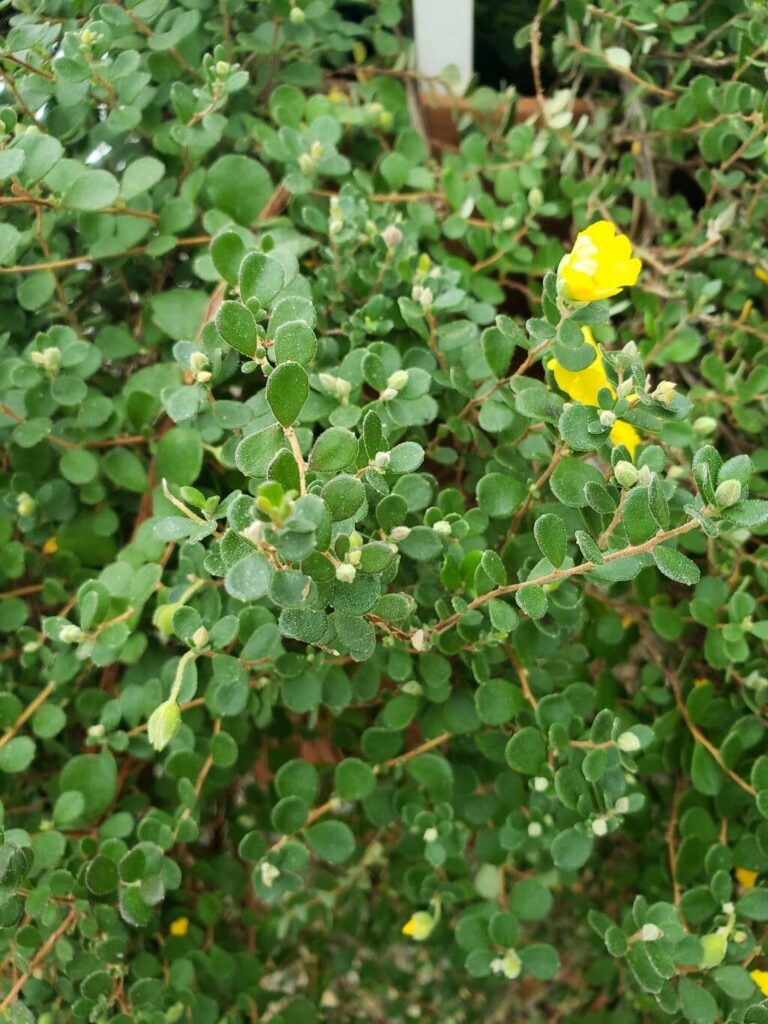
Taming the Rough Beauty: Propagating Hibbertia Aspera
The Hibbertia aspera, also known as the Rough Guinea Flower, is a captivating Australian native known for its cheerful yellow flowers and hardiness. This evergreen shrub, while relatively low-maintenance, can be a stunning addition to your garden with its sprawling habit and abundant blooms. But did you know that propagating this beauty is easier than you think? Let’s unravel the secrets of multiplying your Hibbertia aspera and spreading its sunshine throughout your garden.
Two Paths to Propagation: Seed vs. Cuttings
Hibbertia aspera offers two main paths for propagation: seeds and cuttings. Each method comes with its own set of advantages and challenges, making it important to choose the one that best suits your gardening style and resources.
1. The Seed Route: Embracing the Element of Surprise
Propagating Hibbertia aspera from seeds can be an exciting journey filled with anticipation. While this method requires more patience, it offers the potential for a larger number of plants and allows you to witness the entire life cycle of this fascinating species.
- Collecting the Seeds: After flowering, Hibbertia aspera produces small, dry capsules containing the seeds. Gently collect these capsules once they turn brown and begin to split open.
- Sowing the Seeds: Sow the seeds in a well-draining seed-raising mix, lightly covering them with a thin layer of the mix. Keep the soil consistently moist but not waterlogged.
- Patience is Key: Seed germination can be unpredictable and may take several weeks or even months. Providing a warm, bright location with indirect sunlight will encourage germination.
2. Taking Cuttings: The Path to Clonal Propagation
For a faster and more reliable method, propagating from cuttings is the way to go. This method involves taking a piece of an existing healthy Hibbertia aspera plant and encouraging it to develop roots, effectively creating a clone of the parent plant.
- Selecting the Right Cuttings: Choose healthy, non-flowering stems from the current season’s growth. Cuttings should ideally be around 10-15cm long and taken at a slight angle, just below a leaf node.
- Preparing the Cuttings: Remove the lower leaves from the cutting, leaving only a few leaves at the top. Dip the cut end in rooting hormone powder to encourage root development (optional but recommended).
- Planting and Caring for Cuttings: Plant the cuttings in a well-draining potting mix, ensuring the leaf nodes where you removed the leaves are buried. Water well and place in a warm, bright location with indirect sunlight.
- Rooting Success: Keep the soil consistently moist but avoid overwatering. You’ll know your cuttings have successfully rooted when you observe new growth.
Nurturing Your New Hibbertia Aspera Plants
Once your seeds have germinated or your cuttings have rooted, it’s time to gradually acclimate them to outdoor conditions. This process, known as “hardening off,” involves slowly introducing them to increasing amounts of sunlight and wind over a week or two. Once acclimated, these young Hibbertia aspera plants can be planted in their permanent positions in your garden.
Whether you choose to propagate from seed or cuttings, the process of multiplying your Hibbertia aspera can be a rewarding experience. So, embark on this botanical adventure and fill your garden with the radiant charm of this resilient Australian native!