
Propagating Hibbertia emarginata: A Gardener’s Guide to the Guinea Flower
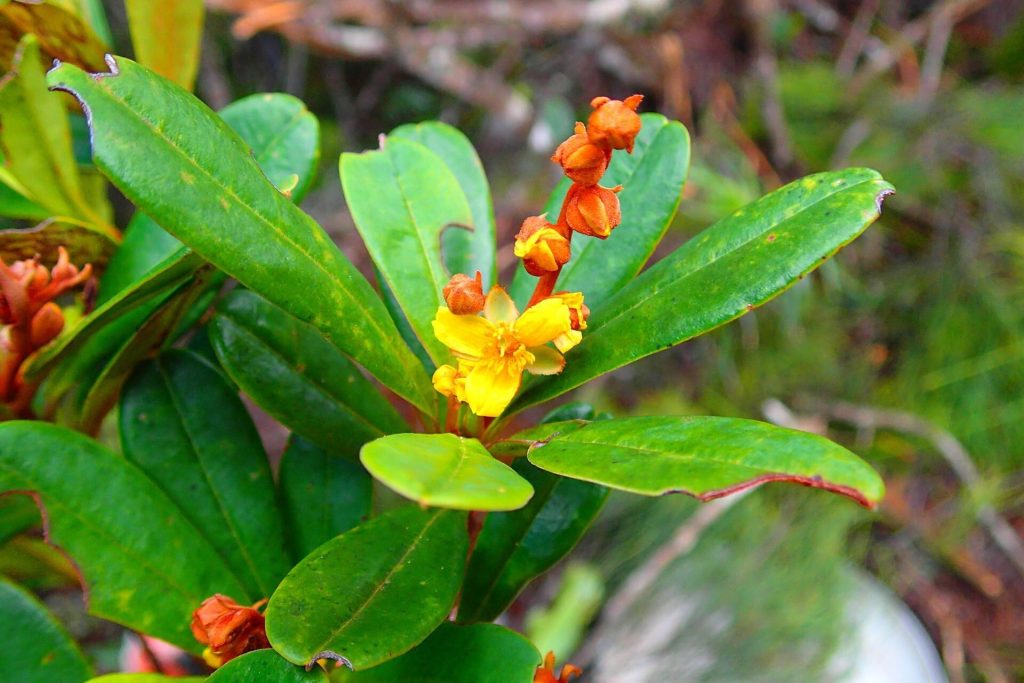
Hibbertia emarginata, commonly known as the Guinea Flower, is a captivating Australian native shrub prized for its vibrant yellow, cup-shaped flowers and delicate foliage. Its compact habit makes it suitable for a range of garden settings, from rock gardens to borders, increasing its popularity among gardeners. However, propagating this charming plant can present unique challenges. This article explores various propagation methods, outlining their viability and offering practical advice for successful cultivation.
Seed Germination:
Currently, there are no known reliable methods for seed germination propagation of Hibbertia emarginata. While seeds may be produced, their germination rate is notoriously low, and successful germination has not been consistently replicated. Further research into specific germination requirements, such as scarification or specific temperature and light conditions, is needed.
Cuttings:
Cuttings offer a more reliable method for propagating Hibbertia emarginata.
Challenges: The success rate can vary depending on the timing and technique employed. Hardwood cuttings are generally preferred, but even these can be slow to root.
Practical Tips: Take semi-hardwood cuttings in late spring or early summer from the current year’s growth. Use a sharp, clean knife or secateurs to obtain cuttings approximately 8-10cm long, removing lower leaves to prevent rotting. Dip the cut ends in a rooting hormone powder before planting in a well-draining mix of perlite and vermiculite or a specialized propagation mix. Maintain high humidity using a humidity dome or plastic bag and provide bright, indirect light. Consistent moisture is crucial, but avoid overwatering which can lead to fungal diseases.
Rewards: This method offers a relatively quick way to obtain genetically identical plants, retaining the desirable characteristics of the parent plant.
Division:
Division is another viable propagation method, particularly for established plants.
Challenges: This method is less suitable for younger plants and can cause stress to the parent plant if not done carefully.
Practical Tips: Carefully dig up the mature plant during its dormant period (autumn or winter). Gently separate the root ball into smaller sections, ensuring each division has sufficient roots and healthy stems. Replant the divisions immediately, ensuring proper soil drainage and watering.
Rewards: Division is a straightforward method requiring minimal specialized equipment. It produces relatively mature plants quicker than cuttings.
Tissue Culture:
Tissue culture offers the potential for rapid and large-scale propagation of Hibbertia emarginata.
Challenges: This method requires specialized equipment, sterile conditions, and technical expertise, making it less accessible to the average home gardener. The establishment of a suitable culture medium and growth protocols specific to Hibbertia emarginata might require experimentation.
Practical Tips: This method should be undertaken in a controlled laboratory environment using sterile techniques. Appropriate media formulations and growth regulators will need to be carefully determined through experimentation.
Rewards: Tissue culture offers the potential to mass produce genetically uniform plants efficiently, ideal for commercial production or conservation efforts.
Conclusion:
Propagating Hibbertia emarginata presents unique challenges across all methods. While seed germination proves unreliable currently, cuttings and division offer viable options for home gardeners, albeit with patience and attention to detail. Tissue culture presents a solution for large-scale propagation but requires specialized expertise and resources. Despite the difficulties, the reward of successfully cultivating this stunning native shrub is immense, offering a deep sense of accomplishment and the satisfaction of nurturing life from a small cutting or division. For aspiring propagators, persistence, careful observation, and a willingness to experiment will pave the way to success in cultivating this beautiful Australian native. Remember to research your specific local climate and adjust the propagation technique accordingly.