
Propagating Hibbertia lucens: A Guide to Cultivating the Shining Guinea Flower
Introduction:
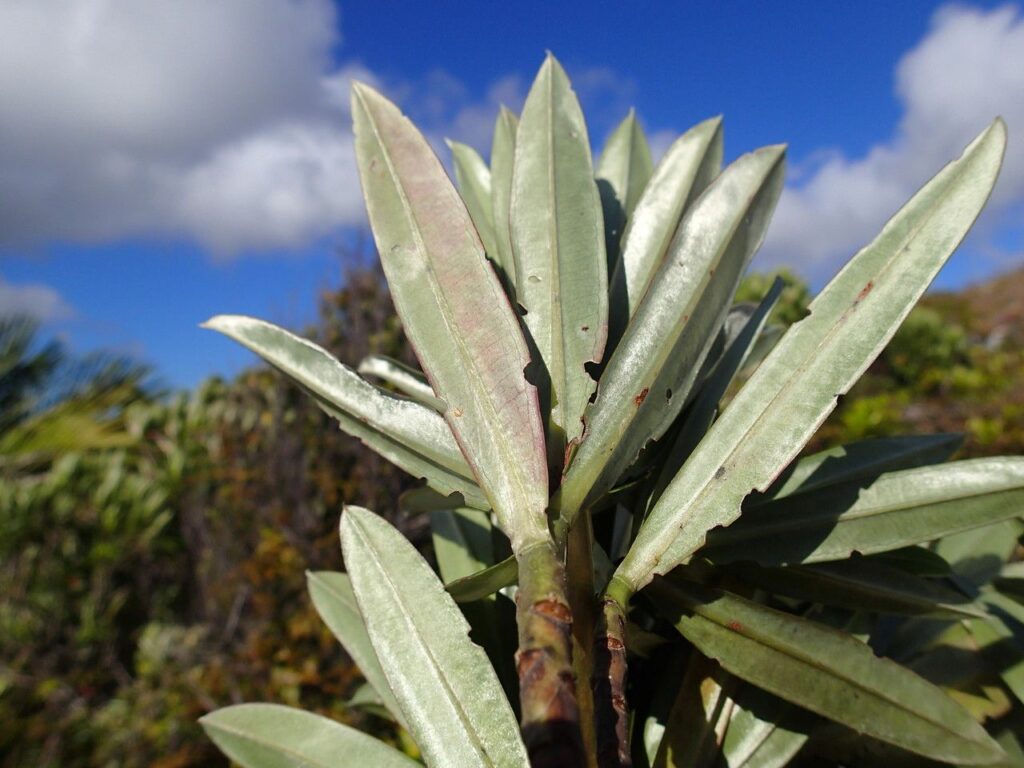
Hibbertia lucens, commonly known as the Shining Guinea Flower, is a captivating Australian native shrub prized for its vibrant, bright yellow flowers and glossy, leathery foliage. Its compact habit and relatively low maintenance requirements have made it a popular choice among gardeners seeking hardy, attractive additions to their landscapes. However, propagating Hibbertia lucens can present some challenges, making successful cultivation all the more rewarding. While seed propagation can be unpredictable, other methods offer more reliable results.
Seed Germination:
Currently, there are no known reliable methods for seed germination propagation of Hibbertia lucens. While seeds may be produced, germination rates are notoriously low, and successful establishment of seedlings is rarely achieved. Further research is needed to determine optimal germination conditions, potentially including pre-treatment techniques like scarification or specific temperature stratification.
Cuttings:
Cuttings represent a more reliable method for propagating Hibbertia lucens.
Challenges: The main challenge lies in achieving the right balance of humidity and preventing fungal diseases. Hardwood cuttings are generally less successful than semi-hardwood cuttings taken from new growth.
Practical Tips: Take semi-hardwood cuttings (approximately 8-10cm long) in spring or early summer from healthy, non-flowering stems. Remove lower leaves, dip the cut end in a rooting hormone powder, and plant in a well-draining, sterile propagation mix (e.g., a mix of perlite and vermiculite). Maintain high humidity using a propagator or plastic bag, ensuring good ventilation to prevent fungal growth. Keep the cuttings moist but not waterlogged.
Rewards: Cuttings offer a high chance of success compared to seed, allowing for the rapid multiplication of desirable plants. This method preserves the genetic characteristics of the parent plant, allowing gardeners to easily replicate their prized specimens.
Division:
Division of established Hibbertia lucens plants is a viable option, but limited by plant size and the potential for damage to the root system.
Challenges: Hibbertia lucens doesn’t readily lend itself to division because it often has a deep taproot system. Forcing division can severely stress the plant and reduce the chance of survival.
Practical Tips: Division should only be attempted on relatively mature plants with well-established root systems. Carefully dig up the plant, gently separate the root ball into smaller portions ensuring each portion has sufficient root mass and stems. Replant immediately in well-prepared soil, ensuring adequate watering.
Rewards: Division is a relatively quick and easy method when feasible, allowing for the multiplication of a plant without the need for specialized equipment or techniques.
Tissue Culture:
Tissue culture offers the potential for large-scale propagation of Hibbertia lucens, bypassing the challenges of seed germination and the limitations of cuttings and division.
Challenges: Tissue culture requires specialized equipment, a sterile environment, and expertise in plant tissue culture techniques. Developing optimized protocols for Hibbertia lucens may require significant experimentation.
Practical Tips: The procedure typically involves taking small samples of plant tissue (e.g., shoot tips, leaf sections), sterilizing them, and culturing them on specialized nutrient media. Maintaining sterile conditions throughout the process is crucial, and regular subculturing is needed for mass multiplication.
Rewards: Tissue culture offers the highest potential for large-scale propagation and the preservation of genetic material, ensuring fast and consistent multiplication of desirable plants.
Conclusion:
Propagating Hibbertia lucens presents a range of challenges, with seed germination proving unreliable. However, cuttings, division (when feasible), and tissue culture offer viable alternatives. The choice of method depends on available resources, experience, and the desired scale of propagation. While cuttings provide a reasonably straightforward approach for the home gardener, tissue culture unlocks the potential for broader cultivation. The satisfaction derived from successfully propagating this beautiful Australian native, especially following the initial hurdles, transcends the difficulties encountered. The success itself is a testament to the gardener’s patience, perseverance, and understanding of this unique plant. Don’t be discouraged by initial setbacks – with careful attention to detail and a willingness to experiment, aspiring propagators can experience the unique joy of nurturing and sharing the beauty of Hibbertia lucens.