
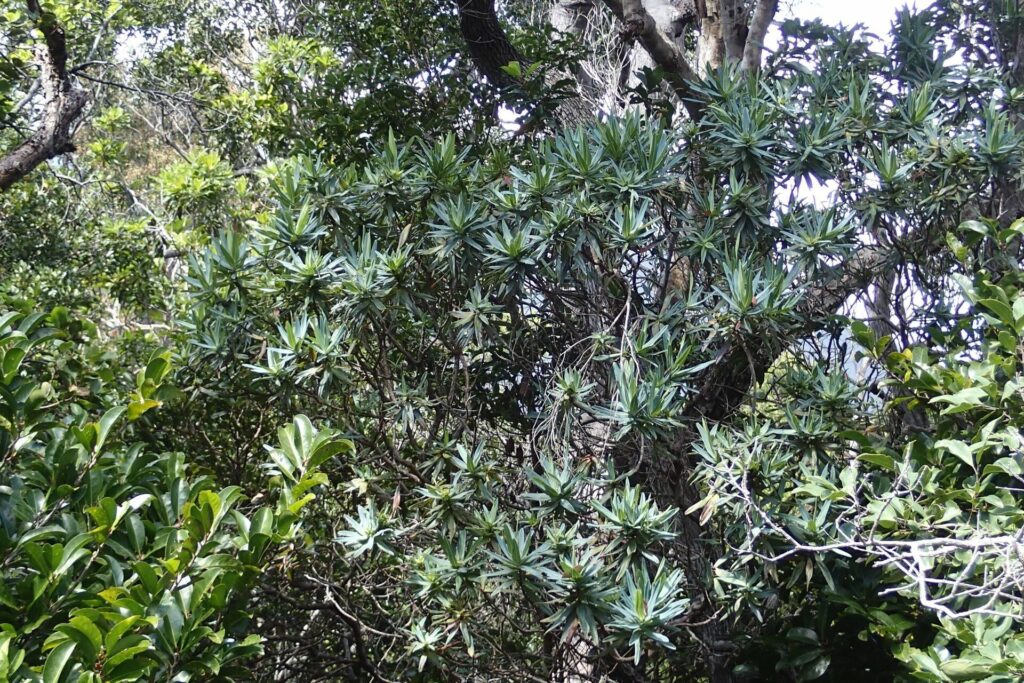
Unlocking the Secrets of Hibbertia rubescens: A Guide to Propagation
Hibbertia rubescens, with its charming, bright yellow blooms and delicate foliage, is a true gem in the garden. But acquiring these beautiful plants can be difficult, as they are not readily available in many nurseries. Fortunately, propagation – the art of creating new plants from existing ones – offers a wonderful solution. Whether you’re a seasoned gardener or just starting, this guide will walk you through the process of successfully propagating your own Hibbertia rubescens.
Let’s start with the basics: Hibbertia rubescens can be propagated through two primary methods: seed propagation and cuttings. Each method has its own advantages and challenges, so let’s delve into the details:
1. Seed Propagation: A Patient Gardener’s Delight
- Pros: Seeds are readily available from specialized nurseries or online retailers, and they are a relatively inexpensive way to acquire new plants.
- Cons: Seed propagation requires patience, as germination can take several weeks or even months.
Steps for Seed Propagation:
- Prepare your seedling mix: Choose a well-draining mix designed for seeds.
- Sowing the seeds: Sow seeds on the surface of the mix, gently pressing them down.
- Provide adequate light and warmth: Place the seed tray in a warm, sunny location, ideally under a grow lamp.
- Maintain moisture: Keep the soil moist but not soggy, and expect germination within a few weeks to a few months, depending on conditions.
- Transplanting: Once seedlings have developed a few true leaves, carefully transplant them into individual pots.
2. Cuttings: A Faster, More Efficient Approach
- Pros: This method offers a faster way to create new plants from your existing Hibbertia rubescens.
- Cons: Requires slightly more effort, as you’ll need to take cuttings and care for them in specific conditions.
Steps for Propagation by Cuttings:
- Choose healthy stems: Select young, non-flowering stems, ideally approximately 3-4 inches long.
- Prepare your cuttings: Make a clean cut at a 45-degree angle just below a node (where leaves grow).
- Remove lower leaves: Remove any leaves that will be below the soil line.
- Root hormone: Dip the cut end of your cutting in rooting hormone for better success.
- Planting: Place the cuttings in a well-draining potting mix, ensuring the node remains above the soil line. Use a small pot or propagation tray for each cutting.
- Create a humid environment: Place cuttings in a greenhouse, propagation dome, or cover them with a plastic bag to maintain humidity.
- Provide adequate light: Ensure the cuttings receive indirect sunlight.
- Maintain moisture: Keep the soil moist until roots develop.
- Transplant: Once roots have established, carefully transplant the cuttings into larger pots or your garden.
Extra Tips for Success
- Timing is key: The best time for propagation is usually in the spring or late summer when plants are actively growing.
- Use sterilized tools: Be sure to sterilize your tools before and after each use to prevent the spread of diseases.
- Practice patience: Don’t be discouraged if it takes some time for your cuttings or seeds to root. Remember, every plant grows at its own pace!
By following these simple steps, you can successfully propagate your own Hibbertia rubescens, ensuring that this beautiful plant graces your garden for years to come. You’ll not only enjoy its vibrant blooms but also gain a deep appreciation for the process of bringing new life into the world!