
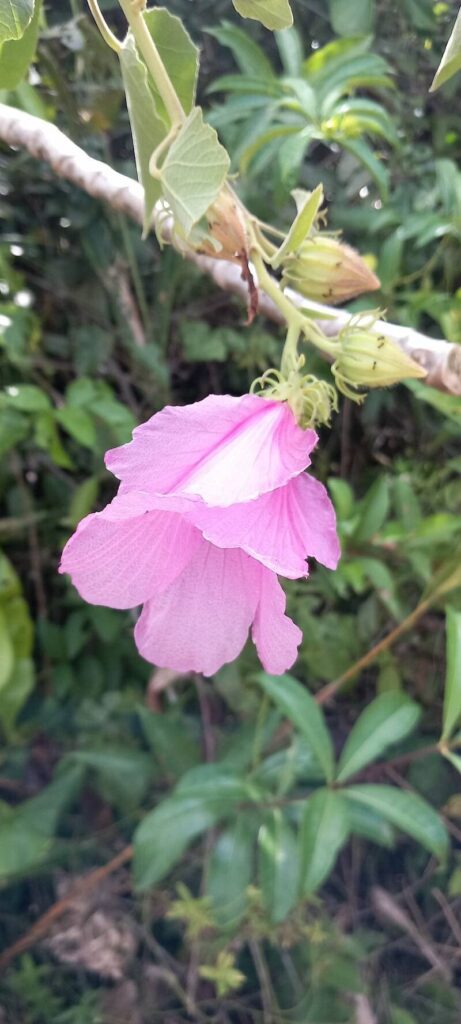
Branching Out: How to Propagate the Unique Hibiscus bifurcatus
The Hibiscus bifurcatus, also known as the Forked Rosemallow, is a captivating plant with its intriguing split petals and vibrant blooms. Native to eastern and southern Africa, this hibiscus variety brings a touch of the exotic to any garden. While admiring its beauty is a joy, there’s a special satisfaction in multiplying your collection through propagation. Fortunately, the Hibiscus bifurcatus is relatively easy to propagate, allowing even novice gardeners to expand their floral horizons.
Let’s explore the two most effective methods:
1. Stem Cuttings: A Step-by-Step Guide
Propagating from stem cuttings is the most common and reliable method for Hibiscus bifurcatus. Here’s a breakdown:
- Timing is Key: The best time for taking cuttings is during the active growing season, ideally in spring or early summer.
- Selecting the Right Cuttings: Look for healthy, non-flowering stems that are about 4-6 inches long. Using clean, sharp pruning shears, make a cut just below a leaf node (where the leaf joins the stem).
- Preparing the Cuttings: Remove the leaves from the bottom third of the cutting. If desired, you can dip the cut end in rooting hormone powder to encourage faster root development.
- Planting and Care: Plant the cuttings in a well-draining potting mix, burying the bottom node. Water well and place the pot in a bright location, out of direct sunlight.
- Creating a Humid Environment: To boost the success rate, cover the pot with a clear plastic bag or use a propagation dome to maintain humidity. This helps to prevent the cuttings from drying out.
- Patience is a Virtue: Keep the soil consistently moist but not waterlogged. Roots should develop in 4-6 weeks. Once you see new growth, it’s a sign that your cuttings have successfully rooted.
2. Seed Propagation: A More Adventurous Route
While slightly less predictable than stem cuttings, growing Hibiscus bifurcatus from seed can be a rewarding experience. Here’s how:
- Seed Collection: Allow seed pods to dry completely on the plant before collecting. The pods will turn brown and split open when the seeds are ready.
- Seed Preparation: Soak the seeds in warm water for 24 hours before sowing. This helps to soften the seed coat and improve germination rates.
- Sowing the Seeds: Sow the seeds in seed trays or small pots filled with a well-draining seed-starting mix. Lightly cover the seeds with soil and mist with water.
- Providing Optimal Conditions: Place the seed trays in a warm, bright location, out of direct sunlight. Keep the soil consistently moist but not waterlogged.
- Germination Time: Germination can take anywhere from a few weeks to a couple of months, so patience is key.
- Transplanting Seedlings: Once the seedlings have developed a few sets of true leaves, you can transplant them into individual pots or outdoors into a prepared garden bed.
Final Thoughts
Propagating your own Hibiscus bifurcatus is a rewarding process that allows you to expand your garden with minimal cost and maximum satisfaction. By following these simple steps and exercising patience, you’ll soon have an abundance of these charming, split-petaled beauties to enhance your outdoor space.