
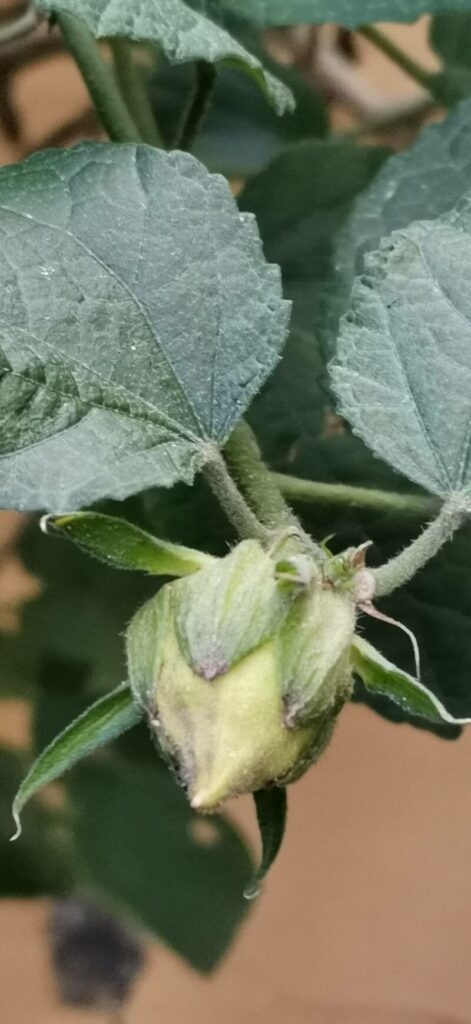
Unleash the Sunny Charm of Hibiscus calyphyllus: A Propagation Guide
Hibiscus calyphyllus, also known as the “Trailing Hibiscus” or “Sunnybell Hibiscus,” captivates with its vibrant yellow blooms and lush foliage. Unlike its tropical cousins, this hibiscus variety hails from Africa and tolerates cooler temperatures, making it an excellent choice for diverse climates. Want to expand your sunny garden haven with more of these beauties? Propagation is surprisingly straightforward! Let’s explore the methods to multiply your Hibiscus calyphyllus.
Method 1: Seed Starting for the Patient Gardener
- When: Spring (after the last frost)
- Pros: Relatively easy, great for producing multiple plants.
- Cons: Can take longer to see blooms compared to cuttings.
- Source your seeds: Harvest mature seed pods from an existing plant or purchase them from a reputable supplier.
- Prepare the seedbed: Use a seed starting mix that is well-draining.
- Sow the seeds: Gently press the seeds into the soil, about ¼ inch deep. Lightly mist the soil, ensuring it remains consistently moist but not waterlogged.
- Provide warmth and light: Place the seed tray in a warm location (around 70-75°F) with bright, indirect light. A seedling heat mat can be beneficial.
- Transplanting: Once the seedlings develop a few sets of true leaves (usually 6-8 weeks), transplant them into individual pots or outdoors after the last frost.
Method 2: Cuttings for Quicker Blooms
- When: Spring or early summer
- Pros: Faster results, offspring identical to the parent plant.
- Cons: Requires more specific care, lower success rate than seeds.
- Select healthy stems: Choose non-flowering stems, about 4-6 inches long, from the current year’s growth.
- Prepare the cuttings: Remove the bottom leaves, leaving only 2-3 leaves at the top.
- Optional: Rooting hormone: Lightly dip the cut end in rooting hormone to encourage root development (this increases the success rate, but is not strictly necessary).
- Planting medium: Insert the cuttings into a well-draining potting mix, ensuring at least one node is buried below the soil line.
- Create humidity: Cover the pot with a plastic bag or use a humidity dome to maintain moisture.
- Provide indirect light and warmth: Place the cuttings in a brightly lit area, out of direct sunlight. Bottom heat (using a heat mat) can boost root development.
- Transplanting: After about 4-6 weeks, gently tug on the cuttings. If you feel resistance, roots have formed! Transplant the rooted cuttings into individual pots or your garden.
Essential Hibiscus calyphyllus Propagation Tips
- Well-draining soil: This is crucial for both seeds and cuttings to prevent root rot.
- Consistent moisture: Keep the soil consistently moist but never soggy.
- Patience is key: While cuttings provide quicker results, both methods require patience and a bit of TLC.
Propagating your Hibiscus calyphyllus is a rewarding way to multiply your collection and share these cheerful blooms. So, why not give it a try? With a little care and attention, you’ll soon have a garden overflowing with the golden radiance of these beautiful hibiscus flowers.