
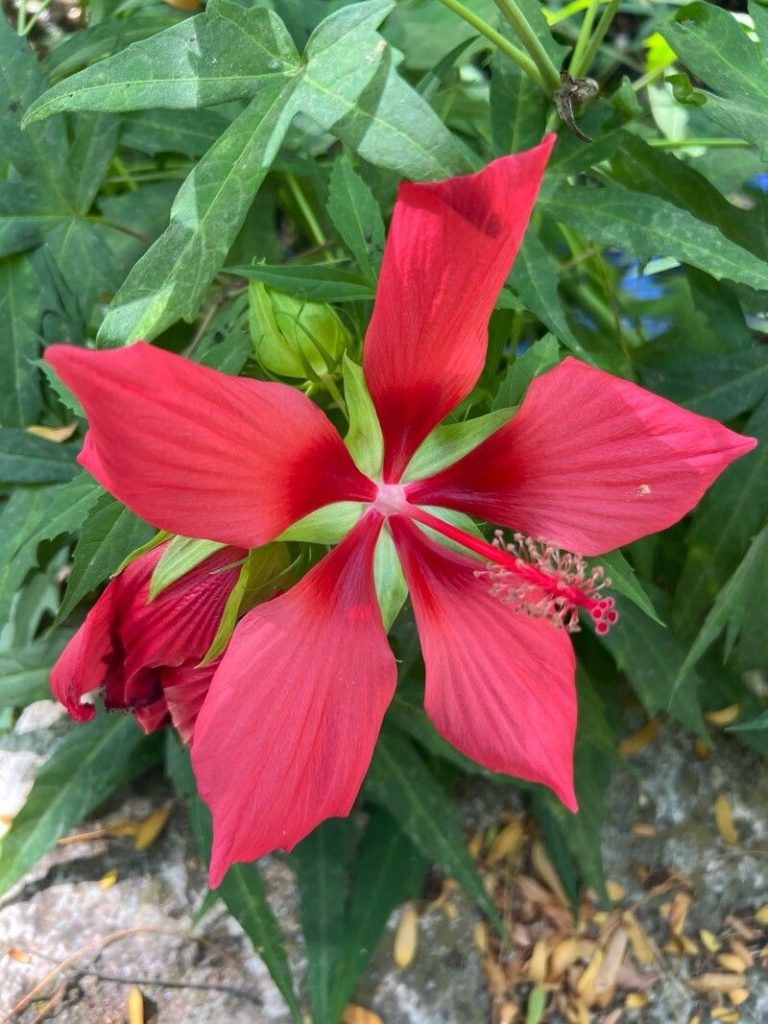
Propagating the Scarlet Rosemallow: Unveiling the Secrets of Hibiscus coccineus
Hibiscus coccineus, commonly known as the scarlet rosemallow, is a striking perennial boasting vibrant crimson flowers and tall, slender stalks. Its dramatic appearance makes it a prized addition to water gardens and wetland landscapes, capturing the attention of gardeners worldwide. Its unique characteristics, including a relatively tall growth habit and the captivating scarlet blooms, make it both a challenge and a reward to propagate. While its propagation can be trickier than some other Hibiscus species, the breathtaking result makes the effort worthwhile.
Seed Germination:
Currently, there are no known reliable methods for seed germination propagation of Hibiscus coccineus. While seeds may be produced, their germination is notoriously low and unpredictable, making this method impractical for most gardeners.
Cuttings:
Cuttings represent a more reliable method for propagating Hibiscus coccineus.
Challenges: The success rate can vary depending on the timing and technique. Using semi-hardwood cuttings taken in late summer or early autumn often yields the best results.
Practical Tips: Take cuttings of about 4-6 inches long, removing lower leaves to prevent rot. Treat the cut ends with a rooting hormone to stimulate root development. Plant the cuttings in a well-draining mix of perlite and peat moss, keeping the soil consistently moist but not waterlogged. High humidity is crucial; covering the cuttings with a clear plastic bag or humidity dome helps maintain moisture and warmth.
Rewards: Cuttings provide a quicker method of propagation compared to other techniques, allowing gardeners to quickly increase their stock of this desirable plant. It maintains the genetic characteristics of the parent plant.
Division:
Division is another feasible propagation method for Hibiscus coccineus, particularly for established plants.
Challenges: Successful division requires careful handling to avoid damaging the plant’s root system. It is best undertaken in the spring or early autumn when the plant is actively growing or entering dormancy.
Practical Tips: Dig up the mature plant carefully, ensuring that you have a sharp, clean tool to help separate the root clump. Divide the plant into sections, ensuring each section possesses healthy roots and shoots. Replant the divisions immediately, ensuring they are spaced appropriately. Water thoroughly after division.
Rewards: Division provides a relatively simple and quick way to multiply your stock of scarlet rosemallow, especially if you already have a mature plant.
Tissue Culture:
Tissue culture offers a potential method for large-scale propagation of Hibiscus coccineus, though this method requires specialized equipment and expertise.
Challenges: Requires a sterile environment and specialized knowledge of plant tissue culture techniques. It entails higher initial costs compared to other propagation methods.
Practical Tips: This method is best left to professional nurseries or laboratories which possess the appropriate facilities and expertise. Sterile conditions are critical to prevent contamination.
Rewards: Tissue culture allows for rapid propagation of a large number of identical plants, preserving genetic traits and enabling wider distribution.
Conclusion:
Propagating Hibiscus coccineus presents several challenges, with seed germination proving unreliable. Cuttings and division offer viable options for most home gardeners, providing rewards in the form of new plants that mirror the parent plant’s characteristics. Tissue culture offers a path to mass production but necessitates specialized knowledge and resources. Despite the difficulties involved, the successful cultivation of this magnificent plant from cuttings or by division yields a unique sense of accomplishment and the pleasure of displaying its striking blooms in your garden—a testament to your gardening prowess. Don’t be discouraged by initial setbacks; with patience and careful technique, the rewards of propagating this stunning plant are well worth the effort.