
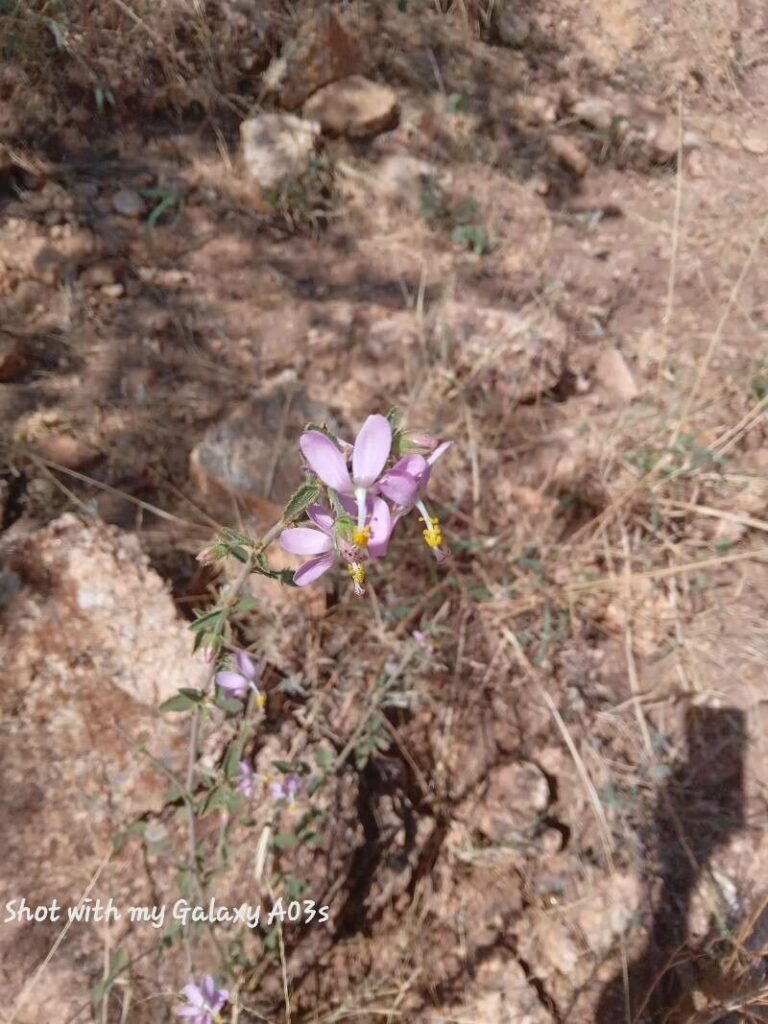
From One to Many: Propagating Your Hibiscus meyeri
Hibiscus meyeri, with its vibrant blooms and captivating foliage, is a joy to behold in any garden. But what if you could share this beauty, expanding your collection or gifting it to loved ones? Enter the world of propagation, a fascinating technique that allows you to create new plants from existing ones.
While you can purchase Hibiscus meyeri plants, propagation offers a rewarding and cost-effective way to cultivate new additions. This blog delves into the art of propagating Hibiscus meyeri, empowering you to unlock its multiplying potential.
Choosing the Right Method:
Hibiscus meyeri lends itself well to two primary methods:
- Cuttings: This involves taking stem pieces from a healthy plant and encouraging them to develop roots.
- Air Layering: This method involves inducing root development on a stem while it’s still attached to the parent plant.
The Art of Cuttings:
This method is relatively straightforward. First, select a healthy, non-flowering stem from your Hibiscus meyeri. Use clean, sharp shears or pruning shears to take a cutting about 4-6 inches long, ensuring it has at least two nodes – the points where leaves emerge.
- Prepare the Cutting: Remove the bottom two sets of leaves to expose the nodes. Dip the cut end of the stem into a rooting hormone solution, which stimulates root growth.
- Start It Off: Prepare a pot with a well-draining potting mix that includes perlite or vermiculite for aeration. Place the prepared cutting into the mix, supporting it with a stake if needed.
- Time for Roots: Cover the pot with a clear plastic bag or dome to create a humid environment. Position it in a bright but indirect location, avoiding direct sunlight. Maintain consistent moisture but don’t overwater. Roots should begin to emerge within 4 to 6 weeks.
Embrace Air Layering:
This method involves coaxing roots to grow from the stem while it’s still attached to the parent plant. First, select a healthy, mature stem.
- Make the Cut: Use a sharp knife to make a shallow ring-shaped cut around the stem, just below a node – the point where a leaf or branch emerges.
- Stimulation: Carefully peel away the bark in the area of the cut, exposing the cambium layer – the tissue responsible for growth. Apply rooting hormone powder to this exposed area.
- Wrap and Seal: Surround the cut area with damp sphagnum moss or a rooting medium like perlite. Cover the moss with plastic wrap, sealing the ends with twist ties. Ensure proper ventilation.
- Time for Roots: Keep the moss moist but not soggy. Roots will start to develop within several weeks. It’s crucial to note that the time required can vary depending on several factors.
From Rooting to Planting:
Once roots have established, you can carefully remove the cutting (or air layered stem) from its growing medium. Plant the new specimen in a pot or garden bed filled with well-draining soil.
Nurturing Your New Additions:
Newly propagated Hibiscus meyeri are fragile and require careful nurturing. Provide them with consistent moisture, bright indirect light, and protection from pests and diseases.
More Than Just a Garden Technique:
Propagating Hibiscus meyeri is not just about creating new plants. It’s a rewarding journey of observation, experimentation, and connection with nature. It allows you to experience the intricacies of plant growth and cultivate a newfound appreciation for these vibrant beauties.
So, are you ready to unleash the power of propagation? Embrace the journey, and enjoy the satisfaction of watching your Hibiscus meyeri flourish from a single stem into a thriving collection.