
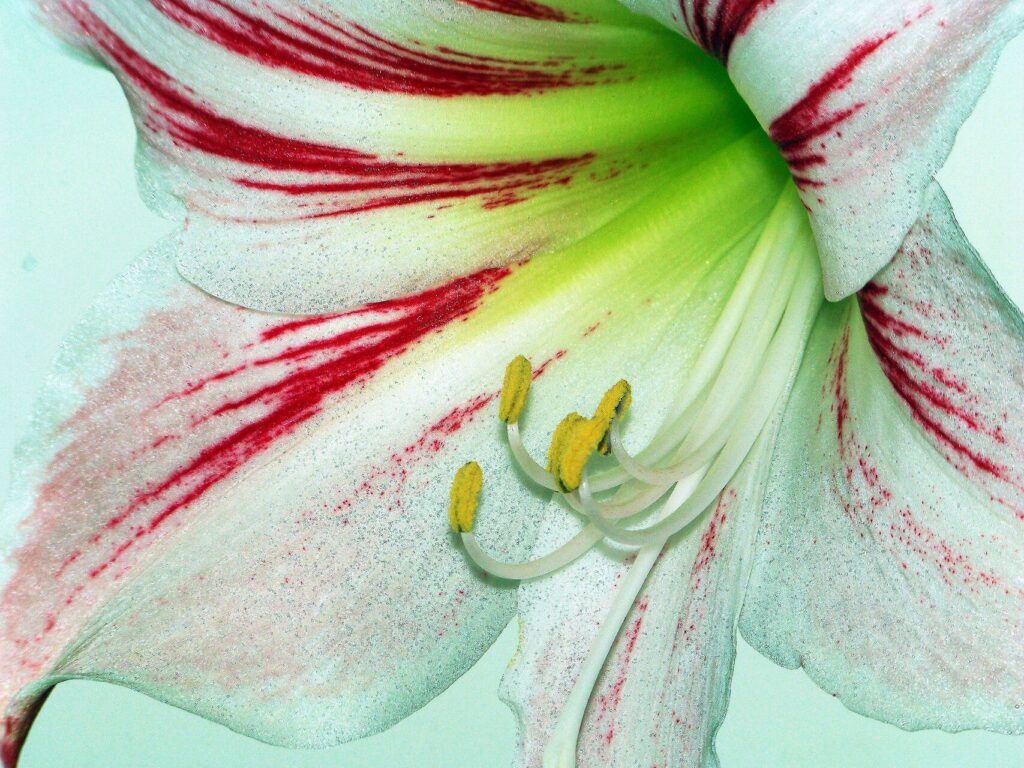
Unlocking the Secrets of Hippeastrum Vittatum Propagation: Grow a Showstopping Amaryllis Army!
Hippeastrum vittatum, better known as the Striped Barbados Lily or simply Amaryllis, reigns supreme among flowering bulbs for its colossal, trumpet-shaped blooms. While enjoying their vibrant colors is a treat, wouldn’t it be amazing to multiply your floral majesty without breaking the bank? Enter propagation, a surprisingly easy process that turns one stunning plant into a breathtaking army of blooms!
Two Paths to Propagation Paradise
Hippeastrum vittatum offers two primary propagation methods, each with its own advantages:
1. Offsets – Clones of Floral Splendor:
Just like their name suggests, offsets are miniature versions of the parent plant that sprout alongside the main bulb. As the parent bulb matures, you’ll notice these baby bulbs emerging. Here’s how to give them their own spotlight:
- Timing is Key: The ideal time to separate offsets is during the dormant season, after the foliage has naturally yellowed and withered.
- Gentle Separation: Carefully dig up the entire clump and gently tease apart the offsets from the mother bulb.
- Potting Up: Plant the offsets individually in well-draining potting mix, ensuring the neck of the bulb sits slightly above the soil line. Water sparingly until new growth emerges.
2. Seeds – Embracing the Element of Surprise:
For the adventurous gardener, seed propagation offers an exciting journey with the potential for unique blooms. Here’s how to embark on this botanical adventure:
- Pollination Power: Hand-pollinate your Amaryllis flowers by transferring pollen from the stamen of one flower to the stigma of another. Successful pollination will result in a seed pod.
- Seed Collection: Allow the seed pod to fully mature and dry on the plant before collecting the seeds.
- Sowing the Seeds: Sow the fresh seeds in a seed-starting mix, lightly covering them with soil. Keep the soil moist and provide bright, indirect light.
Patience is a Virtue (and a Necessity!)
While offsets can produce blooms within a year or two, be prepared to exercise patience with seed-grown Amaryllis. It can take anywhere from 3 to 5 years for these seedlings to mature and flower.
Tips for Propagation Triumph:
- Well-Draining Soil: Amaryllis loathes soggy roots. Use a well-draining potting mix to prevent bulb rot.
- Light is Life: Provide your Amaryllis with bright, indirect light throughout the growing season.
- Feeding Frenzy: During active growth, fertilize regularly with a balanced liquid fertilizer to fuel those magnificent blooms.
- The Winter Rest: Amaryllis require a period of dormancy. Reduce watering in the fall as the foliage naturally declines. Store the bulbs in a cool, dark place for 6-8 weeks before replanting.
Reap the Rewards of Your Labor
Propagating your Hippeastrum vittatum is not only a cost-effective way to expand your plant family but also an incredibly rewarding experience. With a little care and patience, you’ll soon be surrounded by an awe-inspiring symphony of color, a testament to your green thumb prowess!