
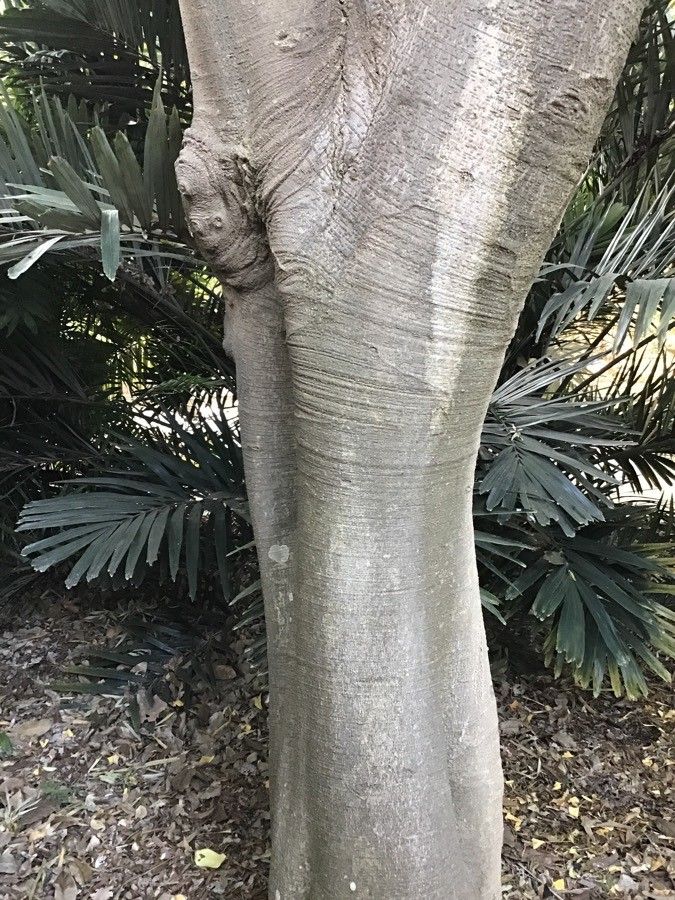
Taming the Toxic Temptress: Propagating the Manchineel Tree (Hippomane Spinosa)
The Manchineel tree (Hippomane spinosa) is a fascinating study in contradictions. Deemed the most dangerous tree in the world by the Guinness Book of World Records, its very presence inspires a cautious awe. Yet, for all its toxicity, the Manchineel plays a vital role in its ecosystem and holds a certain allure for intrepid plant enthusiasts.
While we absolutely don’t recommend cultivating this tree, understanding its propagation offers a glimpse into the captivating world of botanical survival strategies. So, if you’re curious about how this “toxic temptress” ensures its lineage continues, read on.
Seeds: A Hazardous Gamble
The Manchineel primarily propagates through its fruit, small greenish-yellow apples deceptively resembling crabapples. These fruits, highly poisonous to humans and many animals, contain seeds that are dispersed through various means.
- Ocean Currents: Being a coastal inhabitant, the Manchineel utilizes ocean currents for seed dispersal. The fruits float, carrying the seeds to new shores where they can potentially germinate and establish themselves.
- Animal Assistance: Surprisingly, some creatures are immune to the Manchineel’s toxins. Certain crabs and iguanas are known to consume the fruits, aiding in seed dispersal through their droppings.
However, germinating Manchineel seeds at home is not a task for the faint of heart – or the unprotected gardener. Proper protective gear is essential, and even then, accidental exposure can have severe consequences.
Cuttings: A Less Treacherous Approach
Propagation through cuttings offers a slightly less daunting, albeit still risky, alternative. This method involves taking a section of the Manchineel’s stem and encouraging it to develop roots.
- Timing is Key: Cuttings are best taken during the tree’s active growing season, ideally in spring or early summer.
- Protecting Yourself and the Cutting: Wear gloves and protective clothing throughout the process. Utilize sterilized tools to prevent contamination of both yourself and the cutting.
- Creating Favorable Conditions: Dip the cut end in rooting hormone and plant it in a well-draining potting mix. Maintaining a humid environment is crucial for successful rooting.
A Word of Caution:
While the Manchineel’s unusual propagation methods might pique the interest of plant lovers, it’s imperative to remember that this tree poses significant risks. Its sap, fruits, and even smoke from burning wood are highly toxic, causing skin irritation, respiratory problems, and potentially fatal complications.
Instead of Trying This at Home…
Instead of attempting to cultivate this dangerous beauty, consider appreciating its unique characteristics from a safe distance. Numerous botanical gardens and arboretums with specialized knowledge and safety measures house Manchineel trees, offering a chance to observe this fascinating species without endangering yourself or others.
Remember, the beauty of the natural world lies not just in its allure, but also in its diversity and inherent power. The Manchineel, with all its dangers and resilience, serves as a potent reminder of that power.