
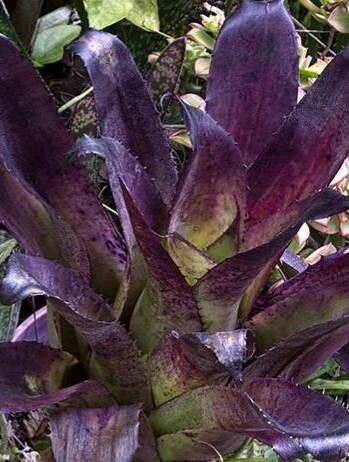
Propagating Hohenbergia leopoldo-horstii: A Guide for Bromeliad Enthusiasts
Introduction
Hohenbergia leopoldo-horstii, a striking member of the Bromeliad family, captivates gardeners with its vibrant foliage and impressive inflorescences. Often called the "Leopard Bromeliad" due to its spotted, often reddish-brown, leaves, it is a highly sought-after plant for its unique beauty and relatively low-maintenance nature. However, its popularity also means that propagation methods are of considerable interest. This article explores various techniques for multiplying Hohenbergia leopoldo-horstii, highlighting their challenges and rewards.
Seed Germination:
Currently, there are no known reliable methods for seed germination propagation of Hohenbergia leopoldo-horstii. While seed production is possible, successful germination rates are extremely low, possibly due to factors such as seed dormancy, specific environmental requirements, or the need for specialized fungal interactions typically found in its natural habitat. Further research is needed to establish viable seed germination techniques for this species.
Cuttings:
Cuttings are not a viable method for propagating Hohenbergia leopoldo-horstii. Unlike some other bromeliads, H. leopoldo-horstii does not readily produce stem cuttings capable of rooting and developing into new plants.
Division:
Division is the most reliable and commonly used method for propagating Hohenbergia leopoldo-horstii. This method involves separating offshoots or "pups" that grow from the base of the mother plant.
Challenges: Mature plants often produce pups somewhat slowly. The pups need to develop a substantial root system before separation to ensure successful establishment. Pulling a pup prematurely can damage both the parent plant and the offshoot.
Practical Tips: Carefully examine the base of the mature plant for pups with their own well-developed root systems. Use a sharp, clean knife or shears to separate the pup, ensuring a clean cut. Plant the pup in a well-draining potting mix similar to that used for the mother plant. Keep the newly separated pup in a humid environment initially to promote rooting.
Rewards: High success rate, relatively straightforward procedure, maintains the genetic characteristics of the mother plant.
Tissue Culture:
Tissue culture offers the potential for large-scale propagation of Hohenbergia leopoldo-horstii. However, this method requires specialized equipment, aseptic techniques, and expertise in plant tissue culture.
Challenges: The process is technically demanding, requiring a controlled laboratory environment and specialized media for successful growth. It also carries a higher initial cost compared to other propagation methods.
Practical Tips: This method is best left to experienced tissue culture specialists. Establishing a sterile environment, selecting the appropriate plant material (e.g., meristematic tissue) for explant, and employing the correct nutrient media are crucial steps.
Rewards: Potential for mass propagation, generation of disease-free plants, and preservation of rare or endangered genotypes.
Conclusion:
Propagating Hohenbergia leopoldo-horstii presents specific challenges. Division remains the most achievable method for the average home cultivator, although patience is key. While seed germination and cuttings are currently impractical, and tissue culture requires specialized expertise, the beauty and resilience of this bromeliad make the effort worthwhile. Successfully propagating H. leopoldo-horstii, whether through division or using advanced tissue culture techniques, provides a unique sense of accomplishment, underscoring the rewarding journey of cultivating these exceptional plants. Don’t be discouraged by setbacks – persistence and careful observation will greatly enhance your chances of success. Embrace the learning experience, and enjoy the fruits (or rather, the striking foliage) of your labor.