
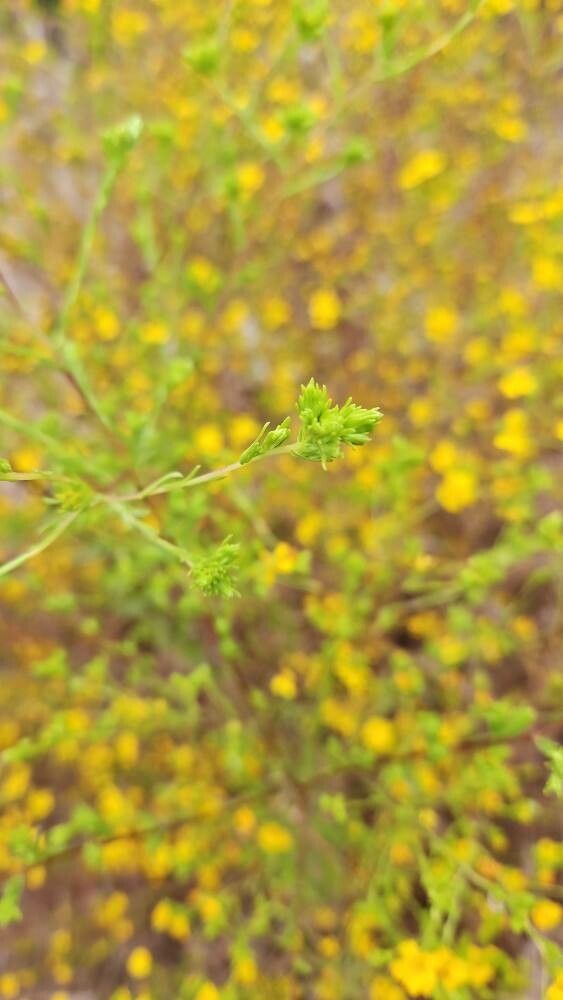
Spreading Sunshine: How to Grow More Holocarpha virgata
The vibrant yellow blooms of Holocarpha virgata, affectionately known as the Yellowflower Tarweed, are a cheerful sight across California’s grasslands and open spaces. This tough and adaptable wildflower isn’t just a treat for the eyes; it plays a vital role in the ecosystem, attracting pollinators and providing food for birds. Want to invite this golden beauty into your garden? Here’s your complete guide to propagating Holocarpha virgata.
Understanding the Basics
Before we delve into the “how-to,” let’s understand what makes this plant tick. Holocarpha virgata is an annual plant, meaning its lifecycle completes within one growing season. It thrives in full sun and well-drained soil, tolerant of drought conditions and the natural ebb and flow of California’s climate.
Two Paths to Propagation:
There are two primary ways to propagate Holocarpha virgata:
-
Seed Collection and Sowing:
- Timing is Everything: The key to successful seed propagation is collecting mature seeds. Look for the characteristic tarweed seed heads to turn brown and dry out in late summer or early fall.
- Gentle Collection: Carefully snip the seed heads, placing them in a paper bag to collect any loose seeds.
- Storage Savvy: Store the collected seeds in a cool, dry place until you’re ready to sow.
- Sowing Season: The ideal time to sow your seeds is after the first rains of fall, mimicking their natural cycle.
- Simple Sowing: Scatter the seeds directly onto the soil surface, gently pressing them in but avoiding burying them too deep.
-
Division (Less Common, but Possible):
- When to Divide: While not as common, division can be done in early spring when the plants are small.
- Carefully Separate: Gently unearth the clump, taking care not to damage the delicate roots.
- Replant with Space: Divide the clump into smaller sections, ensuring each has a good root system. Replant immediately, leaving adequate space between each plant.
Tips for Success:
- Mimic Nature: Holocarpha virgata is adapted to our climate, so avoid overwatering. Once established, these beauties are relatively drought-tolerant.
- Location, Location, Location: Choose a sunny spot with well-drained soil to ensure happy and healthy plants.
- Wildlife Welcome: Don’t be surprised if your Holocarpha virgata attracts beneficial insects and birds to your garden – consider it a sign of success!
Beyond the Garden:
Propagating Holocarpha virgata isn’t just about adding a splash of color to your garden; it’s about playing a part in preserving biodiversity. By cultivating this native plant, you’re contributing to a healthier ecosystem for pollinators and other wildlife. So, grab some seeds, get your hands dirty, and spread the sunshine with this easy-to-grow California native!