
Propagating the Mysterious Homalomena occulta: A Gardener’s Guide
Introduction:
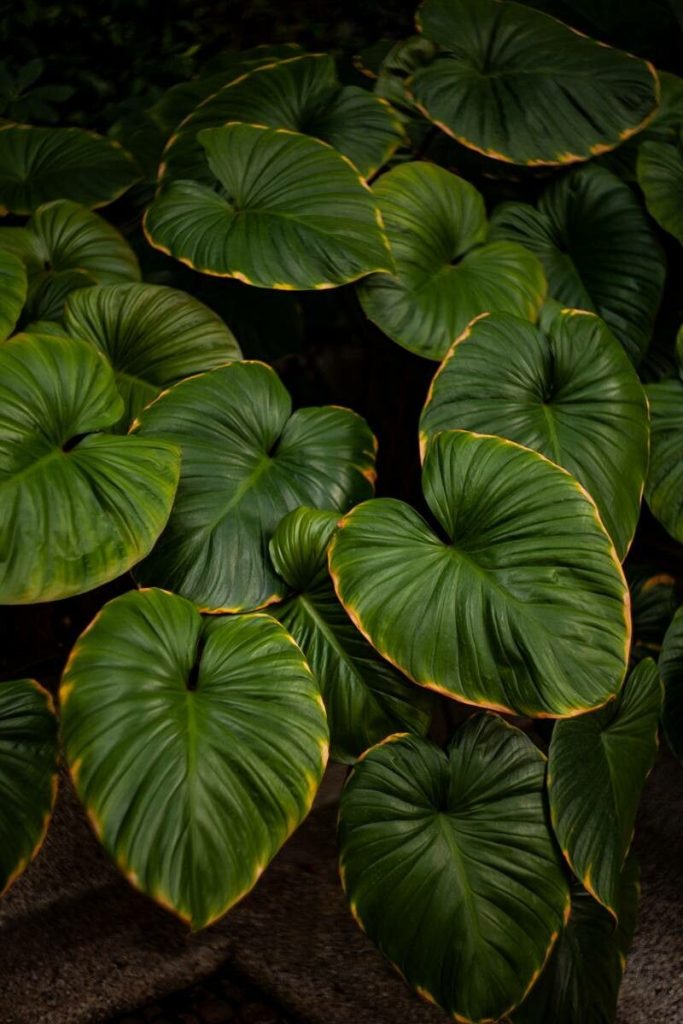
Homalomena occulta, also known as the Shadowleaf Homalomena, is a captivating tropical plant prized for its striking, dark, almost black foliage and the relative ease of its indoor cultivation. Its popularity amongst houseplant enthusiasts has surged in recent years, driven by its low-light tolerance and unique aesthetic appeal. However, while relatively easy to maintain, propagating Homalomena occulta presents some challenges, making successful propagation a rewarding achievement. This article explores various propagation methods, outlining their viability, challenges, and rewards.
Seed Germination:
Currently, there are no known reliable methods for seed germination propagation of Homalomena occulta. While the plant does produce seeds, their viability and germination rates are extremely low, making this method impractical for most gardeners. Further research into specific seed requirements may be necessary to unlock this propagation pathway.
Cuttings:
- Challenges: Rooting Homalomena occulta from cuttings can be slow and inconsistent. The success rate often depends on factors like the age and health of the parent plant, the type of cutting taken (stem or leaf), and the environmental conditions provided.
- Practical Tips: Stem cuttings are generally preferred. Take 4-6 inch cuttings from healthy, non-flowering stems, removing lower leaves to prevent rot. Dip the cut ends in rooting hormone before planting in a well-draining propagation mix (e.g., perlite and peat moss). Maintain consistently high humidity (e.g., using a propagation dome or plastic bag) and warm temperatures (70-75°F). Bottom heat can also improve rooting success.
- Rewards: Cuttings offer a relatively straightforward method for increasing the number of plants, producing clones that are genetically identical to the parent plant. This ensures the desirable characteristics of the mother plant are preserved.
Division:
- Challenges: Homalomena occulta does not naturally produce numerous rhizomes like some other aroids. Division is therefore only viable when the plant is quite mature and has developed a sufficiently large root system with multiple growing points. Improper division can severely damage the parent plant.
- Practical Tips: Divide the plant only when it’s actively growing, preferably in spring or early summer. Gently remove the plant from its pot, carefully separating the root ball into sections, ensuring each division has its own healthy roots and multiple leaves. Repot each division in fresh, well-draining potting mix.
- Rewards: Division is a relatively quick method for increasing plant numbers, particularly useful for large, established plants. The resulting plants will be genetically identical to the parent plant.
Tissue Culture:
- Challenges: Tissue culture requires specialized equipment, sterile conditions, and a considerable amount of technical expertise. It is generally not a practical method for home gardeners. Developing the appropriate medium and protocols for Homalomena occulta would require significant research and experimentation.
- Practical Tips: This method is best left to professional laboratories or experienced plant tissue culture specialists.
- Rewards: Tissue culture offers the potential for rapid and large-scale propagation of genetically uniform plants, ideal for commercial production or conservation efforts.
Conclusion:
Propagating Homalomena occulta presents various challenges depending on the method chosen. While seed germination is currently unreliable, cuttings and division offer viable options, albeit with varying degrees of success. Tissue culture remains a specialized technique best suited to professional settings. The rewards, however – whether it’s the satisfaction of successfully rooting a cutting, the joy of dividing a mature plant, or the potential for widespread propagation – make the effort worthwhile. The unique beauty of Homalomena occulta and the knowledge gained from mastering its propagation make it a highly rewarding plant to cultivate. Don’t be discouraged by initial setbacks; persistence and attention to detail are key to success in propagating this enigmatic beauty.