
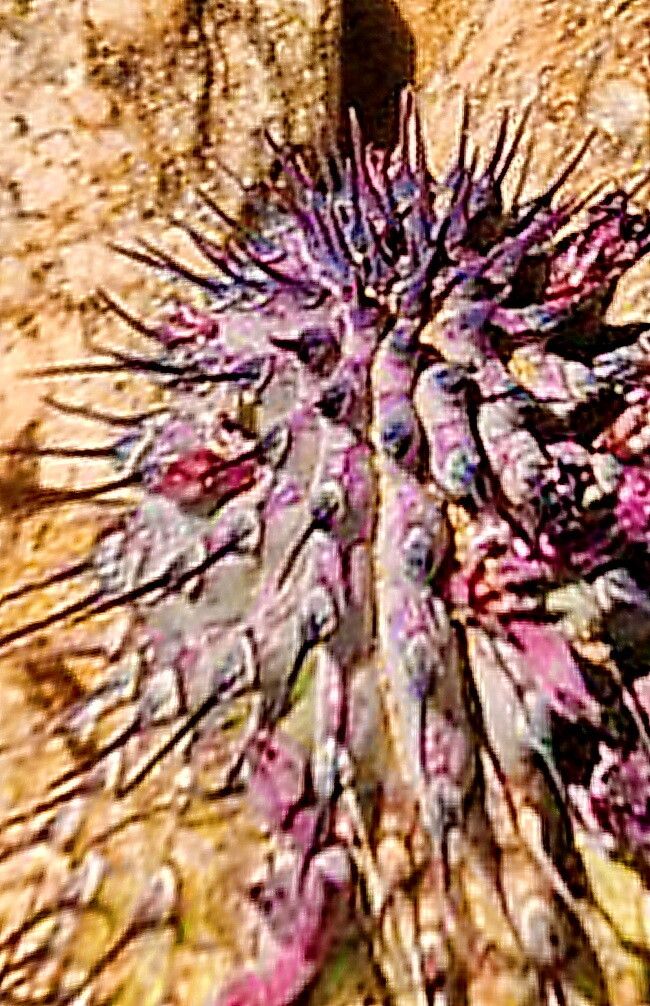
Taming the Desert Jewel: A Guide to Propagating Hoodia officinalis
The Hoodia officinalis, fondly nicknamed the “Bushman’s Hat” or “Queen of the Namib,” isn’t your average houseplant. Hailing from the unforgiving deserts of Southern Africa, this intriguing succulent captivates with its unique, cactus-like appearance and fascinating history as an appetite suppressant. While notoriously difficult to propagate, successfully raising your own Hoodia from seed or cuttings offers a rewarding challenge for dedicated plant enthusiasts. Let’s delve into the techniques and secrets that will increase your chances of cultivating this desert treasure.
Propagating from Seed: A Test of Patience
Growing Hoodia officinalis from seed is considered the most reliable method, albeit a slow and meticulous process. Here’s what you need to know:
- Sourcing Seeds: Acquiring viable seeds is crucial. Opt for reputable online vendors specializing in rare succulents or cacti. Be wary of suspiciously cheap offers as they may not be true Hoodia officinalis.
- Sowing the Seeds: Due to their slow growth, start seeds indoors in late winter or early spring. Use a well-draining seed starting mix combined with coarse sand or perlite (50/50 mix) to mimic the plant’s natural environment. Scatter seeds sparsely on the surface, lightly pressing them in, and mist with water.
- Providing the Right Conditions: Hoodia seeds require light to germinate, so avoid burying them deep. Maintain a warm temperature between 70-80°F (21-27°C). A seedling heat mat can be helpful. Cover the seed tray with a clear plastic wrap to ensure consistent moisture, remembering to air it out regularly to prevent fungal growth.
- Germination and Beyond: Expect germination to take anywhere from a few weeks to a couple of months. Patience is key! Once seedlings emerge, gradually acclimate them to slightly drier conditions. Thin out weaker seedlings to allow stronger ones to thrive. When seedlings have a few sets of true leaves, they can be carefully transplanted into individual pots.
Propagating from Cuttings: A Faster, Yet Trickier Route
While propagating Hoodia from cuttings offers faster results, it’s generally considered less reliable and requires expertise. Here’s a breakdown:
- Taking the Cutting: Choose a healthy stem, at least 3-4 inches long. Make a clean cut using a sterilized sharp knife or pruning shears. Allow the cut end to callus over for several days to a week before proceeding.
- Preparing for Rooting: Prepare a pot with the same well-draining soil mix recommended for seedlings. Dip the calloused end of the cutting in rooting hormone (optional but recommended). Make a small indentation in the soil and gently insert the cutting, ensuring it stands upright.
- Creating the Right Environment: Maintain a warm environment and keep the soil slightly moist but not waterlogged. A humidity dome or covering the pot with a clear plastic bag can help retain moisture.
- Signs of Success: Rooting can take several weeks. Avoid disturbing the cutting to check for roots as this can damage them. Look for signs of new growth as an indication that rooting has been successful.
Essential Tips for Success
- Mimicking the Natural Habitat: Hoodias thrive in bright, indirect light and well-draining soil. Avoid overwatering, as these succulents are highly susceptible to root rot.
- Fertilizing Sparingly: Use a diluted, balanced fertilizer only during the growing season (spring and summer) to avoid encouraging leggy growth.
- Be Patient and Persistent: Propagating Hoodia officinalis is a test of patience and dedication. Don’t be disheartened by initial setbacks. With consistent care and the right environment, you can successfully propagate this remarkable plant and enjoy its unique beauty for years to come.