
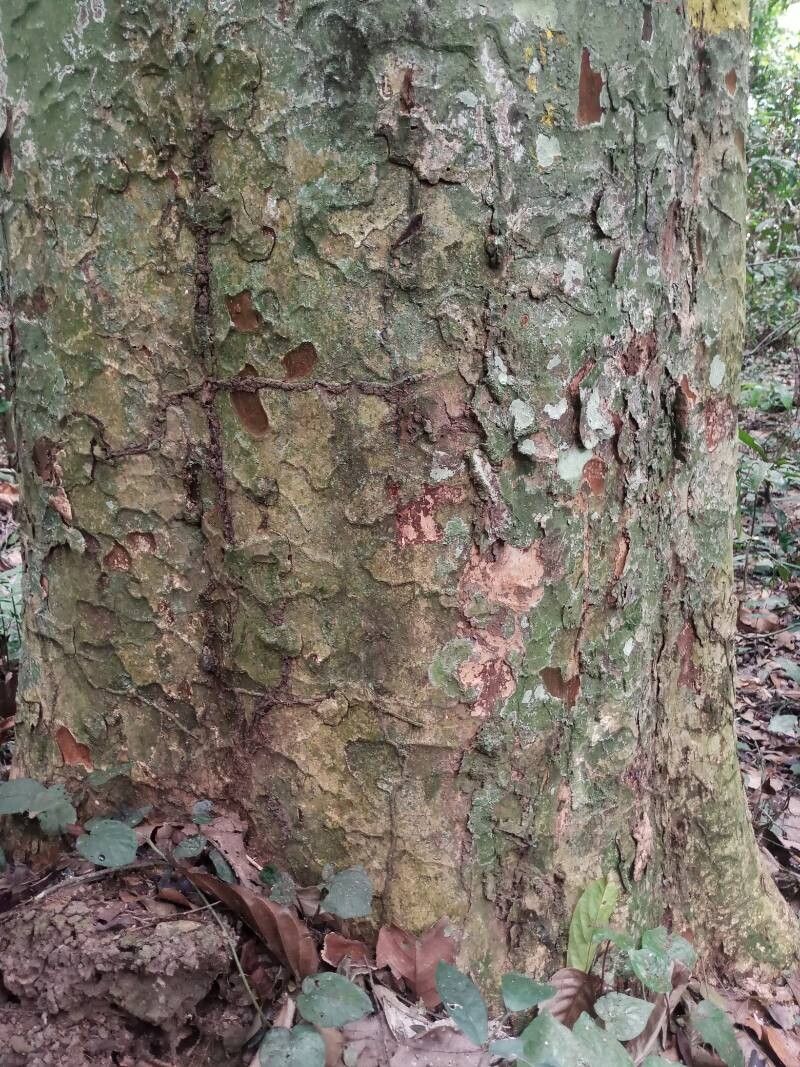
Unlocking the Secrets of Staudtia kamerunensis: A Guide to Propagation
Staudtia kamerunensis, also known as the Cameroon walnut, is a majestic tree native to the tropical rainforests of Central Africa. Prized for its beautiful wood and potential medicinal properties, this species has garnered interest beyond its native habitat. While cultivating Staudtia kamerunensis requires patience and dedication, understanding its propagation methods can pave the way for successful growth.
Challenges and Rewards
Propagating Staudtia kamerunensis can be complex due to limitations in research and the specific conditions it requires. Seed germination rates are often low, and cuttings can be challenging to root. However, the rewards are significant. Successfully propagating this species can:
- Contribute to conservation: By learning to cultivate Staudtia kamerunensis, we can help protect it from deforestation and habitat loss.
- Support local communities: Growing this tree can provide a sustainable source of timber and potentially valuable medicinal resources.
- Add an exotic touch to your collection: For dedicated plant enthusiasts, the Cameroon walnut is a unique and rewarding addition to any collection.
Propagation Methods
- Seed Collection: Source fresh seeds from reputable suppliers specializing in exotic species.
- Pre-treatment: Soaking the seeds in warm water for 24 hours before sowing can help soften the tough outer shell and encourage germination.
- Sowing: Plant seeds in a well-draining seed-starting mix, burying them at a depth twice the size of the seed.
- Conditions: Provide warmth (around 25-28°C), high humidity, and indirect sunlight.
- Patience: Germination can be slow and sporadic, potentially taking several weeks or even months.
2. Vegetative Propagation
- Cuttings: While challenging, cuttings can be taken from semi-hardwood stems. The use of rooting hormones and controlled environments with bottom heat and high humidity may be beneficial.
- Air Layering: This method involves wounding a branch and encouraging root formation before separating it from the parent plant. Air layering is a more advanced technique but can be successful with Staudtia kamerunensis.
Key Factors for Success
- Soil: A well-draining, slightly acidic soil mix rich in organic matter is crucial.
- Watering: Maintain consistent moisture, avoiding both waterlogging and complete drying out of the soil.
- Light: Young plants prefer dappled light, gradually introducing them to more sun as they mature.
- Fertilizer: Use a balanced fertilizer diluted to half strength during the growing season to provide essential nutrients.
- Pest and Disease Control: Monitor plants for common pests and diseases and address any issues promptly.
Patience is Key
Propagating Staudtia kamerunensis requires patience and careful attention to detail. It is essential to research thoroughly and replicate its natural growing conditions as closely as possible. With dedication and the right techniques, nurturing this magnificent tree from seed or cutting is a rewarding endeavor for dedicated plant enthusiasts and conservationists alike.