
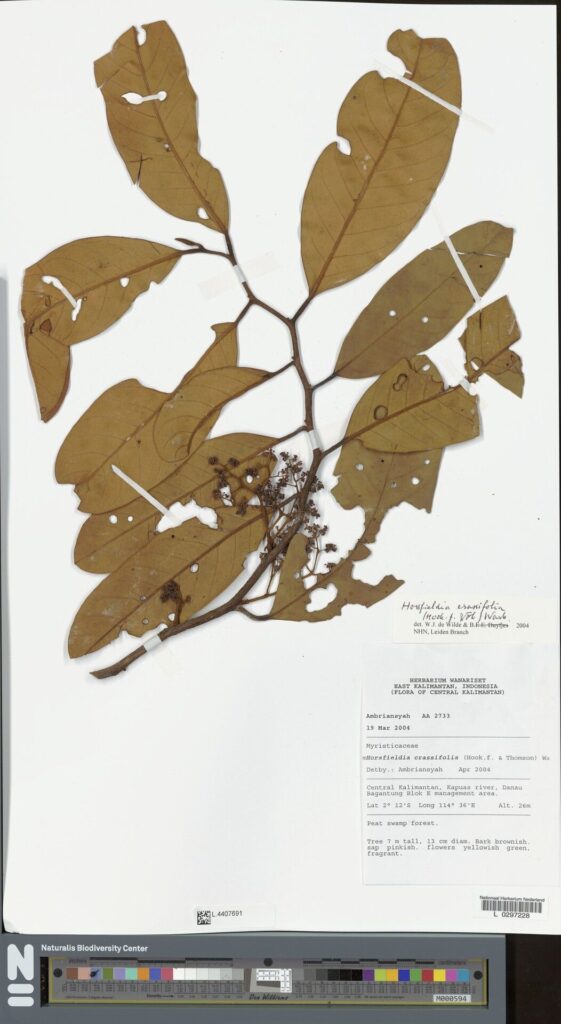
Unlocking the Secrets to Propagating Horsfieldia crassifolia: A Guide for Plant Enthusiasts
Horsfieldia crassifolia, often known by its common names like “Wild Nutmeg” or “False Nutmeg,” is a fascinating and beautiful evergreen tree with a captivating history. Whether you’re an experienced gardener or just starting your plant journey, the desire to propagate this unique species might have sparked within you.
But how do you successfully grow new Horsfieldia crassifolia plants from a parent plant? This blog post will unravel the secrets behind its propagation techniques, guiding you through the process with clear instructions.
A Deeper Look at Horsfieldia crassifolia:
This tropical tree, native to Southeast Asia, boasts glossy dark green leaves, attractive reddish-brown bark, and fragrant, aromatic flowers. It’s most known for its fruits, which resemble nutmegs in appearance and are used in traditional medicine and cuisine. However, propagating Horsfieldia crassifolia isn’t as simple as planting a seed.
The Art of Propagation: Embracing Different Methods
The two main approaches to propagating Horsfieldia crassifolia are seed propagation and cutting propagation.
1. Seed Propagation: Patience and Precision
- Gathering Seeds: Collect ripe seeds directly from the tree. These seeds are encased in a fleshy fruit, and you’ll need to extract them carefully.
- Pre-Treatment: The seeds require a period of scarification, which helps to break down the hard seed coat and stimulate germination. This can be achieved by soaking the seeds in warm water for 24 hours or by gently scratching the seed coat.
- Sowing: Use a well-draining potting mix and sow the pre-treated seeds at a depth of about half an inch. Keep the soil moist but not waterlogged.
- Germination: The seeds will take several weeks to germinate, and some may take several months. Patience is key!
- Growth: Once seedlings emerge, provide them with ample sunlight and water as needed. Regular fertilization will help them thrive.
2. Cutting Propagation: A Faster Route
- Selecting Cuttings: Select healthy, semi-hardwood cuttings from the terminal ends of branches during the late spring or early summer. Make sure each cutting has 3-4 nodes (leaf joints).
- Preparation: Dip the base of the cutting in a rooting hormone to encourage root development.
- Planting: Plant the cuttings in a well-draining potting mix, ensuring the nodes are buried in the soil. Cover the planting pot with a transparent plastic bag or container to create a humid environment.
- Care: Keep the cuttings in a bright, warm location but avoid direct sunlight. Mist the cuttings regularly to maintain moisture.
- Rooting: The cuttings will take several weeks to root, but you’ll notice signs of growth when new leaves emerge. Once the roots are established, transfer the plants to individual pots.
Pro Tips for Success:
- Maintain a humid environment: Horsfieldia crassifolia thrives in high humidity, so ensure the growing medium is consistently moist.
- Provide ample sunlight: The plant prefers bright, indirect light. However, avoid exposing it to intense direct sunlight, which can scorch its leaves.
- Use proper soil mix: A well-draining potting mix like a sandy loam or a mixture of peat moss, perlite, and vermiculite will work well.
- Fertilize regularly: Feed your plant with a balanced fertilizer during the active growing season (spring and summer).
In Conclusion:
Cultivating Horsfieldia crassifolia from seed or cuttings is a rewarding experience that allows you to bring this captivating tree into your home or garden. While it requires a little patience and the right care, the results are well worth the effort. Whether you opt for the slow and steady approach of seed propagation or the faster method of cuttings, this guide will help you successfully propagate your very own Horsfieldia crassifolia! Remember to be diligent in your care, and soon you’ll be enjoying the beauty and fragrance of this remarkable plant.