
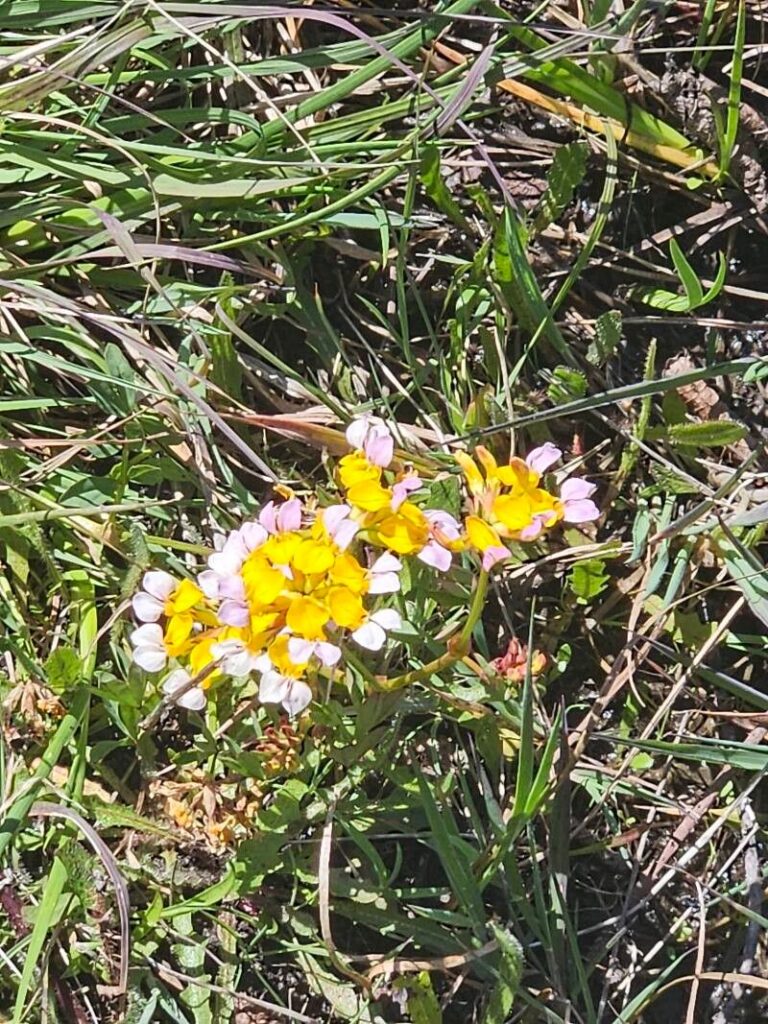
From Seed to Success: Cultivating the Graceful Beauty of Hosackia gracilis
The Hosackia gracilis, often known as the Slender Hosackia, holds a captivating charm that has caught the eye of many plant enthusiasts. This striking member of the legume family, native to California, offers a vibrant display of yellow flowers throughout the summer. But beyond its beauty lies an intriguing element – propagation.
For those wishing to share this enchanting plant or expand their own collection, the journey begins with understanding the various methods of propagation. Let’s dive into the world of Hosackia gracilis and explore how you can bring these delightful wildflowers to life.
From Seed to Sprout:
Starting with seeds offers an accessible and rewarding experience. The process begins with collecting ripe seed pods from established Hosackia gracilis plants. These pods usually mature in late summer or early fall. Once harvested, allow the pods to dry completely, then carefully extract the seeds.
Success with seed propagation relies on proper timing and conditions. Sow the seeds in a well-draining seed starting mix during the fall or early spring. A cool and moist environment will foster germination. Choose a location that receives ample sunlight, as these plants thrive in sunny conditions. It’s important to note that germination can be inconsistent and may take several weeks to a few months.
The Power of Cuttings:
For those eager to enjoy the beauty of Hosackia gracilis quicker, propagation through cuttings offers a more direct approach. This method utilizes stem cuttings taken from healthy, established plants. Select non-flowering stems, ideally with young, tender growth. Cuttings should be approximately 4-6 inches long.
To promote root development, dip the cut end of the stem in a rooting hormone solution. Then, plant the cuttings in a well-draining potting mix, ensuring that the lower leaves are submerged in the soil. Keep the cuttings consistently moist and shielded from direct sunlight in a warm, well-ventilated area. With proper care, roots should start to develop within a few weeks.
Division: Bringing New Life to Established Plants
Hosackia gracilis can also be propagated through division, a technique best suited for established plants that have developed a strong root system. This method involves carefully separating the plant into multiple individual sections, each with its own roots.
Choose a time when the plant is dormant, ideally late fall or early spring. Dig up the plant and gently separate the roots, ensuring that each division has a healthy root ball. Replant the divisions in well-prepared soil and water generously.
Cultivating Success: A Guide to Caring for Hosackia gracilis
No matter the chosen propagation method, success hinges on providing the ideal conditions for this graceful plant to thrive.
- Sunlight: Hosackia gracilis flourishes in full sun locations. Choose a spot that receives at least 6 hours of sunlight daily.
- Soil: Well-draining soil is essential for this plant. Avoid overly compacted or clay-rich soil. A mixture of sandy loam with good drainage will be optimal.
- Watering: Provide regular watering, especially during the establishment phase after propagation. Allow the soil to dry slightly between watering, as overwatering can lead to root rot.
- Fertilizer: Light fertilization with a balanced fertilizer can be beneficial, especially during the active growing season.
- Pruning: Regular pruning helps to maintain the shape and control the spread of Hosackia gracilis. Prune after flowering to encourage bushier growth.
Conclusion:
Growing Hosackia gracilis is a rewarding experience that brings vibrant beauty to your garden. With the right approach to propagation and care, you can enjoy the graceful blooms of this native California wildflower year after year. Whether you choose seeds, cuttings, or division, the journey from propagation to flourishing plant is a testament to the resilience and beauty of nature.