
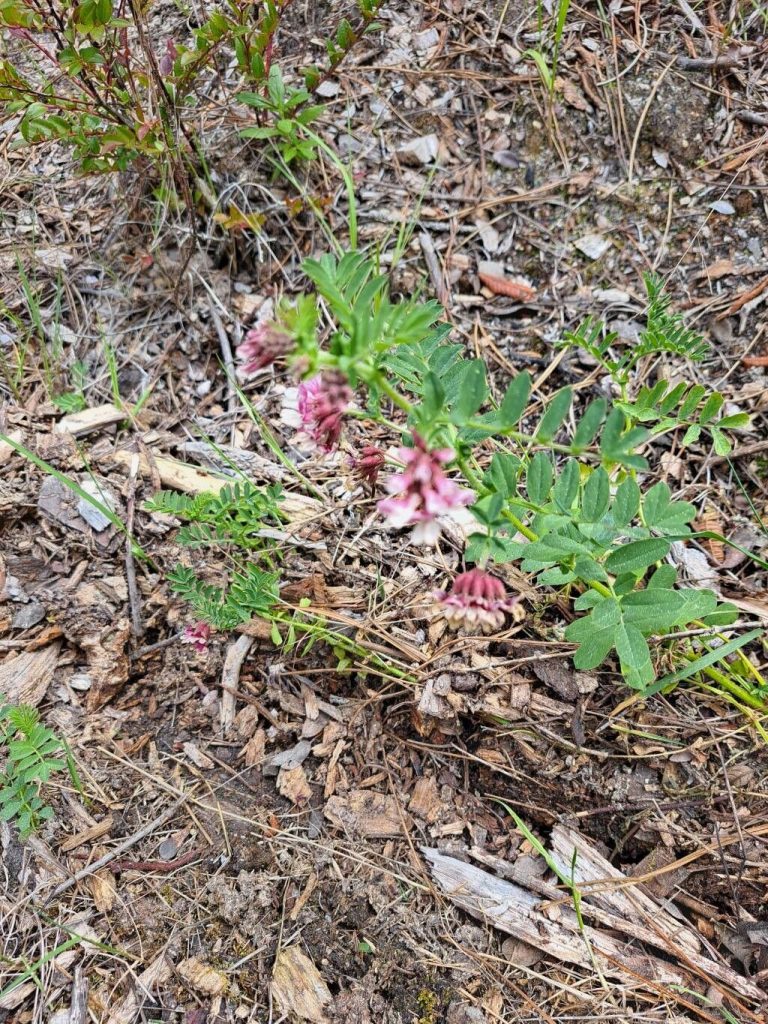
Propagating the Tideland Bird’s Foot Trefoil (Hosackia stipularis): A Gardener’s Guide
Introduction:
Hosackia stipularis, commonly known as Tideland Bird’s Foot Trefoil, is a charming, low-growing legume native to coastal areas of California. Its delicate yellow flowers, reminiscent of miniature sweet peas, and its tolerance to drought and salty conditions make it a desirable addition to coastal gardens and landscaping projects requiring resilient, low-maintenance plants. Its popularity among gardeners is steadily increasing due to its unique beauty and ecological value as a food source for native pollinators. However, propagating this species can present some challenges, making successful cultivation a rewarding endeavor.
Seed Germination:
Currently, there are no known reliable methods for seed germination propagation of Hosackia stipularis. While seeds may be produced, their viability and germination rate are notoriously low. Significant research would be required to identify successful germination protocols, possibly involving specific pre-treatment techniques like scarification or stratification. The challenges presented by seed dormancy and potentially low seed viability make this method impractical for most gardeners.
Cuttings:
Cuttings represent a more promising method for propagating Hosackia stipularis.
Challenges: Success with cuttings depends heavily on timing and technique. Taking cuttings from actively growing shoots during the spring or early summer is crucial. The use of rooting hormone is highly recommended.
Practical Tips: Take semi-hardwood cuttings, about 4-6 inches long, with several nodes. Remove lower leaves to prevent rotting and dip the cut end in a rooting hormone solution. Plant the cuttings in a well-draining propagation mix, keeping the medium consistently moist but not waterlogged. Cover with a humidity dome or plastic bag to maintain high humidity. Regular misting can also improve success rates.
Rewards: Cuttings offer a relatively straightforward way to produce genetically identical clones of the mother plant, ensuring you preserve desirable traits. This method is suitable for smaller-scale propagation and for maintaining specific cultivars.
Division:
Division is another feasible method, particularly for established plants.
Challenges: Hosackia stipularis often forms dense mats, but overly aggressive division can damage the root system, resulting in plant loss. Proper timing is crucial, ideally in spring or fall when the plant is actively growing or transitioning into a resting stage.
Practical Tips: Carefully dig up the root ball, ensuring minimal disruption. Divide the plant into smaller sections, each with several healthy stems and roots. Re-plant the divisions ensuring they have adequate spacing and providing consistent moisture until they are established.
Rewards: Division allows for relatively quick multiplication of existing plants without necessitating the time and effort of seed germination or cuttings.
Tissue Culture:
While not a typical method for home gardeners, tissue culture offers the potential for large-scale propagation of Hosackia stipularis.
Challenges: This is a technically demanding method requiring specialized equipment, sterile conditions, and expertise in plant tissue culture techniques. Developing a successful protocol for Hosackia stipularis would require considerable experimentation.
Practical Tips: This method is best left to professionals or research labs with the necessary infrastructure and skills.
Rewards: Tissue culture provides the means for a large number of genetically identical plants to be produced quickly and efficiently, useful in conservation efforts or large-scale landscaping projects.
Conclusion:
Propagating Hosackia stipularis presents unique challenges, with seed germination proving largely unreliable. While cuttings and division offer achievable methods for the home gardener, careful attention to technique and timing is critical. Tissue culture represents a potential avenue for large-scale propagation, but its complexity renders it unsuitable for most.
The satisfaction of successfully cultivating this beautiful and ecologically significant plant, despite the hurdles, is deeply rewarding. The perseverance required to overcome these challenges adds to the immense joy of witnessing the growth and flourishing of your own Tideland Bird’s Foot Trefoil. We encourage aspiring propagators to begin with cuttings and division, practicing patience and meticulous care along the way. Your efforts will contribute not only to the beauty of your garden but also to the conservation of this remarkable native species.