
Propagating Hosta lancifolia: A Gardener’s Guide
Introduction:
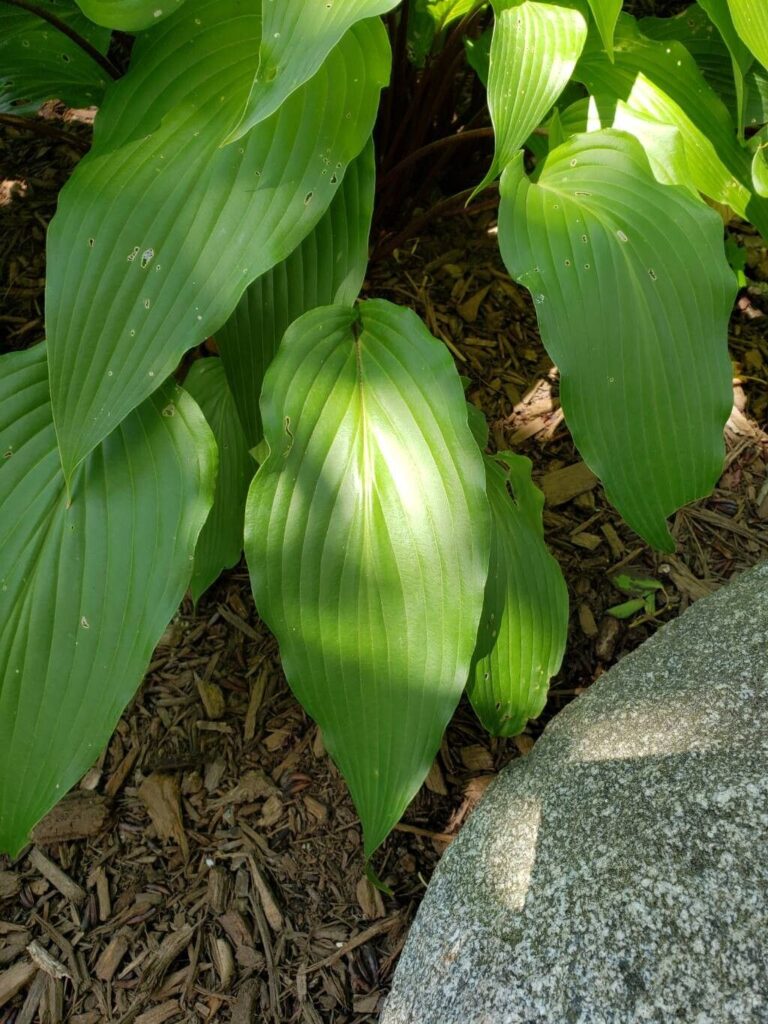
Hosta lancifolia, also known as the Lance-leaved Hosta, is a prized ornamental plant cherished for its elegant, lance-shaped leaves and often-fragrant flowers. Its relatively compact size and adaptability make it a popular choice for shade gardens, borders, and containers. Unlike some hostas boasting variegated foliage, H. lancifolia typically offers a consistent, vibrant green hue. While its propagation shares some similarities with other Hosta species, certain aspects present unique challenges and rewards. This guide explores various methods, highlighting their efficacy and practical considerations.
Seed Germination:
Currently, there are no known reliable methods for seed germination propagation of Hosta lancifolia. While Hosta plants do produce seeds, the germination rate is notoriously low, and seedlings often exhibit significant variation, potentially losing desirable traits of the parent plant. Furthermore, many cultivated Hosta lancifolia varieties are sterile or produce little viable seed. Therefore, relying on seed germination for propagation is not a practical approach.
Cuttings:
Propagation via cuttings is also generally ineffective for Hosta lancifolia. Hostas do not readily root from stem cuttings. While leaf cuttings might occasionally produce plantlets, this method is unpredictable and not often successful enough to be a reliable propagation technique.
Division:
Division is the most common and reliable method for propagating Hosta lancifolia. This involves carefully separating the mature clump into smaller sections, each containing its own roots and actively growing shoots.
Challenges: The main challenge lies in ensuring each division has a sufficient root system to support its growth. Poorly divided sections may fail to establish. Divisions should also be made during the plant’s dormant period (spring or autumn) for best results.
Tips: Use a sharp, clean shovel or knife to sever the rhizomes connecting individual crowns. Make sure each division includes several healthy leaves and well-developed roots. Plant the divisions immediately in well-prepared soil, ensuring proper spacing and watering.
Rewards: Division offers a high success rate, produces genetically identical plants to the parent, and is relatively quick and straightforward, allowing for rapid increase in plant numbers.
Tissue Culture:
Tissue culture is a laboratory-based method that involves growing plantlets from small pieces of plant tissue in a sterile, nutrient-rich medium.
Challenges: Tissue culture requires specialized equipment, a sterile environment, and expertise in aseptic techniques. It can be costly and time-consuming.
Tips: This method is best left to professionals or experienced hobbyists with access to the necessary resources.
Rewards: Tissue culture offers the potential for large-scale propagation and the production of disease-free plants. It’s also the only practical method for preserving rare or difficult-to-propagate varieties.
Conclusion:
Propagating Hosta lancifolia presents a spectrum of challenges and rewards. While seed germination and cuttings produce unreliable results, division remains the most practical and successful method for the home gardener. Tissue culture presents a viable, though resource-intensive, option for larger-scale propagation or specialized applications. The effort required to successfully propagate Hosta lancifolia is rewarded by the enduring beauty of this elegant plant thriving in your garden, a testament to your dedication and horticultural skill. Do not be discouraged by the limitations of certain methods; embrace the successes of division, and appreciate the unique satisfaction derived from nurturing a healthy clump into many flourishing plants. Remember that patience and attention to detail are key to success in plant propagation.