
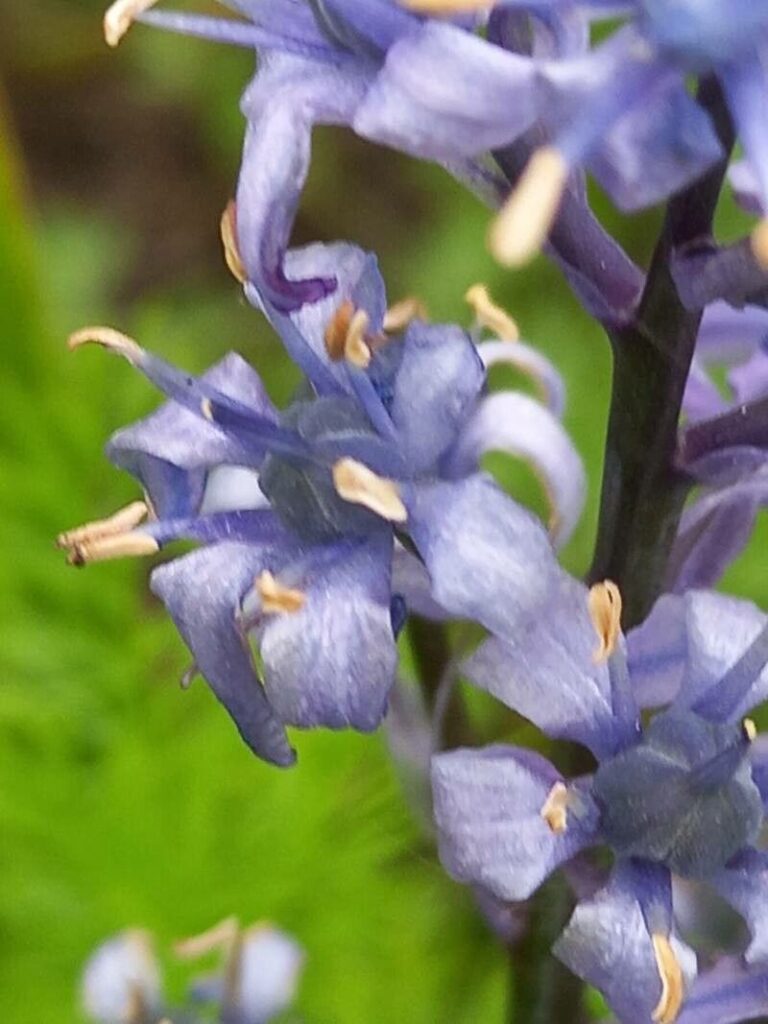
Unveiling the Secrets of Spring Beauty: Propagating Hyacinthoides Cedretorum
The arrival of spring brings with it a vibrant symphony of colors and fragrances. One of the most cherished floral actors in this spectacle is the Hyacinthoides cedretorum, a captivating and graceful wildflower known for its delicate blue blossoms. But did you know that this little beauty is also surprisingly easy to propagate?
This blog post delves into the fascinating world of Hyacinthoides cedretorum propagation, revealing the secrets behind multiplying these enchanting flowers and sharing tips for success.
The Magic of Bulbs:
Hyacinthoides cedretorum, like many other members of the Asparagaceae family, reproduces through bulbs. These underground storage organs are packed with nutrients, allowing the plants to survive harsh winters and burst forth with vibrant blooms in springtime.
Simple Yet Effective Methods:
Propagating Hyacinthoides cedretorum is a simple yet rewarding endeavor. The two most common methods are:
-
Division: This involves carefully separating the bulbs from a mature clump. It’s best to do this after the plant has finished flowering and the leaves have begun to die back, around late summer or early autumn.
- Gentle Excavation: Carefully dig up the plant clump, taking care not to damage the bulbs.
- Bulb Separation: Separate the bulbs with your hands or a clean knife, ensuring each has at least one growth point.
- Replanting: Plant the separated bulbs in a well-drained, sunny location, about 5 cm deep and 10 cm apart.
-
Seed Propagation: While division is faster, you can also propagate Hyacinthoides cedretorum from seed.
- Collecting Seed Pods: Gather the seed pods after the flowers have faded and the seed pods have turned brown.
- Sowing Seeds: Plant the seeds directly in well-prepared soil, about 1-2 cm deep, around late summer or early autumn.
- Patience is Key: Seed propagation takes longer, with seedlings typically appearing in the spring.
Cultivation Tips for Success:
- Soil: Hyacinthoides cedretorum thrives in well-drained, slightly acidic soil.
- Sun Exposure: This plant prefers partial shade, especially in warmer regions.
- Watering: Water regularly during the growing season, allowing the soil to dry out slightly between waterings.
- Fertilizing: Lightly fertilize in spring with a balanced fertilizer to promote healthy growth and blooming.
Beyond the Garden:
Propagating Hyacinthoides cedretorum goes beyond simply increasing the number of these beautiful plants. It’s a chance to share the joy of spring with others, to create a vibrant natural landscape, and to contribute to the conservation of this cherished wildflower.
So, whether you’re a seasoned gardener or just starting out, consider taking on the rewarding task of propagating Hyacinthoides cedretorum. It’s a journey that will bring you closer to nature’s beauty and will leave your garden bursting with delicate blue blooms come springtime.