
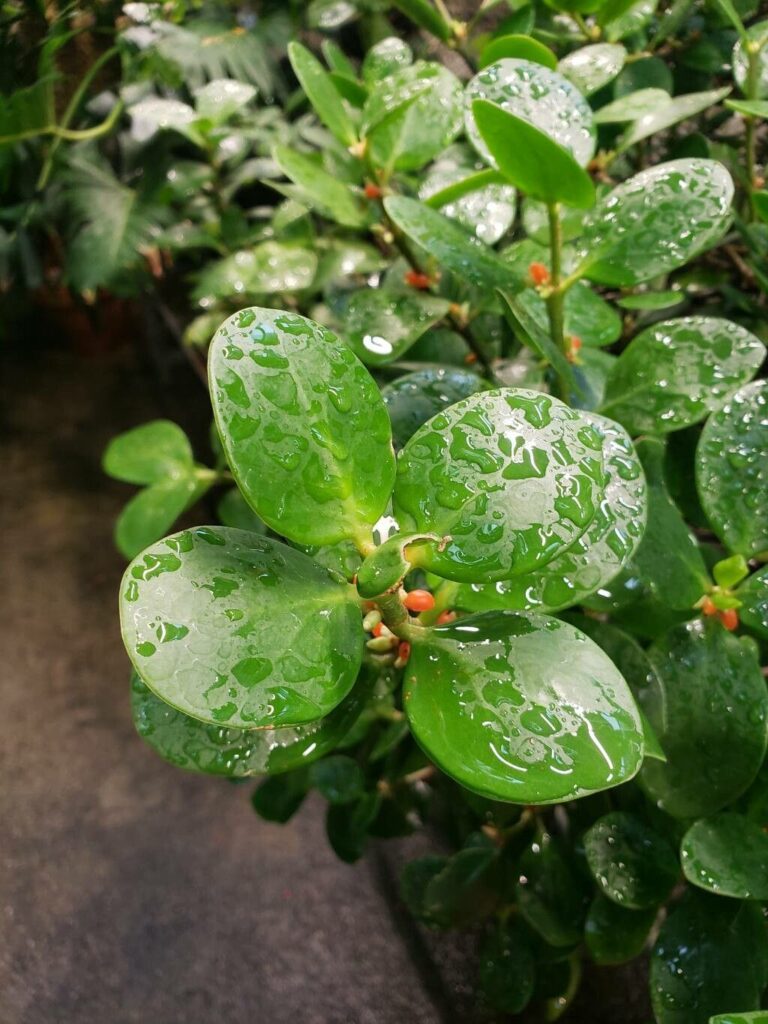
Unlocking the Secrets of the Ant Plant: Propagating Hydnophytum pauper
The Hydnophytum pauper, more affectionately known as the ant plant, is a fascinating specimen that captivates plant enthusiasts with its unique, symbiotic relationship with ants. Native to Southeast Asia, this epiphyte doesn’t just tolerate ants, it actively encourages their presence within its swollen, chambered caudex (that bulbous base!). But what about propagating this curious plant? It’s not as daunting as you might think!
While the idea of encouraging ants in your home might give some pause, the rewards of cultivating Hydnophytum pauper are well worth the slight learning curve. Unlike many house plants, propagation from seed is the most common and successful method. Let’s delve into this intriguing process:
1. Acquiring Seeds:
Sourcing seeds might seem tricky, but specialist online retailers offer a surprising variety. Look for fresh seeds, usually available in small batches.
2. Preparing for Sowing:
- Potting Mix: Ant plants prefer a well-draining, airy mix. A blend of orchid bark, perlite, and peat moss works well.
- Container: Choose a shallow, wide container with drainage holes to mimic their natural epiphytic environment.
- Moisture: Before sowing, moisten the potting mix thoroughly but avoid waterlogging.
3. Sowing the Seeds:
- Surface Sow: Sprinkle the tiny seeds evenly on the surface of the prepared mix.
- Light Pressure: Gently press the seeds onto the surface, ensuring good contact with the medium.
- Humidity is Key: Cover the container with a clear lid or plastic wrap to create a humid mini-greenhouse.
4. Providing the Right Environment:
- Bright Indirect Light: Place your seed tray in a spot with bright, indirect light. Direct sun can scorch the delicate seedlings.
- Consistent Warmth: Aim for a temperature range of 75-85°F (24-29°C). A seedling heat mat can be helpful.
- Maintain Humidity: Mist the surface regularly to keep the environment humid.
5. Patience is a Virtue:
Germination can take anywhere from a few weeks to a couple of months. Once seedlings emerge and have a few true leaves, you can gradually acclimate them to lower humidity levels.
Beyond Seeds: Other Propagation Methods
While less common, other methods like cuttings can be attempted, although success rates are typically lower than with seeds.
- Cuttings: Take stem cuttings from healthy, mature plants during the growing season. Dip the cut end in rooting hormone and plant in a well-draining mix.
Caring for Your Ant Plant Progeny:
As your young ant plants establish themselves, remember:
- Well-draining potting mix and a container with drainage are crucial.
- Water thoroughly when the potting mix dries out, avoiding soggy conditions.
- Bright, indirect light is best.
- Fertilize dilutedly during the growing season.
Propagating Hydnophytum pauper is a journey of patience and observation. But the joy of nurturing these fascinating plants from seed, watching their unique caudexes form, and witnessing their incredible symbiotic relationship with ants makes the effort all the more rewarding. So why not try your hand at unlocking the secrets of the ant plant?