
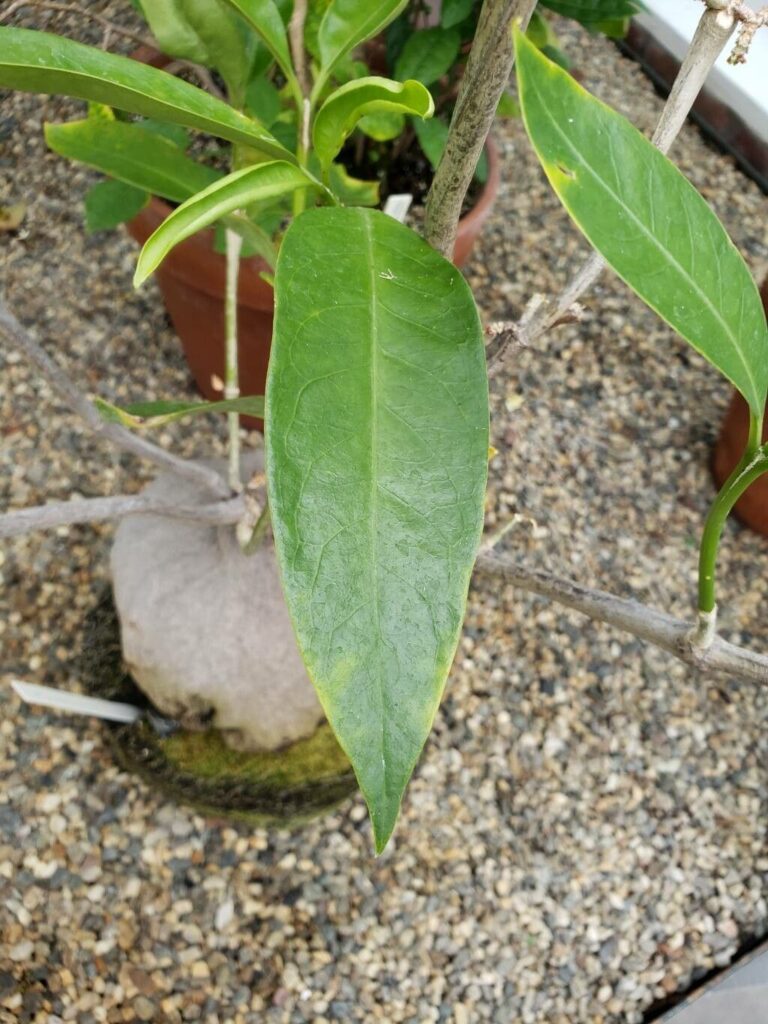
Rooting for the Unusual: Propagating the Ant Plant, Hydnophytum radicans
The world of plants is full of surprises, and the Hydnophytum radicans, commonly known as the ant plant, is one of the most fascinating. Hailing from the tropical rainforests of Southeast Asia, this epiphytic marvel has evolved a unique symbiotic relationship with ants, offering them shelter within its swollen, caudex-like base in exchange for nutrients and protection. But its intriguing features don’t stop there; propagating this unusual plant is an adventure in itself.
Understanding the Ant Plant’s Quirks
Before diving into propagation, it’s crucial to understand the Hydnophytum radicans‘ unique characteristics. Unlike typical plants that rely solely on their roots for water and nutrient absorption, this epiphyte primarily relies on its specialized, chambered caudex. This swollen base acts like a sponge, absorbing moisture and nutrients from the air and the waste products of its ant inhabitants.
Propagation Methods: Seeds vs. Cuttings
While Hydnophytum radicans can be propagated through seeds, it’s a notoriously slow and challenging process. Seeds are often difficult to obtain and require meticulous care to germinate. Therefore, propagation through cuttings is the preferred method for most enthusiasts.
Cuttings: A Step-by-Step Guide
-
Timing is Key: Opt for spring or early summer, when the plant is actively growing, for the best chance of success.
-
Selecting the Cutting: Choose a healthy stem, ideally with a small section of the caudex attached (a “heel” cutting).
-
Preparing the Cutting: Using a sterilized sharp knife or pruning shears, make a clean cut just below a leaf node. Allow the cutting to dry for a few hours to callous, preventing rot.
-
The Rooting Medium: A well-draining, airy mix is crucial. A blend of sphagnum moss, perlite, and orchid bark works well.
-
Potting and Care: Plant the cutting shallowly in the prepared medium, ensuring the cut end is covered. Place the pot in a warm, humid environment, maintaining indirect bright light. Mist regularly to keep the humidity high.
- Patience is a Virtue: Rooting can take several weeks or even months. Be patient and refrain from disturbing the cutting.
Nurturing Your New Ant Plant
Once your cutting shows signs of growth, gradually acclimate it to lower humidity levels. Remember, while Hydnophytum radicans appreciates moisture, overwatering can be detrimental. Water thoroughly when the potting mix is nearly dry.
As your plant matures, you may notice tiny ants taking up residence within its caudex. Don’t be alarmed! This is a natural part of their symbiotic relationship and actually benefits the plant.
A Rewarding Challenge
Propagating Hydnophytum radicans is a rewarding endeavor for those seeking a unique horticultural challenge. While it requires patience and care, successfully nurturing a new plant from a cutting is a testament to your dedication and understanding of this extraordinary plant’s needs. So, why not embark on this adventure and welcome the fascinating world of ant plants into your home?